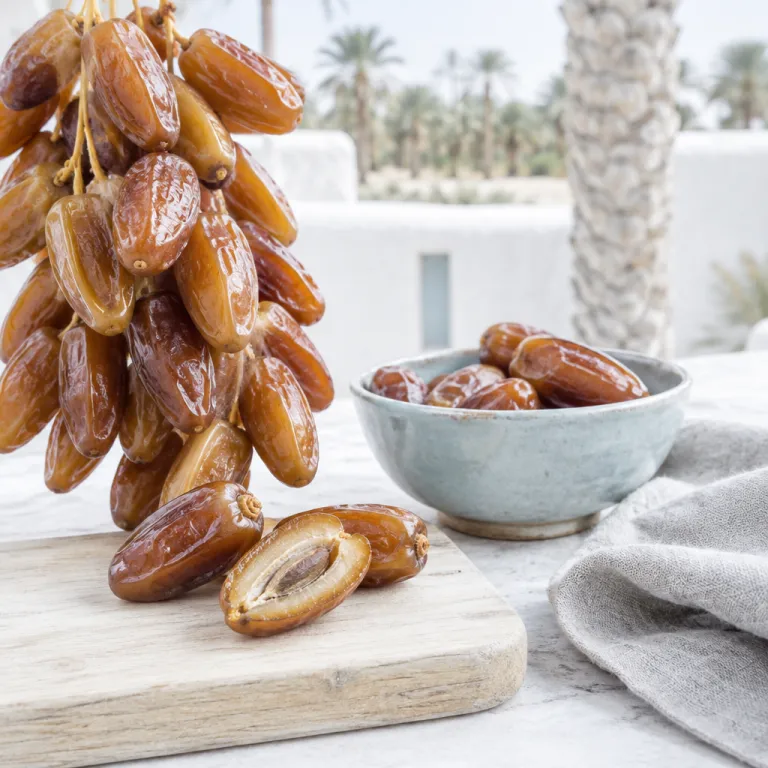
Tozeur Deglet Nour date harvest as a family friendly autumn ritual
The Tozeur Deglet Nour date harvest turns the Djerid oases into a living classroom for curious families. From late October to December, palm groves around Kebili Tozeur and Nefta hum with ladders, woven baskets and the soft thud of dates falling on canvas, giving children a tangible sense of how this fruit shapes Tunisian food culture. Plan your stay in a luxury property that understands family rhythms, with shaded pools for midday heat and concierges who can arrange short, child friendly visits to nearby palm gardens rather than exhausting full day excursions.
Deglet Nour is the benchmark Tunisian date, a translucent, honey toned variety whose semi dry texture and balanced water content make it ideal for both snacking and refined pastry work. Producers in Tunisia Kebili and Tozeur have perfected this category over generations, selecting clusters of dates Deglet and other varieties according to ripeness, size and quality, while keeping an eye on export standards for markets in Europe, Algeria and Libya. When you walk through these groves during the Tozeur Deglet Nour date harvest, you see how each date is graded, how seeds are separated for future palms and how processed dates such as pitted dates or dry dates are prepared alongside dates natural that will be sold fresh in local markets.
For families, the appeal is immediate and sensory, because children can taste nour dates straight from the palm and compare them with other Tunisian dates laid out on simple wooden tables. Many small scale producer families will offer plates of seasonal fruits and vegetables, olives and a drizzle of local olive oil so that young travelers understand that dates are part of a wider oasis food ecosystem rather than a stand alone sweet. Ask your hotel to arrange a guide who can explain the difference between Deglet Nour, softer varieties and the slightly firmer deglet noor style used for longer keeping, and you will leave with a nuanced sense of how this single fruit underpins both everyday cooking and high quality patisserie in southern Tunisia.
From Chott el Jerid to Nefta: mapping a gourmet date trail
Base yourself in Tozeur to feel the full rhythm of the Tozeur Deglet Nour date harvest, then fan out towards the Chott el Jerid salt flats and the quieter religious town of Nefta. Early mornings are best for walking through the palm gardens, when the air is cool, the semi dry fronds still hold a trace of night moisture and workers are already sorting dates by category for local selling dates and for export. Later in the day, you can drive across the shimmering Chott el Jerid, then return to town for a tasting flight of Tunisian Deglet Nour, noor dates and other fruits paired with mint tea or strong coffee.
In Nefta, the Corbeille oasis offers a natural amphitheatre of palms where you can see how water channels feed both date trees and small plots of vegetables, creating a rare green bowl between desert and salt. Here, producers often explain how they manage water content in the soil to keep dates semi dry rather than overly moist, which is crucial for both flavour and shelf life in international markets. Many families also cultivate olives, so it is common to taste local olive oil alongside plates of dry dates, processed dates and even experimental pitted dates stuffed with nuts, giving you a sense of how oasis food culture constantly reinvents itself while staying rooted in tradition.
Back in Tozeur, look for small cooperatives that specialise in high quality Tunisian dates and that clearly label origin, variety and processing method, since this transparency matters if you care about what your children eat. Some of these cooperatives sell both dates natural and more elaborate products such as date syrups or confections, and they often ship to Algeria, Libya and Europe, turning a family tasting into a practical lesson in how a regional food economy works. If your itinerary also includes the coast, you can contrast this desert sweetness with the seafood led meals described in guides to eating along Tunisia's Mediterranean coast, creating a north south culinary journey that older children will remember long after the trip ends.
How luxury hotels weave the Deglet Nour harvest into culinary journeys
Luxury properties in and around Tozeur increasingly treat the Tozeur Deglet Nour date harvest as a seasonal backbone for their culinary programs, rather than a decorative garnish on dessert plates. Chefs design menus where Deglet Nour appears in multiple guises, from finely chopped dates folded into a savoury stuffing for vegetables to semi dry slices caramelised in olive oil and served with grilled lamb, giving parents and children a chance to taste how one ingredient shifts character across a meal. When you book, ask specifically how the kitchen works with local producer families, whether they source Tunisian Deglet Nour directly from Kebili Tozeur groves and how they handle category selection between fresh dates, dry dates and processed dates.
Some high end hotels now offer short workshops where families can learn to pit dates, compare seeds from different varieties and understand why water content matters when turning dates into long keeping pantry staples. Under the guidance of a pastry chef, children might roll pitted dates in sesame, taste the difference between nour Tunisia harvests and imported noor dates from neighbouring Algeria, then help plate a dessert that would not look out of place in a capital city restaurant. These sessions often sit alongside broader culinary journeys in Vatican style programming, as outlined in dedicated guides to culinary journeys in Vatican luxury and premium hotel booking experiences, giving food curious families a framework for planning trips around taste rather than just sightseeing.
For parents who value transparency, the most compelling properties are those that talk openly about how they price and present Tunisian dates, whether they prioritise dates natural over heavily processed sweets and how they support small scale selling dates operations rather than anonymous bulk export. Ask whether the hotel partners with cooperatives in Tunisia Kebili or Nefta, how often chefs visit the groves during the October December peak and whether they adjust menus as the harvest moves from early semi dry clusters to fully dry dates. This level of detail signals a genuine commitment to quality and gives your family the satisfaction of eating food that is both luxurious and ethically grounded.
Planning your autumn oasis stay: practical tips for families
When timing a family trip around the Tozeur Deglet Nour date harvest, think in terms of light, temperature and attention spans rather than just calendar dates. The October December window offers warm days and cooler evenings, but young children will still appreciate properties with shaded courtyards, short walking distances and easy access to pools between excursions. Choose a hotel that can arrange private transfers to palm groves, so you can visit a producer in Kebili Tozeur for an hour or two, taste a few varieties of Tunisian Deglet and then retreat before the desert sun becomes tiring.
Pack for flexibility, because a day might start with a cool sunrise over Chott el Jerid and end with a warm evening tasting plate of dates and other oasis fruits on a rooftop terrace. Light layers, hats and refillable water bottles are essential, as is a small bag for carrying any dates natural or dry dates you buy directly from selling dates stalls or markets. Many families also combine Tozeur with a stay in Tunisia's inland spa regions, using guides to hot springs and cork oak forests to structure a route where children can move from palm shaded oases to forested hills without long, monotonous drives.
As you plan, remember that the Djerid is not just about dates, because oasis life also revolves around vegetables, olives and grains that appear in everyday food from brik to couscous. Encourage children to notice how seeds from dates, olives and other fruits are dried and reused, turning a simple tasting into a conversation about resourcefulness in arid landscapes. By the time you leave, the words Deglet Nour, Tunisian dates and noor dates will mean far more than labels on a supermarket box, and your family will have a concrete sense of how this region turns water, sun and patient labour into one of North Africa's most refined foods.
FAQ
When is the best time to experience the Deglet Nour harvest in Tozeur ?
The Tozeur Deglet Nour date harvest typically runs from late October to December, when the palms carry heavy clusters and workers are active in the groves. Visiting during this October December window lets you see dates being cut, sorted and sometimes sun dried, while still enjoying comfortable daytime temperatures. Families should aim for early mornings in the groves, then retreat to their hotel during the hotter midday hours.
What makes Deglet Nour different from other Tunisian dates ?
Deglet Nour is prized for its semi dry texture, translucent amber colour and balanced water content, which together create a refined sweetness that works in both savoury and sweet dishes. Compared with softer varieties, Deglet Nour holds its shape better, making it ideal for stuffing, slicing and export to distant markets. Producers in Kebili Tozeur and neighbouring regions have refined this variety over generations, which is why Tunisian Deglet Nour is considered a benchmark across North Africa.
Is the Deglet Nour harvest suitable for young children to visit ?
Yes, the harvest can be very family friendly if you plan short, focused visits rather than long days in the sun. Many producers welcome children for brief tastings, where they can try dates natural, see how pitted dates are prepared and learn how seeds are used to grow new palms. Choose a hotel that can arrange private, flexible excursions and always schedule grove visits for early morning or late afternoon.
Can I buy high quality dates directly from producers in Tozeur ?
Travelers can usually buy high quality Tunisian dates directly from cooperatives and small producers around Tozeur and Nefta, especially during the harvest season. These sellers often offer a clear breakdown of category, from fresh semi dry Deglet Nour to fully dry dates and processed dates such as pitted dates or date paste. Buying at the source supports local families and lets you taste a wider variety than you would typically find in export oriented supermarkets.
How can I combine a Deglet Nour focused trip with other Tunisian experiences ?
A practical route for families is to start in Tozeur for the Deglet Nour harvest, then continue to inland spa regions or the Mediterranean coast for contrasting food experiences. You might pair oasis tastings of dates and vegetables with seafood meals in coastal towns, or with slow days in hot spring resorts surrounded by cork oak forests. This mix keeps children engaged and shows how Tunisia's diverse landscapes shape very different but complementary culinary traditions.