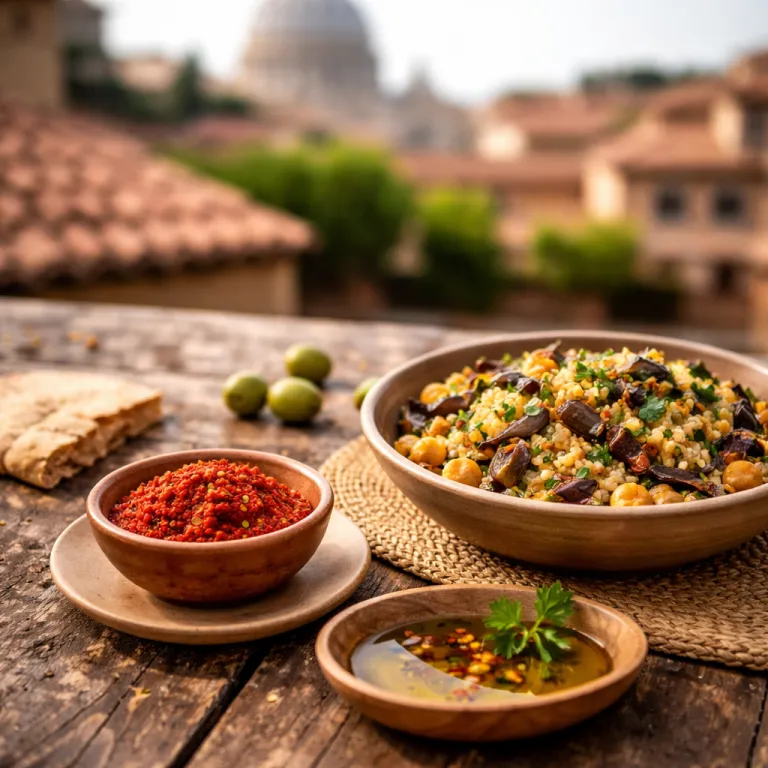
Why plant-based Tunisian cuisine speaks to wellness-focused luxury travelers
Plant-based Tunisian cuisine feels surprisingly aligned with the way premium families now travel. While many Mediterranean neighbors lean heavily on meat, traditional Tunisian cooking in both the north and south has long balanced grains, vegetables and legumes with just enough animal protein to season the food. That quiet equilibrium is exactly what wellness-minded guests seek when they book a luxury stay near the Vatican and still want a plate that tastes of Tunis, not a generic spa salad.
Look closely at everyday food in Tunisia and you see how naturally plant-forward it is. A humble vegetable couscous cooked slowly over vegetable broth, perfumed with olive oil and threaded with chickpeas, carrots and eggplant, offers more depth than many elaborate meat dishes. Families who usually worry about finding vegan food or vegetarian food options on the road suddenly realise that meals in Tunisia were designed to be generous, satisfying and mostly plant-based long before wellness became a marketing term.
For travelers planning several days in Rome and the Vatican, this matters. They may crave Mediterranean food that respects their health goals without turning every lunch into a lecture about vegan options or strict rules about eggs and meat. When a hotel understands how to translate Tunisian culinary traditions into refined plates, it can serve a chakchouka with tomatoes, onions and peppers that feels both authentically Tunisian and perfectly at home in a marble-clad dining room overlooking Saint Peter’s dome.
Harissa sits at the center of this story. In late 2022, UNESCO added Tunisian harissa to its Representative List of the Intangible Cultural Heritage of Humanity, confirming what Tunisian cooks and local farmers already knew: this spicy paste is less about raw heat and more about layering flavor over vegetables and grains. When a Vatican luxury property builds a menu around harissa, slow-cooked tomato sauce and excellent olive oil, it can offer guests a culinary tour of Tunis and Sidi Bou Saïd without ever leaving the Borgo Pio cobblestones.
Families often ask whether Tunisian cuisine is too fiery for children. In practice, the heat is highly adjustable, and many traditional Tunisian dishes rely more on slow cooking and sweet peppers than on chili power. A thoughtful chef can serve a mild lablabi with silky chickpeas, then offer a side of harissa for adults who want to turn the same bowl into a bold, vegan Tunisian statement.
How Vatican luxury hotels can translate Tunisian flavors for family tables
In the shadow of Saint Peter’s, the smartest luxury hotels are rethinking what a Mediterranean kitchen can be. Instead of defaulting to French butter sauces and heavy meat plates, they are quietly importing the logic of plant-based Tunisian cuisine into their dining rooms. For premium families, that means a menu where children recognise the shapes on the plate, while parents taste Tunisian depth in every forkful.
Consider a refined property beside the colonnades that offers a dedicated Tunisian corner at breakfast. Alongside orange juice and Italian pastries, you might find a light Tunisian salad of tomatoes, onions and herbs, drizzled with Tunisian olive oil and served with warm bread for dipping. Eggs can appear as soft-poached eggs over a bed of slow-cooked tomato sauce and peppers, echoing chakchouka, while a separate platter of vegan food options keeps plant-based guests equally indulged.
Residenza Paolo VI, for example, already understands how to frame a stay as a cultural experience rather than just a room near the Vatican. A hotel like this could easily craft a “Mediterranean wellness breakfast” where dishes inspired by Tunisian food culture sit beside classic Roman pastries, allowing guests to move between Tunis and Trastevere in a single sitting. Parents can share a plate of grilled eggplant with olive oil and herbs, while children try a mild version of brik without tuna, eggs or meat, keeping the experience playful and inclusive.
Dinner is where the translation becomes truly interesting. A chef trained in Tunisian cooking techniques might present vegetable couscous as a centerpiece, with separate side dishes of slow-cooked lamb or grilled fish so that vegetarian and omnivore diners share the same base. This approach respects the structure of meals Tunisian families know at home, where the grain and vegetables carry the dish and meat plays a supporting role rather than dominating the plate.
One Vatican-area chef described the goal simply: “We want a family to share one couscous platter, then decide at the table whether tonight feels more vegan, vegetarian or indulgently carnivorous.” For wellness travelers, that kind of flexibility matters as much as ingredients, turning dinner into a relaxed ritual rather than a negotiation over dietary labels.
From Tunis medinas to Vatican rooftops: reimagining Tunisian dishes for modern palates
Walk through the medina of Tunis and you quickly understand why plant-based Tunisian cuisine is poised to shape the next Mediterranean wellness kitchen. Street food stalls sell bowls of lablabi thick with chickpeas, cumin and garlic, finished with a drizzle of olive oil and a spoon of harissa rather than a slab of meat. That same logic can be elevated for a Vatican rooftop restaurant, where the view is Saint Peter’s rather than the Zitouna minaret but the soul of the dish remains unmistakably Tunisian.
Chefs at high-end properties are already experimenting with this fusion of traditional and modern recipes. Creative plates like oven-braised smashed potatoes with harissa cream or fried pumpkin with tahini sauce show how Tunisian cooking can be both comforting and resolutely contemporary. When these dishes are cooked with award-winning Tunisian olive oil and served alongside a crisp Tunisian salad, they become a persuasive argument that wellness cuisine does not need to be austere.
Our own culinary road trip through regional kitchens in Tunisia, documented in a guide on a culinary road trip through Tunisia’s regional kitchens, revealed how varied plant-based dishes can be from north to south. In Sidi Bou Saïd, cafés overlooking the sea serve grilled eggplant and peppers under a veil of olive oil, while inland towns lean on hearty vegetable couscous and slow-simmered tomato sauce enriched with vegetable broth. Translating these meals Tunisian families enjoy every day into Vatican dining rooms is less about importing recipes and more about importing an attitude to vegetables, grains and spice.
Harissa is often misunderstood outside Tunisia as a blunt instrument of heat. In reality, what is harissa? A spicy chili paste from Tunisia; used properly, it adds depth to vegan options, vegetarian stews and even simple plates of roasted carrots or eggplant. When a Vatican chef respects that nuance, harissa becomes a bridge between Tunisian cuisine and broader Mediterranean food traditions, not a gimmick sprinkled on top for effect.
A concise rooftop tasting menu might start with a Tunisian salad of tomatoes, onions and peppers with olive oil, move to vegetable couscous with optional grilled sea bass on the side, and finish with orange segments, dates and a drizzle of honey. Every course would feel light enough for wellness tourism yet rooted in the flavors of Tunis.
Wellness tourism, olive oil prestige and the Vatican–Tunisia culinary corridor
Wellness tourism is no longer confined to yoga retreats and detox juices. Families booking premium stays near the Vatican now expect the hotel restaurant to act as a quiet nutritionist, a cultural guide and a pleasure architect at the same time. Plant-based Tunisian cuisine, with its reliance on olive oil, grains and vegetables, offers one of the most compelling toolkits for meeting those expectations.
Tunisia’s olive oil producers have spent recent years building a reputation that can stand beside Italian and Spanish labels. At the 2023 NYIOOC World Olive Oil Competition, Tunisian producers earned dozens of awards, including multiple gold medals, confirming what Tunisian chefs and local farmers have long argued about the quality of their groves. When a Vatican hotel chooses Tunisian olive oil for its kitchen, it is not making a budget decision; it is aligning itself with a Mediterranean food narrative that values antioxidants, healthy fats and traceability.
Health organizations consistently highlight the Mediterranean diet as one of the world’s healthiest patterns of eating. Health benefits of olive oil? Rich in antioxidants and healthy fats; that simple statement underpins why a plate of grilled vegetables with olive oil, a bowl of vegetable couscous or a Tunisian salad can legitimately appear on a wellness-focused menu. For families, this means that a child’s plate of pasta with tomato sauce and olive oil can quietly borrow from Tunisian cuisine without any need for labels or lectures.
As wellness travel expands beyond the coast, destinations like Djerba and the Tunisian south are entering the conversation. A guide to experiences beyond the beach on Djerba shows how Tunisian food traditions can anchor a slower, more reflective style of travel that Vatican visitors increasingly crave after museum-heavy days. A hotel that curates a Tunis–Vatican culinary tour, pairing street food memories from Tunis with refined plates in Rome, will speak directly to this desire for continuity between journeys.
The opportunity for Vatican luxury hotels is clear. By partnering with Tunisian chefs, local cooperatives and culinary schools, they can design menus where vegan food, vegetarian stews and carefully sourced meat coexist without hierarchy, reflecting how meals Tunisian families actually eat. Done well, this approach turns harissa, olive oil and vegetable couscous into the quiet heroes of a new Mediterranean wellness kitchen that feels both ancient and sharply contemporary.
Key figures shaping the rise of plant-based Tunisian cuisine
- UNESCO formally recognised harissa as part of Tunisia’s culinary heritage in 2022, anchoring plant-based Tunisian cuisine in an internationally validated tradition (UNESCO, Intangible Cultural Heritage listing for “Harissa, knowledge, skills and culinary and social practices”).
- Tunisian olive oil producers secured numerous medals, including many gold awards, at the 2023 NYIOOC World Olive Oil Competition, signalling that olive oil from Tunisia now competes directly with leading Italian and Spanish labels (NYIOOC World Olive Oil Competition results).
- Global interest in plant-based diets and Mediterranean cuisine has grown steadily over the past decade, with tourism analysts noting wellness travel as one of the fastest-expanding segments, positioning Tunisian cuisine as a natural fit for visitors who value vegetables, grains and olive oil over heavy meat consumption (various nutrition and tourism studies).