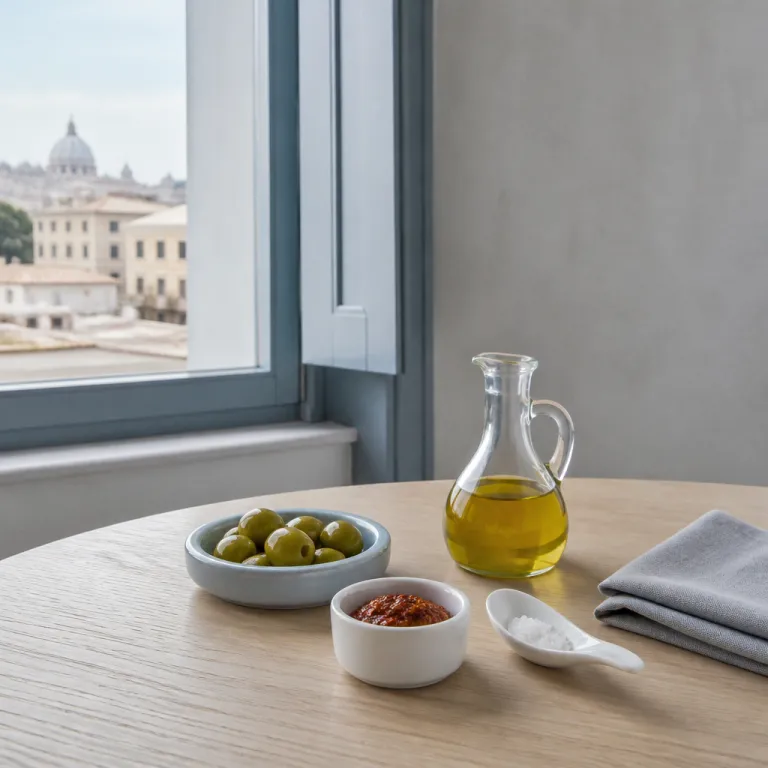
Tunisian cuisine hotels dining as a new measure of luxury
Tunisian cuisine in luxury hotels now defines whether a stay in Tunisia feels genuinely high-end. In the best properties, every Tunisian dish on the menu is treated with the same care as the marble in the lobby, and the way a simple fried brik or a bowl of lablabi is served tells you more about the hotel’s soul than any spa brochure. Food-focused travelers quickly understand that Tunisian-inspired hotel dining is not about theatrical tasting menus, but about how harissa, olive oil and sea salt are woven into breakfast, room service and poolside snacks.
Across Tunisia, chefs in high-end restaurants are leaning into traditional Tunisian cooking rather than hiding it behind generic Mediterranean food. Hotel kitchens work closely with local farmers to secure early-harvest olive oil, sun-ripened vegetables and sea salt from coastal pans, then build menus where each Tunisian dish feels both rooted and refined. This is where Tunisian hotel gastronomy earns its reputation, when a plate of grilled fish arrives with a tomato-based sauce perfumed by preserved lemons, peppers, onions and a spoon of harissa tunisienne that reflects the nearby Cap Bon fields.
Luxury travelers used to ask about room size and spa treatments first, but now they also ask how many Tunisian food classics appear on the menu. They want to know whether brik with tuna and egg is cracked to order, whether the lablabi traditional chickpea stew comes with a proper boiled egg and whether the olive oil is truly local. Refined Tunisian cuisine in hotels has become a shorthand for authenticity, and couples planning a romantic escape increasingly choose properties where the food, the wine list and even the fig brandy digestifs speak fluent Tunisian.
From harissa to olive oil: the pantry behind hotel plates
Every serious Tunisian hotel dining programme starts with three pillars, and they are harissa, olive oil and sea salt. Harissa is not a generic chili paste here; official descriptions from Tunisian food authorities define it as a spicy paste made from red chili peppers, garlic and spices, often sun-dried and stone-ground. When hotels respect that definition and treat harissa tunisienne as a grand condiment, they unlock a spectrum of flavor that can lift eggs at breakfast, grilled vegetables at lunch and slow-cooked lamb at dinner.
Olive oil is where Tunisia quietly outclasses many Mediterranean neighbors, and luxury hotels know it. The country ranks among the world’s leading olive-oil exporters, and in strong harvest years it has supplied a significant share of global production according to international trade statistics. The best restaurants inside resorts now stage tastings where guests compare oils from Cap Bon, the Sahel and the south, drizzling each over warm bread or a simple Tunisian street-style salad of tomatoes, peppers, onions and herbs. In these moments, contemporary Tunisian cuisine in hotels feels almost like a wine ceremony, with staff explaining how traditional presses and local farmers keep the flavor profile so intense.
Sea salt harvested along the coast completes this pantry, joined by preserved lemons, dates and sometimes fig-brandy-infused raisins. When a hotel kitchen seasons its ojja, the tomato-based egg-and-harissa stew, with this salt and finishes it with a thread of early-harvest olive oil, the result is both rustic and polished. Guests who pay attention to Tunisian food culture notice these details immediately, because the same care shows up in small plates of fried brik, in bowls of lablabi traditional chickpeas and in the way even poolside street-food snacks echo the flavors of the medina.
For travelers curious about the people behind these flavors, initiatives such as Sawa Taste of Tunisia and women-led culinary projects that connect home cooks with tourism operators offer context. Sawa, for example, links rural cooperatives and small-scale producers with chefs in Tunis and coastal resorts, helping them showcase single-origin olive oils, artisanal harissa and heirloom grains. Hotel chefs often train with these artisans, then bring techniques like mortar-and-pestle harissa grinding or slow-drying peppers into their professional kitchens. That is how Tunisian cuisine in hotels stays connected to the street markets and family kitchens that created these dishes in the first place.
From medina alleys to hotel tables: rethinking street food classics
Walk any Tunisian street in Tunis, Sfax or Sousse and you will smell frying oil, grilled peppers and the faint sweetness of coated sugar on pastries. Upscale hotel restaurants increasingly borrow from this street-food energy, then reframe it for couples who want romance without losing the edge of the medina. Instead of copying stalls, chefs translate icons like brik, lablabi and bambalouni into plates that respect both the original dish and the expectations of a five-star dining room.
Brik, the fragile pastry usually fried to order and served with a runny egg and sometimes filled tuna, has become a signature in many hotel restaurants. In refined dining rooms across the Mediterranean, some boutique properties now look to Tunisian technique, pairing brik-style pastries with regional wine and seasonal vegetables. Back in Tunisia, chefs might add a spoon of egg harissa on the side, letting guests adjust the heat while still tasting the delicate olive oil used in the pastry dough.
Labblabi traditional chickpea stew, once pure Tunisian street food, now appears on breakfast buffets and à la carte menus in luxury hotels from Tunis to Djerba. The best versions arrive in deep bowls lined with torn bread, then topped with a boiled egg or sometimes two eggs, a drizzle of olive oil and a generous spoon of harissa tunisienne sauce. Diners who care about Tunisian food heritage often share one bowl before moving on to grilled fish, because hotel dining at this level turns a humble dish into a slow, intimate ritual.
Even desserts travel from the street into the dining room, especially bambalouni, the airy doughnut usually sold in paper cones at the beach. In hotels, bambalouni may be smaller, dusted with coated sugar scented with orange blossom and paired with fig brandy or a glass of late-harvest wine. This is where Tunisian-inspired hotel cuisine shows its playful side, letting guests taste street flavors without leaving the candlelit terrace.
Regional flavors: from Sidi Bou Saïd terraces to desert tables
Not all Tunisian hotel food tastes the same, and that is part of the appeal for couples planning a multi-stop trip. On the coast, especially around Tunis, La Goulette and the clifftop village of Sidi Bou Saïd, the focus is on seafood, crisp white wine and vegetables that barely need cooking. Here a Tunisian dish might be a grilled sea bream served with a tomato-based sauce, a side of peppers-and-onions salad and a small bowl of harissa tunisienne loosened with olive oil for dipping bread.
Further south in Djerba, hotel restaurants lean into the island’s Jewish and Berber heritage, layering spices differently and playing with slow braises. High-end dining in this region often features ojja with merguez sausage, eggs baked directly into the sauce and finished with preserved lemons, while another plate might showcase fried fish dusted with sea salt from nearby pans. Travelers who love Tunisian food will notice how the same ingredients, from olive oil to harissa, shift character as they move from Sidi Bou to the island and then inland.
In desert hubs such as Tozeur and Douz, the mood changes again, and Tunisian cuisine in hotels becomes more about fire, smoke and dates. Chefs here build menus around lamb cooked slowly over embers, couscous with root vegetables and sauces enriched with date syrup rather than only tomato-based reductions. A simple boiled egg might arrive sprinkled with harissa tunisienne and local sea salt as an amuse-bouche, while fig brandy appears at the end of the meal beside small plates of nuts and dried fruit.
For travelers combining romantic escapes with family trips, understanding these regional shifts helps when choosing properties through specialist booking platforms and curated guides. Articles that explain how Tunisia’s luxury hotels make family stays effortless show how menus adapt for younger palates without losing their Tunisian identity. Whether you are sharing brik with tuna and egg by the sea or tasting lablabi traditional stew under desert stars, the country’s hotel restaurants give each region its own culinary love story.
How to choose hotels where the table matches the room
For couples using food as a filter when booking, a few precise questions make all the difference. Ask whether the property works directly with local farmers for olive oil, vegetables and sea salt, and whether Tunisian chefs lead the kitchen rather than simply executing an international menu. When a hotel can explain which region its olive oil comes from and how its harissa tunisienne is made, you can expect more than generic resort food.
Menus tell their own story, so read them carefully before you reserve. Look for a balance between traditional Tunisian dishes such as brik, ojja, lablabi and grilled fish, and more contemporary plates that still use Tunisian food staples like olive oil, preserved lemons and local wine. If you see street inspirations like bambalouni with coated sugar, egg harissa on breakfast buffets or lablabi traditional bowls served alongside filled-tuna salads, you are likely in one of the best restaurants in the area.
Experiences beyond the dining room also signal serious intent, especially for travelers who love cooking together. Many leading hotels now offer market visits, harissa grinding workshops using mortar and pestle, or olive-oil tastings that explain why Tunisian olive oil is known for its high quality and rich flavor, often produced using traditional methods. Some properties even invite guests into the kitchen to learn how to prepare a Tunisian dish such as ojja, layering the tomato-based sauce, peppers, onions and eggs under a chef’s guidance.
Finally, pay attention to how an opened restaurant feels at different times of day, from breakfast sunlight on the terrace to candlelit dinners. Tunisian-focused hotel dining should feel relaxed yet precise, with staff able to talk confidently about every dish, from the fried brik starter to the fig brandy digestif. When that happens, you are not just staying in Tunisia; you are tasting the country’s pantry in every course, and the room upstairs suddenly feels even more luxurious.
FAQ
What is harissa and how is it used in Tunisian hotels?
Harissa in Tunisian hotel restaurants is a thick, spicy paste made from sun-dried chilies, garlic and spices, often blended with local olive oil. It appears at breakfast beside bread and boiled egg, at lunch in tomato-based sauces for fish and at dinner in egg-and-harissa stews such as ojja. Luxury hotels treat harissa tunisienne like a fine condiment, adjusting its heat so couples can enjoy depth of flavor without overwhelming the dish.
How can I experience authentic Tunisian food while staying in a luxury hotel?
Choose properties where menus highlight traditional Tunisian dishes such as brik, lablabi and couscous rather than only international food. Ask whether the hotel sources olive oil, vegetables and sea salt from local farmers and whether Tunisian chefs lead the kitchen. Many high-end hotels now offer cooking classes, market tours and tastings that bring Tunisian street flavors into a refined setting.
Is Tunisian olive oil really different from other Mediterranean oils?
Tunisian olive oil is known for its rich, often peppery flavor, shaped by the country’s climate and long agricultural history. Many producers still use traditional presses, and some hotels showcase single-origin oils from regions such as Cap Bon or the Sahel. During tastings, guests compare these oils with bread or simple vegetables, which is now a hallmark of serious Tunisian-focused hotel dining.
Where should couples go for the best hotel dining in Tunisia?
For seafood-focused hotel cuisine, look to coastal areas around Tunis, La Goulette and Sidi Bou Saïd, where restaurants pair grilled fish with local wine and harissa sauces. Djerba offers island interpretations of Tunisian food, while Tozeur and other desert towns focus on slow-cooked meats, dates and fig brandy. In every region, the best restaurants are those that integrate Tunisian street inspirations into elegant menus without losing their roots.
Are Tunisian hotel restaurants suitable for guests who do not like very spicy food?
Yes, because skilled Tunisian chefs use harissa to build flavor rather than only heat, and they can easily adjust the intensity. Many dishes, from brik to lablabi traditional stew, are served with harissa on the side so guests control how much they add. When booking, you can ask the hotel to suggest Tunisian dishes with milder sauces or more emphasis on olive oil, vegetables and grilled meats.