Where to stay in Nefta Tunisia oasis for design-led desert calm
Choosing where to stay in Nefta, the small oasis town on the edge of the Sahara in southern Tunisia, starts with understanding its mood. This is a quieter town than nearby Tozeur, shaped by Sufi heritage, the palm-filled Corbeille basin and the long light of the desert. Couples who care about architecture and atmosphere will find that the most interesting places to sleep sit just beyond the old streets, where the palm groves thin and the dunes begin.
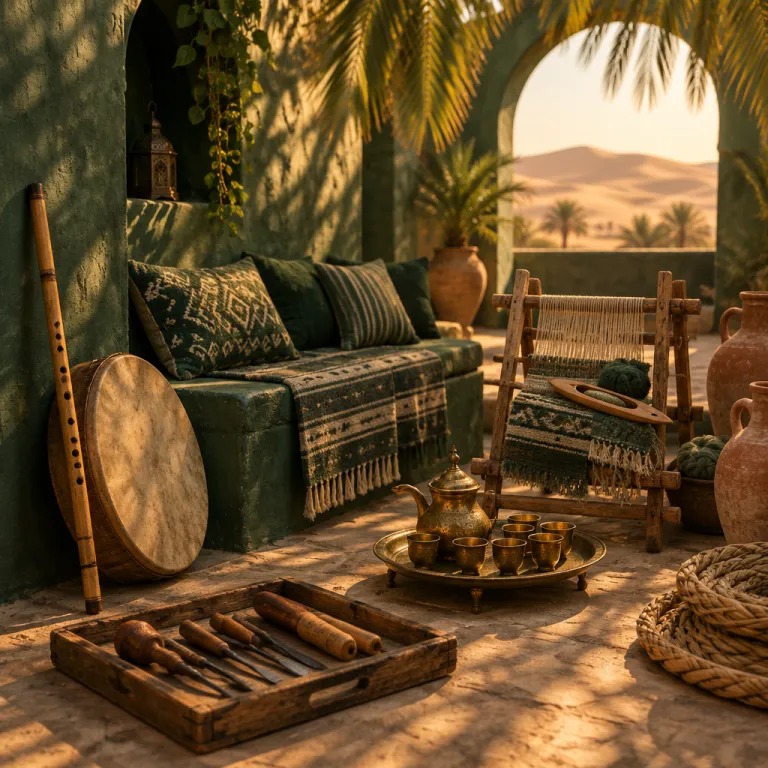
In this part of southern Tunisia, a new generation of hosts has turned traditional dar houses and low-slung compounds into design-conscious retreats. When you look at curated hotels Nefta listings, focus on properties that work with local stone, limewash and palm wood rather than importing generic resort aesthetics. The best boutique hotel options feel like extensions of the Nefta oasis itself, with courtyards, shaded terraces and views that run uninterrupted towards the Sahara.
For many travelers, the benchmark for a memorable stay in Nefta is a place that balances privacy with a sense of the sacred landscape. You want a hotel where the call to prayer drifts over the oasis, yet the only other sound is wind in the palm fronds and the soft splash of a pool. When you compare accommodation, look for those that limit room numbers, because fewer suites usually mean more attentive service and a calmer, more intimate experience.
Dar style architecture, pools and the design language of the oasis
The most compelling answer to where to stay in Nefta is often a restored dar, the traditional courtyard house that naturally regulates heat and light. In the oasis, these homes translate beautifully into small hotels with thick walls, high ceilings and rooftop terraces that frame the Sahara like a private cinema. You step from sun-bleached alleys into cool interiors where tadelakt plaster, woven palm mats and carved doors set the tone.
Many of these properties borrow the vocabulary of the riad without copying Moroccan clichés, using inward-facing courtyards and arcades to create shade and privacy. A central pool often anchors the design, not as a resort statement but as a reflective surface that mirrors the palm canopy and the changing sky. Couples will appreciate how these hotels Nefta hide generous outdoor daybeds, reading niches and roof platforms where you can watch the desert cool at dusk.
Water is precious in southern Tunisia, so the most thoughtful owners work with the rhythm of the springs that feed the Nefta oasis. Expect filtered pool systems, native planting and architecture that channels breezes rather than relying solely on air conditioning. When you compare design-forward places here with coastal spa resorts or even thermal retreats such as the Roman-era hot springs on the Tunisian coast, Nefta feels more elemental, more closely tied to the geology and the slow flow of water under the oasis.
Why choose Nefta over Tozeur for a Sahara stay
Travelers often weigh Tozeur against Nefta when deciding how to split their time in the Djerid region. Tozeur is the regional hub, with an airport, larger hotels and more conventional infrastructure, while Nefta is the contemplative counterpoint. Here, the Corbeille basin drops away in a dramatic bowl of palm trees and springs, and the town’s many Sufi shrines give the streets a quieter, more devotional rhythm.
If you are a couple seeking a romantic experience, Nefta usually feels more intimate than Tozeur. The Nefta oasis wraps closely around the town, so you move quickly from your hotel terrace to the date plantations and then out towards the desert tracks that lead to the Sahara. Tozeur, by contrast, is better for travelers who want a busier promenade, larger resort-style pools and easier access to mainstream tour operators.
Nefta also anchors a different kind of itinerary through southern Tunisia. From here, you can cross the Chott el Jerid salt lake, loop north to the cooler forests of the Kroumirie – a region we explore in depth in our guide to autumn in northern Tunisia – then return to the oasis for a final night under the palm trees. For many design-minded guests, that balance between remote desert landscapes and a refined place to sleep is exactly what makes Nefta the more compelling choice.
Signature Nefta stays: from dar compounds to desert rose hues
When you scan options for where to stay in Nefta, you will notice a recurring architectural language. Many of the most atmospheric hotels Nefta are low, sand-colored compounds that blur into the desert and echo the forms of traditional dar houses. They often sit on slight rises above the oasis, giving long views over the palm groves and the distant line of the Sahara.
Designers here lean into a palette that could be called the desert rose spectrum, with walls washed in soft clay pinks and ochres that shift as the light changes. You might find a contemporary take on a riad layout, where suites open onto a central courtyard and a narrow pool runs like a channel of shade between colonnades. At night, lanterns and recessed lighting turn these places into quiet stages for stargazing, with the scent of dates and jasmine drifting in from the Nefta oasis.
Some properties reference names such as Dar Zargouni or play with the idea of a dar desert retreat, signalling a fusion of domestic intimacy and wide-open desert horizons. Always verify the category and positioning of any hotel on its official channels, because standards and services can vary. For couples, the sweet spot is usually a place with no more than a dozen rooms, a well-maintained pool, and staff who can arrange private Sahara excursions that start and end at the edge of the oasis rather than in a crowded car park.
What to do from your Nefta oasis hotel
Staying in the right property transforms the question of where to stay in Nefta into a layered journey. Mornings often begin with a walk through the Corbeille, where springs feed channels that irrigate the palm groves and the air smells faintly of dates and damp earth. From many hotels, you can reach these paths on foot, returning to your pool just as the sun starts to bite.
Later in the day, your host can arrange a 4x4 or camel outing into the desert to watch the Sahara shift through gold, apricot and finally a muted desert rose tone. Couples often ask for private sundowners, and the better hotels Nefta will set up low tables, rugs and lanterns in a secluded place where you feel entirely alone with the dunes. Back at the Nefta oasis, evenings might mean a simple dinner of grilled lamb, local vegetables and dates, eaten under the palm trees while the town settles into silence.
Nefta also works well as a base for exploring the wider Djerid and southern Tunisia. Day trips might include the Chott el Jerid salt lake, film locations on the edge of the desert, or even a detour to coastal spa regions before returning inland. If you are pairing your oasis stay with time in Rome and the Vatican, our guide to refined hotels near Saint Peter’s Basilica helps you maintain the same standard of intimacy and design, so your journey feels like a continuous thread rather than two disconnected trips.
Planning your stay: seasons, dates and how long to linger
Timing is central when you decide where to stay in Nefta, because the desert climate shapes everything. The most comfortable months for couples are from autumn to spring, when daytime temperatures are warm enough for the pool yet evenings invite shawls and long conversations under the palm trees. High summer in southern Tunisia can be intense, so if you travel then, choose hotels with excellent shading, thick-walled dar style rooms and well-managed cooling systems.
Many guests plan their trip around the dates harvest, when the Nefta oasis is at its most active and the town hums with agricultural work. Staying in a characterful place such as a restored riad or a dar desert retreat during this period lets you see how the oasis economy really functions. You might share breakfast with farmers who have been in the groves since dawn, then slip back to your hotel terrace for a quieter, more reflective part of the day.
As a rule, three nights is the minimum to feel the rhythm of Nefta, but four or five give you time for both Sahara excursions and slow afternoons by the pool. When you compare hotels Nefta, pay attention to what they actually offer beyond the room – guided walks, cultural introductions, or simple logistics like transfers from Tozeur. The right experience is not only about architecture and views; it is about how seamlessly your chosen place connects you to the oasis, the desert and the people who live between them.
How Nefta fits into a wider luxury itinerary
For many readers of myvaticanstay.com, the question is not only where to stay in Nefta, but how to weave it into a broader journey. One elegant pattern is to start with a few nights in Rome, staying near the Vatican in a discreet hotel that mirrors the intimacy of the dar houses you will later encounter in southern Tunisia. From there, a short flight to Tunisia and a transfer to Tozeur brings you within 25 kilometres of Nefta and its oasis.
In this context, Nefta becomes the contemplative centre of a trip that might also include coastal springs, forested hills and other oasis towns. You could pair the Nefta oasis with time in the Kroumirie mountains, or with a stay in a coastal riad style hotel where the sea replaces the desert as your horizon. What matters is that each place you choose, from hotels Nefta to Vatican-side addresses, shares a commitment to design, calm and a strong sense of local identity.
Our editorial mission at myvaticanstay.com is clear; we curate luxury and premium stays with the same critical eye whether they overlook Saint Peter’s dome or the palm groves of the Nefta oasis. That means we look closely at how a hotel uses materials, how its pool sits in the landscape, and what kind of experience it can genuinely offer couples. Apply that lens to Nefta, and names that hint at concepts like Dar Zargouni or desert rose retreats become more than poetic branding; they signal a promise to connect you thoughtfully to the Sahara, the oasis and the long spiritual history of this town.
Key figures for planning a Nefta oasis stay
- Chott el Jerid, the vast salt lake often visited from Nefta, stretches for roughly 5 000 square kilometres, making it one of North Africa’s largest salt pans and a dramatic contrast to the dense palm groves of the Nefta oasis.
- Nefta lies about 25 kilometres southwest of Tozeur by road, so transfers from Tozeur’s airport to most hotels Nefta typically take around 30 to 40 minutes depending on traffic and town access.
- The wider Tozeur Governorate, which includes Nefta, counts tens of thousands of palm trees, and the region is among Tunisia’s leading producers of Deglet Nour dates, a key part of the local oasis economy.
- Daytime temperatures in Nefta during autumn and spring often range between 20 and 28 degrees Celsius, which is ideal for desert excursions and makes pool-equipped hotels particularly attractive for couples.
- Many design-forward hotels and dar style guesthouses in southern Tunisia operate with fewer than 15 rooms, which helps maintain a quiet, personalised experience for guests seeking privacy at the edge of the Sahara.
FAQ about where to stay in Nefta Tunisia oasis
How many nights should couples plan in Nefta for a relaxed stay ?
Most couples find that three to four nights is the ideal length when deciding where to stay in Nefta Tunisia oasis. This allows one full day for the oasis and town, one for a desert or Sahara excursion, and another for slow time by the pool. If you are combining Nefta with Tozeur or coastal Tunisia, adding a fifth night gives you more flexibility.
Is Nefta or Tozeur better for first time visitors to southern Tunisia ?
Tozeur suits travelers who want larger hotels, more restaurants and straightforward logistics, while Nefta is better for couples seeking a quieter, more spiritual experience. When you focus on where to stay in Nefta Tunisia oasis, you trade some urban convenience for immersion in the palm groves and Sufi heritage. Many itineraries use Tozeur as a gateway and Nefta as the main place to linger.
What type of accommodation is most atmospheric in Nefta ?
The most atmospheric answer to where to stay in Nefta Tunisia oasis is usually a restored dar or riad style guesthouse with a central courtyard and a small pool. These hotels Nefta often use local stone, palm wood and earth tones that echo the desert rose hues of the surrounding oasis. They feel more connected to the Nefta oasis than larger, more anonymous properties.
When is the best season to visit Nefta and the Sahara edge ?
The most comfortable period for where to stay in Nefta Tunisia oasis runs from autumn through spring, when daytime temperatures are mild and evenings are cool. This is ideal for walking in the palm groves, exploring the desert and enjoying pool time without extreme heat. Summer can work if you choose a well-shaded hotel and plan activities for early morning and late afternoon.
How do I reach Nefta from international gateways ?
Most visitors fly into Tozeur–Nefta Airport, then take a road transfer of about 25 kilometres to their chosen hotel in the Nefta oasis. If you are pairing Nefta with a Vatican stay, you can route via major European hubs from Rome before connecting to southern Tunisia. Always ask your hotel what transfer services they offer, as many design-focused places can arrange private cars timed to your arrival.
Sources : National Office of Tunisian Tourism ; Institut National de la Statistique Tunisie ; Tozeur Governorate tourism board.