Where to stay in Le Kef Tunisia for a first mountain escape
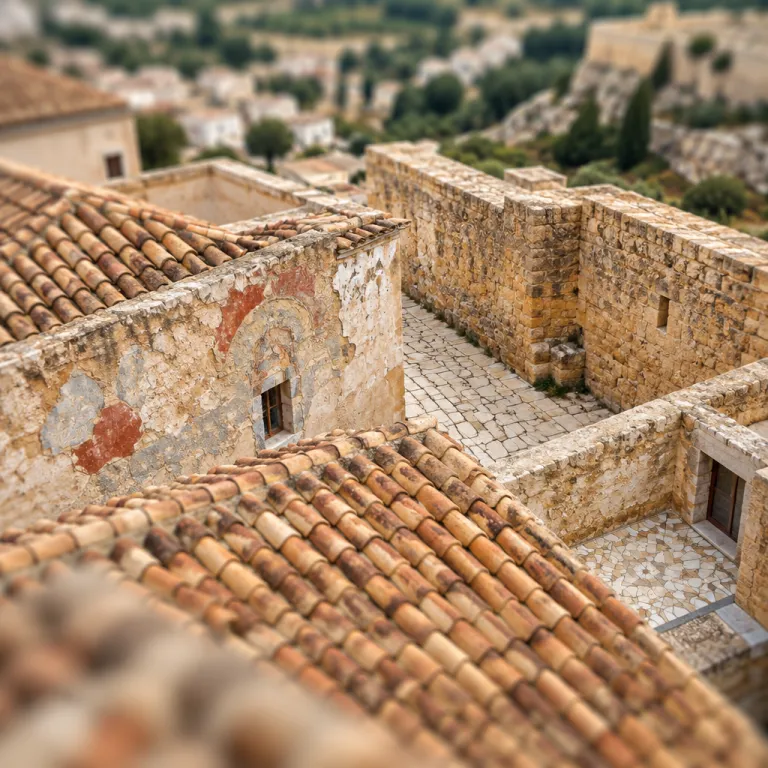
Le Kef sits high above the plains of north west Tunisia, a compact city where stone ramparts, minarets and tiled roofs step down from the kasbah in layered terraces. For travelers asking where to stay Le Kef Tunisia for a first visit, the answer lies in characterful guest houses and intimate hotels that frame the fortress walls and the distant Jugurtha tableland in the same cinematic view. You trade resort anonymity for hosts who greet each guest by name and share stories of the ancient Roman and Ottoman past over mint tea at night.
Most Kef hotels cluster around the upper medina and the slopes just below Kasbah Kef, so you can walk from your hotel to the main gates in under ten minutes. In this part of Kef Tunisia, restored stone houses and small hotels Kef often keep their original arches and courtyards, while adding hot showers, Wi Fi and sometimes a discreet swimming pool tucked behind high walls. When you check current price ranges and guest reviews, you will notice that even the top rated hotel or guest house in the city usually costs less per night than a mid range room on the Tunisian coast.
The hilltop setting shapes everything about where to stay Le Kef Tunisia, from the way morning light hits the kasbah to the cool air that drifts through open shutters after sunset. Independent guests who have already explored Sidi Bou Saïd or the beaches of north Africa often come here for a slower rhythm and a deeper sense of history. They find that the city’s compact scale, walkable lanes and layered heritage make Le Kef feel both manageable and richly textured for a solo stay.
Historic quarters and kasbah views: staying close to the fortress
Choosing a room near Kasbah Kef puts you inside the oldest layers of the city, where Roman stones sit beneath Ottoman arches and twentieth century shutters. This is the most atmospheric answer to where to stay Le Kef Tunisia if you want to step out of your guest house and reach the fortress in minutes, then watch the light fade over the plains of western Tunisia from the ramparts at night. The climb is steep in places, yet the reward is a sense of living inside an ancient hill town rather than just visiting it.
Many Kef hotels in this upper district occupy former family houses, sometimes known locally as a traditional house Kef, with thick walls that keep rooms cool even when the coast is hot. You will find small hotels Kef where a handful of guests share a central courtyard, and where breakfast might feature local cheeses, olives and warm bread served under vines. Before booking, check recent reviews carefully to understand how each hotel balances heritage charm with modern comforts such as heating for cool nights and reliable hot water.
Late summer and early autumn suit this part of Kef Tunisia particularly well, when the mountain air feels crisp while coastal Tunisia still swelters. If you are planning a wider itinerary, pair your stay in Le Kef with time in Tunis or Sidi Bou Saïd, using resources such as a detailed guide to why September might be the smartest month to visit Tunisia to time your trip. For travelers who care about both climate and culture, the combination of kasbah views, cool evenings and easy access to Roman and Byzantine sites makes this upper city location a compelling base.
Medina lanes and character stays: where to sleep among arches and frescoes
Drop just below the fortress and you reach the medina, where narrow streets twist between whitewashed walls and painted doors, and where the question of where to stay Le Kef Tunisia becomes a choice between several intimate addresses. Around the area sometimes referred to as Sicca Veneria, echoing the ancient name Sicca for the city, you will find guest houses that weave Roman fragments and nineteenth century tiles into their design. Here, guests sleep beneath painted ceilings and carved plaster that speak of every century that has passed through this hill town.
In the medina, a traditional guest house often offers just a few rooms, so each guest receives personal attention and tailored advice on what to see in Kef Tunisia and beyond. Some properties echo the atmosphere of a dar in Sidi Bou Saïd, while others lean into the rugged stone aesthetic of north Africa’s inland mountains, yet all share a focus on hospitality and sense of place. When comparing Kef hotels in this quarter, check whether your chosen hotel has direct vehicle access or if you will need to walk your luggage through the lanes at night, which can be charming but challenging for some travelers.
Staying in the medina also places you close to small cafés and the occasional restaurant where you can taste regional dishes before returning to your hotel. This is where to stay Le Kef Tunisia if you want to feel the pulse of the city in the evenings, hearing conversations drift up from the streets while you sit on a rooftop terrace. For solo travelers, the scale of these hotels Kef and guest houses encourages conversations with other guests, turning a simple night in Le Kef into a shared experience of the ancient city.
Roman echoes and mountain horizons: using Le Kef as an inland base
Le Kef’s position near the Algerian border makes it a strategic base for exploring some of Tunisia’s most evocative Roman and Numidian sites, and this shapes how you think about where to stay Le Kef Tunisia for more than a single night. From the city, you can reach the Jugurtha tableland, a dramatic plateau linked to the story of the Numidian king Jugurtha, as well as the Roman site of Bulla Regia with its unique underground villas and Roman baths. Returning to your hotel in Kef Tunisia after a day among ruins feels different from returning to a coastal resort in north Africa, because the mountain air and fortress skyline keep you anchored in history.
Many Kef hotels can arrange drivers or guides to help guests reach these sites, especially if you are traveling solo and prefer not to rent a car. When you check hotel descriptions and reviews, look for mentions of day trips to Bulla Regia, the Jugurtha tableland or other Roman remains, as this indicates a property that understands the inland circuit. For travelers who have already slept in desert camps near Ksar Ghilane or stayed in coastal resorts, combining a night in Le Kef with a stay at a Saharan property such as those described in a guide to a night at Ksar Ghilane creates a Tunisia itinerary that spans hot springs, Roman forts and cool mountain towns.
Within the city itself, traces of the Roman and Byzantine eras appear in reused stones, inscriptions and the layout of certain streets, reminding guests that Sicca Veneria once played a role in the wider Roman province of Africa. This context deepens the appeal of where to stay Le Kef Tunisia, because your hotel becomes more than a bed for the night, it becomes a vantage point on centuries of movement across north Africa. For independent travelers who value narrative as much as comfort, that combination is often worth more than any resort swimming pool.
Guest houses, character hotels and the question of comfort
Accommodation in Le Kef leans toward intimate guest houses and small hotels rather than large branded properties, so understanding what comfort looks like here is essential when deciding where to stay Le Kef Tunisia. A traditional guest house in the city might offer thick stone walls, patterned tiles and a rooftop terrace, but no lift, limited heating and a bathroom that reflects the constraints of an ancient building. By contrast, a newer hotel on the lower slopes of Kef Tunisia may provide more conventional rooms, easier access and sometimes a small swimming pool, but less architectural character.
When comparing Kef hotels, pay close attention to how recent reviews describe noise levels, water pressure and the quality of bedding, because these details matter more in older structures. Some hotels Kef highlight their proximity to Kasbah Kef or to specific landmarks such as the Makhlouf mausoleum or the remains of Roman baths, which can be a useful way to understand location within the city. If you are sensitive to cold, especially at night outside the peak summer months, check whether your chosen hotel or guest house offers adequate heating, since mountain temperatures in north west Tunisia can drop more than on the coast.
Price remains one of the quiet luxuries of where to stay Le Kef Tunisia, because even the top rated hotel or most atmospheric house Kef usually costs less per night than comparable stays in Tunis or Sidi Bou Saïd. This allows guests to allocate more of their budget to guided excursions, private transfers or extended stays that include both Kef Tunisia and other regions of north Africa. For solo travelers, the combination of fair prices, attentive hosts and layered history makes Le Kef an appealing place to linger rather than rush through.
Eating, drinking and evening atmosphere in Le Kef
Part of the pleasure of deciding where to stay Le Kef Tunisia lies in how your chosen hotel or guest house connects you to the city’s food culture. Many Kef hotels include dinner on request, serving home style dishes that reflect the agricultural richness of western Tunisia, from slow cooked lamb to vegetable stews scented with mountain herbs. In some cases, a small in house restaurant welcomes outside guests as well, turning your lodging into a quiet social hub at night.
Outside your hotel, you will find simple cafés and eateries where guests and locals share tables, especially in the streets leading up toward Kasbah Kef and around the main squares. While Le Kef does not yet offer the polished dining scene of Tunis or Sidi Bou Saïd, the city compensates with sincerity, generous portions and prices that feel gentle compared with coastal resorts in north Africa. Before you book, check whether your chosen guest house or hotel can accommodate dietary preferences, as options in the immediate vicinity may be limited late at night.
Evenings in Kef Tunisia tend to be quiet, with the focus on conversation rather than nightlife, which suits travelers who value rest after days spent exploring Roman ruins or hiking near the Jugurtha tableland. This calm rhythm reinforces the appeal of where to stay Le Kef Tunisia for solo explorers and couples who prefer a glass of tea on a terrace to a crowded bar. If you want a livelier scene at some point in your trip, you can always balance your time here with a stay in Tunis or in the historic center of Rome, using resources such as a guide to where to stay for the best hotels in Rome near the Vatican and Centro Storico to plan the urban half of your journey.
Planning your stay: practical tips for solo and independent travelers
For solo travelers considering where to stay Le Kef Tunisia, logistics matter as much as atmosphere, because this is a mountain city with limited public transport connections. Most guests arrive by road from Tunis, Béja or the coastal cities, then rely on walking and occasional taxis to move between their hotel, Kasbah Kef and the lower quarters. When booking Kef hotels, confirm arrival instructions in advance, especially if your guest house sits inside the medina where cars cannot always reach the door.
Safety in Kef Tunisia generally feels comparable to other provincial cities in north Africa, with a calm atmosphere and a visible local community presence in the streets. As always, solo guests should follow standard precautions, yet many report feeling comfortable walking between hotels Kef and central squares in the early evening. To make the most of your time, plan at least two or three nights in the city, which allows one full day for Le Kef itself and another for an excursion to sites such as Bulla Regia or the Jugurtha tableland.
When you check availability and price, remember that national holidays and local festivals can affect both room supply and the mood of the city, sometimes filling hotels with Tunisian families from other regions. This can be a rewarding moment to experience Kef Tunisia at its most animated, but it also makes early booking wise if you have a specific guest house or hotel in mind. For travelers who value authenticity, layered history and cool mountain air, that extra planning pays off in a stay that feels both grounded and quietly luxurious.
Key figures on Le Kef and inland Tunisia travel
- Le Kef sits at an elevation of roughly 780 metres above sea level, which helps keep summer temperatures several degrees cooler than coastal cities such as Tunis or Sousse according to regional climate data from the National Institute of Meteorology of Tunisia.
- The archaeological site of Bulla Regia lies about 65 kilometres from Le Kef by road, making it a feasible half day or full day excursion for travelers based in the city, as indicated by official signage and regional tourism maps.
- Travel times by road from Tunis to Le Kef typically range between three and four hours depending on traffic and route, based on estimates from Tunisian intercity bus schedules and private transfer companies.
- Visitor numbers to inland archaeological sites such as Bulla Regia and Dougga remain significantly lower than those to coastal resorts, according to summaries published by the Tunisian National Office of Tourism, which contributes to the uncrowded feel of excursions from Le Kef.
FAQ about staying in Le Kef, Tunisia
Is Le Kef safe for solo travelers at night ?
Le Kef generally feels calm and manageable for solo travelers, with a strong local community presence in the streets and a slower pace than larger Tunisian cities. Most visitors report feeling comfortable walking between central hotels and main squares in the early evening, especially around Kasbah Kef and the medina. Standard precautions still apply, such as avoiding poorly lit areas late at night and keeping valuables discreet.
How many nights should I spend in Le Kef ?
Plan at least two nights if you want to explore the city itself and visit Kasbah Kef without rushing. Three nights allow time for a full day trip to nearby Roman sites such as Bulla Regia or to the Jugurtha tableland, which deepens your sense of the region. Travelers combining Le Kef with Tunis, Sidi Bou Saïd or the Sahara often find that this balance gives them both urban and inland perspectives on Tunisia.
Do hotels in Le Kef offer modern comforts ?
Most Kef hotels and guest houses provide essential comforts such as private bathrooms, hot water and Wi Fi, though facilities can vary in older buildings. Traditional properties near the medina may prioritise character and heritage over amenities like lifts or large swimming pools, while newer hotels on the lower slopes tend to feel more conventional. Reading recent guest reviews is the best way to assess heating, bedding quality and noise levels for your chosen stay.
Can I visit Roman sites from Le Kef without a car ?
Reaching major Roman sites such as Bulla Regia or the Jugurtha tableland without a car is possible but requires planning. Many hotels in Kef Tunisia can arrange private drivers or connect you with local guides who organise day trips for guests. Public transport options exist but are less convenient for time pressed travelers, so arranging transport through your hotel is usually the most efficient approach.
When is the best season to stay in Le Kef ?
Late summer and early autumn suit Le Kef particularly well, because the mountain elevation keeps temperatures cooler than on the coast while days remain long and dry. Spring also offers pleasant weather and green landscapes in the surrounding hills, which appeals to hikers and photographers. Winter can be atmospheric but chilly, so travelers visiting then should prioritise hotels and guest houses with reliable heating.