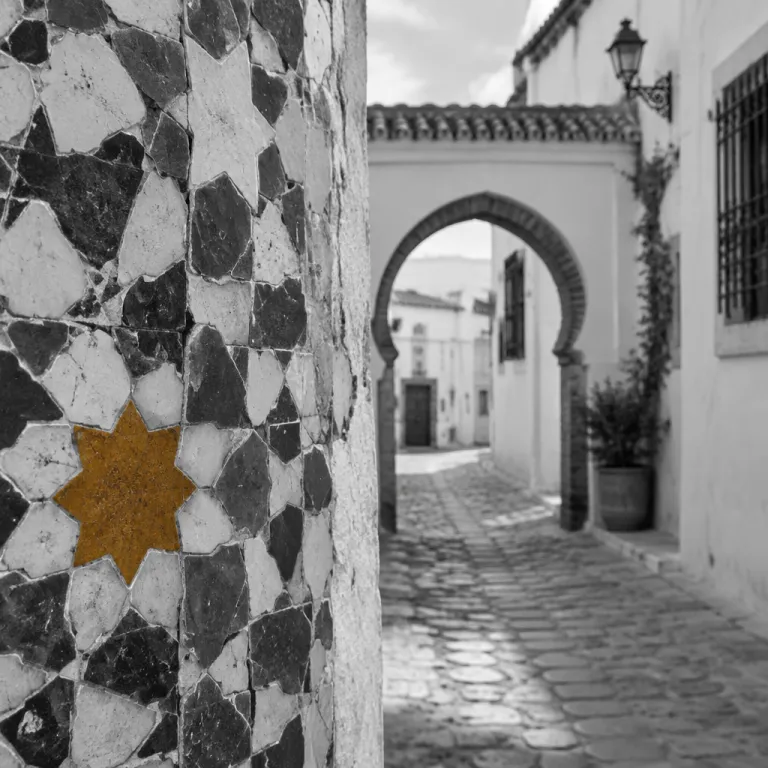
Testour Tunisia Andalusian heritage: a Moorish town in the Medjerda valley
Testour sits in the Medjerda River valley in northern Tunisia, a compact town shaped by exiles from Andalusia. Muslim and Jewish families who fled Spain in the 16th and early 17th centuries rebuilt this settlement on or near a Roman site, leaving a layered legacy that still frames daily life. Walk its quiet streets and you feel a different north African rhythm, where Tunisian habits meet Iberian memory.
The story of Testour’s Andalusian roots begins with those refugees, often called Moors, who carried their building techniques, irrigation knowledge and malouf music traditions across the Mediterranean. They laid out the town with narrow lanes, inward looking houses and red tiled roofs that recall small towns in southern Spain more than other towns in northern Tunisia. This mix of Arab, Iberian and older Roman traces makes Testour and its neighbours some of the most intriguing historic towns in the country.
For a solo traveler planning a day trip from Tunis, Testour works beautifully as a first stop on a wider Moorish trail. The town lies about 75–80 km west of the capital, roughly a 1.5 to 2 hour drive by car depending on traffic and roadworks. You can visit in a relaxed half day, then continue towards Dougga or Bulla Regia to complete a full day of Roman and Andalusian heritage in north Africa. Many independent travelers choose a rental car or pre-booked driver from Tunis for this loop, because it gives the freedom to pause in small towns along the Medjerda River and shape the day at their own pace.
The Great Mosque of Testour and a skyline shaped by Andalusia
The Great Mosque of Testour anchors the town, its square minaret capped with red tiles that immediately signal an Andalusian story. Unlike many mosques in northern Tunisia, the main minaret carries a clock with reversed numerals, a detail often highlighted by guides whose narrative covers the town’s layered heritage. From the small square outside, you see how the skyline blends Tunisian whitewashed walls with sloping roofs that could belong in a hill town above Córdoba.
Architecturally, this Great Mosque reflects both Arab religious tradition and the practical skills of craftsmen trained in Spain, who reused Roman stones from earlier structures. The result is a building where Roman fragments, north African stucco and Andalusian brickwork sit together, telling a quiet story of Muslims and Jews rebuilding lives after expulsion. When you visit Testour, take a few unhurried hours to notice carved lintels, wooden balconies and interior courtyards that echo other historic towns across the Mediterranean.
Independent travelers often time their visit around the midday prayer, when the area around the mosque fills with local residents and the town feels most alive. Respectful visitors can observe from the square, listening to Tunisian Arabic mingling with the call to prayer and the distant sound of malouf music from a radio. Non-Muslim guests usually admire the mosque from the outside; dress modestly, avoid photographing worshippers and check locally for current visiting times, which can vary slightly with the seasons and religious calendar.
Malouf music, festival traditions and the sound of Testour’s streets
Testour is as much about sound as stone, and malouf music is the clearest expression of its Andalusian heritage. This classical Tunisian genre, rooted in Arab and Iberian modes, has long been performed in the town’s cultural centres and family salons. On certain evenings, you may hear a local ensemble rehearsing, the violin and oud carrying across the town as the Medjerda River valley cools.
The town has hosted an international festival of malouf and traditional Maghrebi music for decades, drawing performers from across Tunisia and other north African countries. The event is typically held in summer, often in July or August, with concerts in open air venues and the municipal cultural centre. For a traveler, even outside festival days, asking a local café owner about music can lead to an invitation to a rehearsal or a small gathering, where Andalusian musical traditions are shared informally.
Solo explorers planning a full day trip Tunis to Testour and Dougga often underestimate how quickly hours pass once conversations start around music and memory. Many older residents still speak about family links to Spain, and how malouf music kept that connection alive when other traces faded. If your guide covers only the main monuments, consider lingering independently in the town’s quieter streets, where the soundtrack of daily life reveals as much as any formal performance. For current festival dates and programmes, check with the Testour municipality, the regional cultural office in Béja or a reputable Tunisian tourism information point before you travel.
From Testour to Dougga and Bulla Regia: a layered Roman and Moorish trail
Using Testour as a base for a wider cultural loop lets you connect Andalusian heritage with some of Tunisia’s most important Roman sites. The classic route links Testour, Dougga and Bulla Regia in a single full day, either with a private driver or a carefully planned rental car itinerary. Distances are modest in this part of northern Tunisia, but the density of history means you should allow generous hours at each stop.
From the town centre, the road to Dougga climbs gently, revealing a landscape of olive groves and grain fields that has fed north Africa for millennia. Dougga itself, a remarkably preserved Roman town about 35 km south west of Testour, offers theatres, temples and houses that show how earlier urban life shaped later settlements like Testour and the nearby towns along the Medjerda River. Continuing to Bulla Regia, roughly 70 km north of Dougga by road, you encounter the famous underground Roman houses, a striking contrast to the inward looking Andalusian courtyard homes you saw earlier in the day.
Many travelers refer to this loop as the Testour Dougga trail, sometimes extending it into a two day Testour and Dougga Bulla circuit to avoid rushing. Whether you book a guide whose commentary covers both Roman and Moorish periods, or travel independently, the combination of sites makes the region’s history feel anchored in a much longer story. It is one of the rare day trips from Tunis where Roman, Arab and Andalusian layers appear in sequence, without the crowds of more famous coastal towns.
Planning your stay: where to base, how to reach Testour and the Vatican design parallel
Most luxury travelers base themselves in Tunis, then arrange a private full day trip Tunis to Testour and the surrounding towns. High end hotels in the capital can organise a driver and guide, or you can book a rental car if you prefer to keep the day flexible. The drive north west towards northern Tunisia’s Medjerda valley usually takes around one and a half to two hours each way, depending on traffic leaving the city.
For those drawn to longer, slower itineraries, combining Testour with time in traditional Tunisian houses or restored farm properties works well, especially if you are already considering extended stays such as renting a dar for a month to experience Tunisia in the low season. This kind of slow travel allows you to revisit the town’s Andalusian streets at different times of day, noticing how the town shifts between market bustle and evening calm. It also gives space to explore lesser known towns along the Medjerda River, where similar architectural details appear in smaller mosques and family homes.
Travelers interested in how history shapes hotel and interior design often appreciate the way architectural motifs carry stories. In Tunisian guesthouses around Testour, north African and Andalusian influences guide arches, tiles and courtyards, just as Roman and baroque references inform interiors in many European heritage districts. Approaching destinations with this architectural curiosity turns a simple trip into a study of how Muslims, Jews and Christians across different countries translated faith and memory into stone.
FAQ
How long do I need for a day trip from Tunis to Testour ?
Plan a full day trip from Tunis to Testour, allowing around one and a half to two hours each way for the drive and at least three to four hours in the town itself. If you add Dougga or Bulla Regia, expect a long but rewarding day with an early start. A sample outline could be: depart Tunis around 7:30, reach Testour by mid morning, continue to Dougga after lunch, then return to Tunis by early evening.
Is Testour easy to visit without a guide ?
Testour is compact and walkable, so independent travelers can explore the town centre, the Great Mosque exterior and main streets without difficulty. A local guide, however, adds context about Andalusian heritage, malouf music and family histories that are not always obvious. If you travel without a guide, allow extra time to speak with residents, check information at the main square and read available information panels.
What is special about the Great Mosque of Testour ?
The Great Mosque of Testour is notable for its square minaret with red tiles and a clock whose numerals run counter clockwise, reflecting the town’s Andalusian roots. Builders reused Roman stones and combined north African and Iberian elements in its design. Visitors usually admire it from the outside, respecting local customs around prayer times and modest dress.
Can I combine Testour with Dougga and Bulla Regia in one day ?
It is possible to combine Testour, Dougga and Bulla Regia in a single full day if you start early from Tunis and travel by private car. The route forms a logical loop through northern Tunisia, linking Andalusian and Roman heritage. Some travelers, however, choose to split the sites over two days to avoid fatigue and enjoy each place more deeply.
Is Testour suitable for solo travelers interested in culture ?
Testour suits solo travelers who value quiet streets, layered history and authentic local encounters. The town is generally calm, with friendly residents and manageable walking distances. Combining it with nearby Roman sites creates a rich cultural itinerary without the crowds found in larger tourist centres.