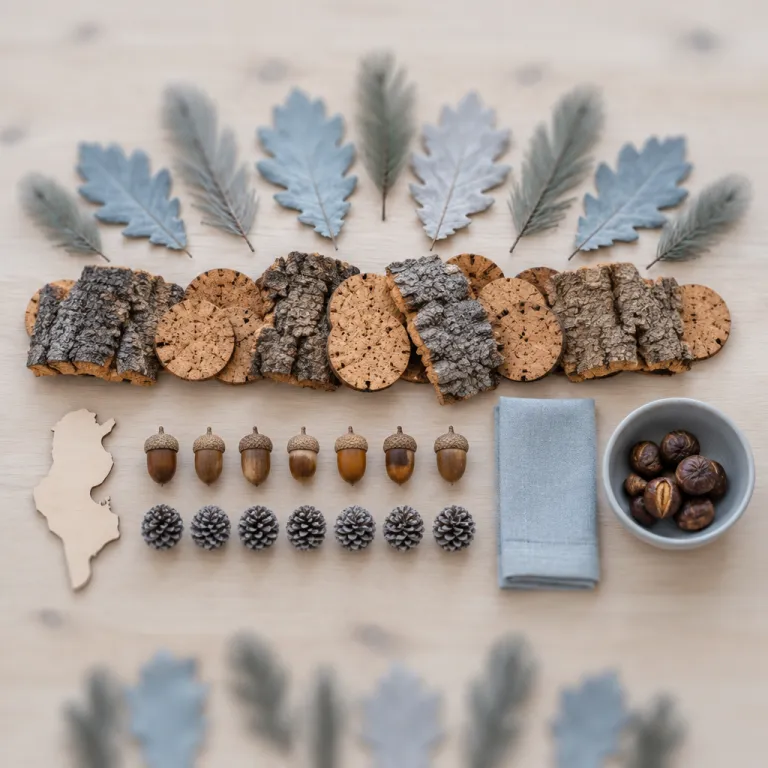
Why northern Tunisia autumn Kroumirie feels like a different country
By late September and October, when the coast quiets and the sea cools, northern Tunisia autumn Kroumirie begins to feel like a private season. The Kroumirie mountains in the far north west of Tunisia trade beach glare for low mist, wood smoke and cork oak forests that finally breathe after the heat of the desert and the long dry days on the coast. For couples used to the white and blue of Sidi Bou Saïd or the ruins of Carthage, this north facing corner offers a slower day and a very different Tunisian rhythm.
The road from Tunis to the north west is a gentle lesson in how north south Tunisia really works, as the landscape shifts from Cap Bon citrus groves to forest tracks that climb towards Aïn Draham. Many travelers pair a Tunis day in the Tunis medina with a later weekend in the Kroumirie mountains, using a rental car to move from the marble columns of Carthage to the red roofs of Aïn Draham in a single tour. The drive from Tunis Carthage Airport to Aïn Draham takes around three hours for roughly 200 km, long enough to feel the contrast between sea light and the cooler temperatures in the hills that make this region a quiet favourite for autumn escapes.
In practical terms, the best time for a northern Tunisia autumn Kroumirie stay runs from late September and October into early winter, when daytime temperatures sit around 15–22°C and evenings invite a fire. Couples who have spent earlier days on the coast or even a short foray into the desert often end their tour here, letting the forest air slow the pace before flying out of Tunis Carthage. If you are planning a wider Mediterranean journey that includes time in Rome or near the Vatican, it is easy to link flights between Tunis and the Italian capital so that cork oak hills and city colonnades become part of the same story.
Forest tracks, cork oak light and slow days between Aïn Draham and Tabarka
The heart of any northern Tunisia autumn Kroumirie itinerary lies on the sinuous road between Aïn Draham and Tabarka, where forest tracks peel off into stands of cork oak and the air smells of damp earth. A typical day might start with coffee in Aïn Draham, watching local life unfold around the market, then a slow car drive west as the Kroumirie mountains open into views of the north coast and the distant sea. Couples who enjoy mountain biking can arrange guided rides on old forestry pistes, while walkers follow unmarked but well trodden paths that loop through the forest and back to the road before dusk.
Tabarka itself sits where the mountains meet the sea on the far north coast of Tunisia, and in September and October its small harbour feels unhurried compared with the busier resorts further south. You can spend a day exploring the rocky shoreline by car, stopping for grilled fish at a local café, then driving back up towards Aïn Draham as temperatures fall and the forest takes on that blue evening light. Many travelers who know only the medina of Tunis or the polished cafés of Sidi Bou Saïd are surprised by how wild this north west corner feels, especially when low cloud drifts through the cork oak canopy.
For couples tracking how Tunisia is changing as a luxury destination, it is worth noting how Spanish and other international hotel groups are investing along the coast and inland, a shift that will eventually touch even quiet regions like the Kroumirie mountains. That broader context matters when you are choosing where to spend your days, because a northern Tunisia autumn Kroumirie stay offers something the larger resorts cannot match. Here the luxury is space, silence and the feeling that the forest and the sea are still shared mainly with local families from Tunis who come up for a weekend in the fresh air.
Pairing the Kroumirie with Tunis, Carthage and the wider north
One of the quiet pleasures of a northern Tunisia autumn Kroumirie trip is how easily it folds into a wider circuit that includes Tunis, Carthage and the coast. Many couples start with two or three days in the capital, staying near the Tunis medina for easy access to its palaces and then taking a Tunis day excursion out to Carthage and Sidi Bou Saïd by car. That classic Carthage Sidi Bou loop, with its views from Byrsa Hill over the sea and the Cap Bon peninsula, sets up a powerful contrast with the forested north west you will reach later.
From Tunis Carthage Airport, it is a straightforward drive north to Bulla Regia, where Roman villas sit partly underground to escape the summer heat, and then on towards the Kroumirie mountains and Aïn Draham. Couples who have already spent time on the quieter luxury coast near Mahdia often comment that the north feels like a different Tunisia again, with cooler air and denser woodland replacing palm lined beaches. By the time you reach Aïn Draham, the shift from sea breeze to mountain air makes it clear why this region works so well in September and October.
For those balancing north south routes, a popular pattern is to begin with the coast and Carthage, then move inland to the Kroumirie mountains, and only afterwards consider a short desert extension if time allows. The national park areas and forest tracks around the north west lend themselves to two or three days of slow travel, with one full day devoted to the Aïn Draham to Tabarka drive and another to exploring local villages and viewpoints. When you finally return to Tunis, perhaps for a last evening in the medina or a sunset drink above the sea at Sidi Bou, the memory of wood smoke and cork oak light tends to linger longer than any resort pool.
Where to stay and how to plan a romantic Kroumirie weekend
Accommodation in the northern Tunisia autumn Kroumirie zone remains refreshingly small scale, with a mix of mountain hotels, simple eco leaning lodges and family run guesthouses around Aïn Draham and on the road to Tabarka. In and around town you will find established properties such as Hôtel Beau Séjour or Hôtel Aïn Draham, along with rustic chalets and farm stays that offer fireplaces and views over the hills. When you book, pay close attention to altitude and orientation, because temperatures can drop sharply at night and a room with a working fireplace becomes a genuine luxury after a long day on the forest tracks.
For a weekend in the north west, plan at least two full days on the ground, ideally arriving by car from Tunis in the late afternoon so you wake up already in the forest. Day one can focus on the Aïn Draham to Tabarka drive, with time for a long lunch near the sea and a slow return through the cork oak stands as the light softens. Day two might be devoted to a guided walk or mountain biking excursion on local forest tracks, followed by a final evening tasting Tunisian wines and regional dishes such as wild mushroom stews, forest honey and local cheeses that feel far removed from the standard coast and desert menus.
Couples who have already sampled the medina energy of Tunis, the archaeological weight of Carthage and the blue shutters of Sidi Bou Saïd often say that a weekend in northern Tunisia autumn Kroumirie is where the country finally clicks into place. The region shows how north south Tunisia contains multiple climates and moods within a few hours by car, from the Roman stones of Bulla Regia to the damp leaves underfoot near Aïn Draham. For travelers who also plan a later stay in Rome or near the Vatican, the contrast between cork oak hills and marble colonnades can become one of the quiet narrative threads of the trip.
FAQ
What is the best time to visit the Kroumirie in northern Tunisia for couples ?
The best time for couples to visit the Kroumirie in northern Tunisia is from late September and October into early winter, when daytime temperatures are mild and evenings are cool enough for fireplaces. During this period, forest colours deepen, mist is common in the mornings and walking conditions on the forest tracks are comfortable. Summer can be hot and hazy, while winter brings more rain and occasional road disruptions in the higher areas around Aïn Draham.
How many days should we spend between Aïn Draham and Tabarka ?
Plan at least two full days between Aïn Draham and Tabarka to appreciate the northern Tunisia autumn Kroumirie atmosphere. One day works well for the scenic drive between the towns, with stops for short walks and a seafood lunch by the sea in Tabarka. A second day allows time for a longer forest walk, a mountain biking outing or a relaxed morning in Aïn Draham before you continue your tour towards Tunis or the coast.
Is it easy to combine Tunis, Carthage and the Kroumirie in one trip ?
Combining Tunis, Carthage and the Kroumirie is straightforward, especially if you are comfortable driving a rental car. Many couples spend two or three days in Tunis, exploring the medina, Byrsa Hill and the Carthage Sidi Bou Saïd area, then drive north west via Bulla Regia to reach Aïn Draham by late afternoon. This north south loop gives you coast, archaeology and forest in a compact itinerary that fits well into a week long stay in Tunisia.
Do we need a car to explore the Kroumirie mountains ?
A car is highly recommended for exploring the Kroumirie mountains in northern Tunisia, especially in autumn when you will want the flexibility to stop at viewpoints and trailheads along the forest tracks. Public transport exists between larger towns like Tunis, Jendouba, Aïn Draham and Tabarka, but services can be infrequent and not aligned with a relaxed couple focused itinerary. With your own car, you can adjust plans to changing temperatures, light conditions and local recommendations from your hosts.
How does the Kroumirie complement a desert or coastal stay in Tunisia ?
The Kroumirie complements a desert or coastal stay by offering a cooler, greener and quieter side of Tunisia that feels almost Alpine in autumn. After days on the coast near Cap Bon or Mahdia, or a short desert tour further south, the cork oak forests and misty mornings around Aïn Draham provide a restorative pause. Many couples find that ending their trip in the northern Tunisia autumn Kroumirie region helps them leave with a more complete sense of how varied the country is from north to south.