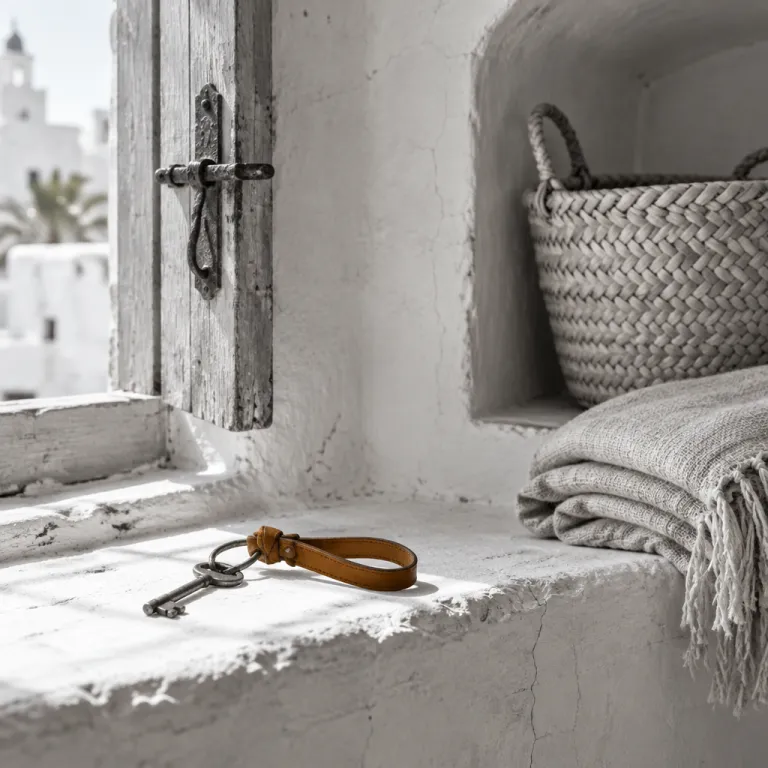
Why a slow travel Tunisia long stay dar changes your trip
Settling into a slow travel Tunisia long stay dar shifts your mindset from passing through to quietly belonging. Over several weeks you stop counting sights and start counting small rituals: the walk to the corner bakery in the Tunis medina, the evening glass of mint tea on a rooftop, the neighbour who begins to greet you by name. With time, the country feels less like a backdrop for a quick trip and more like a layered home where Roman ruins, the call to prayer and Mediterranean light share the same narrow street.
In Tunis, a month in a restored dar inside the medina lets you build a routine that no day tour can match. You learn which stall has the freshest water mint for your mint tea, which family presses the best olive oil, and how the rhythm of the day changes between the cool mornings and the blue hour when the palm fronds above the courtyard finally stop shimmering. This is where the idea of a slow travel Tunisia long stay dar becomes tangible: the house itself, with its central courtyard and thick walls, teaches you how Tunisians have always managed heat, privacy and hospitality.
Choosing a traditional house as your base also reframes how you visit Tunisia as a whole. Instead of racing from Carthage to Dougga to the Sahara desert in a single compressed Tunisia itinerary, you can plan Roman ruins and desert excursions as unhurried arcs that begin and end in a familiar home. One week you might focus on Tunis Carthage and the Bardo Museum, another on a long day tour to Dougga or a night under the sand dunes near Ksar Ghilane, always returning to the same door in the medina. As one host in Tunis told me, “By the second week you stop asking where the sights are and start asking where the good tomatoes are” — a small sign that the dar has become your temporary address in North Africa.
From medina courtyards to desert ksour: choosing your long stay base
For many independent travelers, Tunis is the most practical starting point for a slow travel Tunisia long stay dar. The city combines an atmospheric Tunis medina, the archaeological weight of Tunis Carthage and easy access to the Bardo Museum, all while keeping you connected for remote work or extended time away. Staying in a dar here means you can treat each day as either a deep dive into one neighbourhood or a launchpad for wider travel across the country.
Once you feel grounded in Tunis, consider a second long stay in the south where the desert begins to reshape the horizon. Around Ksar Ghilane, luxury tented camps sit near a Roman fort and hot spring; this is one of the rare places where you can soak in warm water, ride across sand dunes and sleep under a sky that feels like a private planetarium. Our detailed guide to a night at Ksar Ghilane explains how to balance comfort with authenticity in this edge-of-the-Sahara setting.
Film lovers often weave a visit to the Star Wars locations into their Tunisia itinerary, and a slow travel Tunisia long stay dar makes that easier to do without rushing. Base yourself for several days near Matmata to explore the troglodyte houses and stay at Sidi Driss, the most famous of the Star Wars filming sites, then continue to ksour such as Ksar Ouled Soltane and Ksar Ouled Debbab where grain stores stack like sculptural beehives. From these desert outposts you can plan a thoughtful day tour into the Sahara desert, returning each night to the same dar or ksar courtyard where the palm trees frame a sky bright enough to be called a desert planet.
Autumn and winter: the quiet seasons that reward patience
Low season in Tunisia is when a slow travel Tunisia long stay dar reveals its full value. Autumn and winter bring softer light, cooler air and fewer crowds, which means you can linger longer in the Tunis medina or at Carthage without feeling pressed by the day. Prices for long stays often become more negotiable, and hosts are more willing to discuss monthly rates that make extended time in a dar surprisingly accessible.
In the north of the country, the forests and hills feel especially suited to this slower rhythm. Our feature on autumn in the Kroumirie cork forests shows how northern Tunisia rewards travelers who trade beach clubs for misty mornings and long walks under cork oaks. From a dar in Tunis you can plan unhurried day trips into this region, returning in the evening to share mint tea with your neighbours and talk about how different the country feels away from the coast.
Further south, the Sahara desert becomes more comfortable to explore when the heat eases. A day tour from a desert dar near Ksar Ghilane or Douz lets you ride across sand dunes, visit palm oases and drink sweet mint tea under the stars without the intensity of summer temperatures. This is also the best time to visit Tunisia’s Roman ruins such as Dougga or the sites around Tunis Carthage, where the low sun sharpens every column and mosaic while the crowds thin to a trickle.
Living like a temporary local: routines, markets and everyday luxury
What elevates a slow travel Tunisia long stay dar from a simple rental to a transformative base is the way it reshapes your daily life. Instead of hotel breakfast buffets, you buy warm flatbread from the same baker each morning, then drizzle it with peppery Tunisian olive oil in your courtyard while the city wakes. Over time you learn which medina alleys lead to the quietest cafés, which grocer keeps the best seasonal fruit and where to refill your water without plastic waste.
In Tunis, Sidi Bou Saïd and coastal towns like Sousse, the medina becomes your pantry and living room. You might spend one day exploring the blue and white lanes of Sidi Bou, sipping mint tea above the sea, and another wandering the covered souks of the Tunis medina where goldsmiths, perfumers and textile sellers have worked for generations. Evenings are for simple pleasures: grilling fresh fish on the rooftop of your dar, tasting different varieties of olive oil, or sharing a plate of brik with neighbours who are curious about your long stay.
When you travel south toward Djerba or the desert, the same principles apply. On Djerba, a long stay in a traditional house lets you cycle between palm groves, whitewashed villages and the sea, while regular visits to the market teach you the cadence of island life. In the desert regions near ksour such as Ksar Ouled Soltane or Ksar Ouled Debbab, you might help prepare couscous in troglodyte houses, taste dates straight from the palm and listen to stories about how the country’s history stretches from Roman times to the era of Star Wars in a single breath.
Planning the practicalities: what to ask before you rent a dar
Securing the right slow travel Tunisia long stay dar begins with precise questions. Always ask about heating as well as cooling, because thick medina walls stay cool in summer but can feel surprisingly cold in winter if the dar lacks proper systems. Clarify internet speed and reliability, especially if you plan to work remotely, and check how water pressure and hot water are managed in older properties.
Location within the medina matters as much as the house itself. A dar near a main gate in Tunis or Sidi Bou Saïd makes it easier to arrange early morning departures for a day tour to Dougga, Kairouan or the Sahara desert, while a deeper medina address offers quieter nights and more neighbourly contact. When you plan to visit Tunisia for several weeks, map your Tunisia itinerary around a few strong bases rather than many short stops; Tunis for Carthage, the Bardo Museum and the Tunis medina, Djerba for island life and nearby ksour, and a desert base for sand dunes, palm oases and Roman ruins.
For travelers who also enjoy European city breaks, it can be helpful to think of Tunis as a counterpart to Rome. Our guide to refined Rome and Vatican stays shows how a well chosen neighbourhood can shape an entire trip, and the same principle applies in North Africa. Choose a dar that aligns with your priorities — quiet study, market immersion, easy access to desert routes — and treat each day as a chance to deepen your relationship with the country rather than to tick off another sight.
FAQ
How long should I stay in a Tunisian dar to feel settled ?
A minimum of three weeks in a dar allows you to build routines, understand the local medina and plan unhurried day trips. A full month is ideal for a slow travel Tunisia long stay dar, because you can divide your time between city life, Roman ruins and the desert without rushing. Anything shorter tends to feel like an extended holiday rather than a genuine temporary life in the country.
Is autumn or winter better for a long stay in Tunisia ?
Both seasons work well, but autumn usually offers warmer sea temperatures and slightly longer days. Winter brings crisper air, quieter medinas and more comfortable conditions for visiting the Sahara desert, Ksar Ghilane or Roman sites such as Dougga. If you value café time and city wandering, choose autumn; if you prioritise desert and archaeological travel, winter often feels more rewarding.
Which cities are best bases for a slow travel Tunisia long stay dar ?
Tunis is the most versatile base thanks to its medina, access to Tunis Carthage, the Bardo Museum and good transport links. Sidi Bou Saïd works well if you want sea views and a village atmosphere while remaining close to the capital, and Djerba is ideal for combining island life with excursions to ksour and desert landscapes. Many travelers pair a month in Tunis with a shorter long stay in the south to balance urban depth and Sahara horizons.
Can I work remotely from a dar in Tunisia ?
Working remotely is possible, but you must confirm details before booking. Ask the host for recent internet speed tests, check whether power cuts are frequent in that neighbourhood and verify that there is a quiet workspace inside the dar. In larger cities like Tunis and Sfax you can also use cafés and coworking spaces as backups if the connection at home fluctuates.
How do I combine city, desert and Roman ruins in one long stay ?
Start with a dar in Tunis to explore the Tunis medina, Carthage and the Bardo Museum over several unhurried days. From there, plan a day tour or overnight trip to Dougga and other Roman ruins, then move south to a desert base near Ksar Ghilane or Djerba for sand dunes, palm oases and ksour such as Ksar Ouled Soltane. This structure keeps your Tunisia itinerary focused on a few strong bases while still allowing you to visit Tunisia’s key landscapes without constant packing and unpacking.