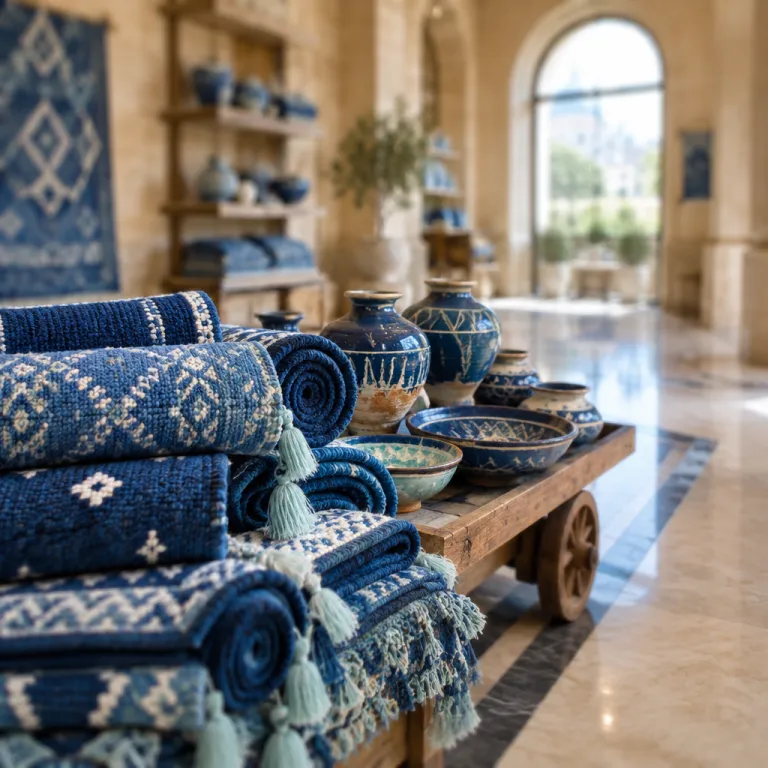
Why Tunisia’s craft trails matter for luxury‑minded families
In Tunisia, buying pottery, carpets or a piece from the souk turns a simple purchase into a story. For families used to polished Vatican galleries and quiet piazzas, this North African energy feels immediate yet surprisingly gentle for children. You move from one maker to another, collecting objects that hold memories rather than just price tags.
Think of it as a parallel to choosing a luxury hotel near Saint Peter’s Basilica, where every piece of wood, copper or brass detail and hand painted fresco has a provenance. In Tunisia the same care applies to regional crafts, from Sejnane pottery to Kairouan carpets and the leather goods stacked in the medina of Tunis, and each craft is part of a living domestic culture rather than a staged show. A good guide in Tunisia will help you read these pieces as you would read art in the Vatican Museums, turning each bowl, rug or lamp into a chapter of a wider Mediterranean narrative.
For premium families planning travel, this means a circuit of Tunisian ceramics, textiles and souks can sit alongside Rome and Vatican City in a single itinerary. You might spend a morning under the Vatican dome, then fly south to walk the Tunis medina with a licensed guide who knows which carpets and kilims come from Kairouan and which rugs are imported. It is worth knowing that bargaining is expected in many markets, yet this does not mean chaos; many workshops now post fixed prices for hand knotted carpets and hand painted pottery, especially when they supply high end hotels.
Sejnane clay and Nabeul kilns: where pottery becomes a family classroom
Northwest of Tunis, the women of Sejnane shape clay by hand using techniques that UNESCO has recognised on its Representative List of the Intangible Cultural Heritage of Humanity (2018, “Pottery-making skills of the women of Sejnane”). Their pottery skills, passed from mother to daughter, use methods that research traces back around 3,000 years, and the resulting pieces feel closer to sculpture than tableware. For a family used to curated Vatican collections, watching a Sejnane potter work is like stepping behind the museum wall into the restoration studio.
Each piece is formed by hand without a wheel, burnished with a simple tool of wood or bone, then fired in an open air hearth using straw and brush. Natural pigments and smoke give the pottery its warm tones, so every piece carries the mark of the fire and the hand that shaped it. When you bring one of these vessels home, you are not just adding to your Tunisian craft finds; you are anchoring your travel memories in something tactile and unmistakably local.
On Cap Bon, Nabeul offers a different face of Tunisian pottery, with a wide range of glazed plates, bowls and tiles stacked high in the souk. Here you will see hand painted motifs in deep blues and greens, often echoing patterns you might recognise from Roman mosaics or even Vatican floors, and the price spectrum runs from simple everyday crafts to collector level pieces. A small hand painted plate might start around €5–10, while large, signed platters or tile panels from long established workshops can reach several hundred euros. For a deeper look at how this coastal town has become a reference point for regional crafts, the article on Nabeul and the potters’ coast offers a useful guide for planning a family detour.
Kairouan carpets and the etiquette of buying under pressure
Kairouan carpets have a reputation that reaches far beyond Tunisia, and serious collectors often speak of them in the same breath as Persian or Anatolian rugs. In the old quarters of Kairouan, you will find workshops where women knot wool by hand, creating hand knotted carpets and flatwoven kilims that can take months to complete. The atmosphere is intense but not theatrical, and children often watch quietly as the pattern grows line by line.
When you enter a carpet showroom, the choreography feels familiar to anyone who has navigated a Vatican area art dealer. Assistants unroll one carpet after another, explaining the difference between hand knotted Kairouan pieces and machine made rugs, and the price conversation begins almost immediately. It is worth knowing that bargaining is expected as part of the social ritual here, yet many reputable cooperatives, such as the Office National de l’Artisanat–affiliated showrooms, now post fixed prices for certain pieces to reassure first time buyers.
A good guide in Tunisia will help you distinguish between wool from Kairouan and cheaper blends, and will point out how red felt details or specific border motifs signal regional origin. Ask to see the back of the carpet; a dense, even knot structure usually indicates higher quality, especially in hand knotted pieces. A small wool rug might start around €80–150, while large, finely knotted carpets can run into the low thousands. For families, turning this process into a learning moment rather than a hard sell keeps the carpet buying experience enjoyable, and it teaches children how value, labour and craft intersect.
From Tunis medina to Sidi Bou Saïd: mapping the craft‑minded city stay
In the medina of Tunis, the souk system still follows a guild logic, with each alley dedicated to a specific craft. One lane focuses on copper and brass work, where artisans hammer trays and lamps by hand, while another specialises in leather goods that range from simple sandals to finely stitched bags. Walking these streets with children feels like moving through an open air design school, and every turn offers a new lesson in texture and technique.
Near the Great Mosque, you will find shops that mix carpets, rugs and small pieces of olive wood carved into spoons, bowls and religious motifs. Some traders display bottles of local olive oil and boxes of Deglet Nour dates alongside their crafts, turning a simple shopping stop into a full sensory encounter. Fixed prices are more common in these central lanes, but in side alleys haggling remains the norm, and a calm, respectful tone usually leads to a good final price for both sides.
Up on the hill in Sidi Bou Saïd, whitewashed houses and blue doors frame small galleries that curate regional crafts with a more contemporary eye. Here you might find a single hand painted plate from Nabeul displayed like an artwork, or a piece of Kairouan carpet used as a wall hanging in a guesthouse. For an architectural perspective on how Tunisian hotels are integrating such crafts into their spaces, the feature on concrete, zellige and desert light in Tunisia’s new hotel scene offers useful context for design focused travelers.
Hotels, ethics and turning shopping into meaningful family travel
Across Tunisia, high end hotels are rethinking their relationship with regional crafts, moving beyond simple decoration. Many now commission custom carpets and kilims from Kairouan, order hand painted tiles from Nabeul and furnish rooms with olive wood trays or copper and brass lamps made by named artisans. For families used to the curated calm of luxury properties near the Vatican, this transparency about provenance feels both familiar and reassuring.
Ethical buying starts with asking simple questions about who made a piece, how long it took and whether the price reflects that labour. Some hotels organise visits to cooperatives where you can see women weaving Kairouan carpets or shaping pottery by hand, and where fixed prices support stable incomes rather than short term bargaining wins. When you choose to buy your Tunisian souvenirs in these settings, you are aligning your travel habits with the same care you expect from a premium hotel’s supply chain.
For children, these encounters turn a rug or a bowl into a story about patience, skill and community. They learn that a hand knotted carpet is not just a pattern on the floor but months of concentrated work, and that a simple piece of red felt or leather can carry regional identity. In this sense, Tunisia’s craft trails echo the educational power of a Vatican visit, but with more room for touch, conversation and the quiet satisfaction of bringing home something made just for you.
FAQ
Is bargaining always expected in Tunisian souks ?
In most traditional souks, bargaining is expected and sellers anticipate some negotiation. However, many cooperatives and hotel linked shops now use fixed prices, especially for high quality carpets and certified regional crafts. When in doubt, ask politely whether the price is negotiable before starting a long discussion.
How can I tell if a Kairouan carpet is hand knotted ?
Turn the carpet over and examine the back; hand knotted Kairouan carpets show individual knots and slight irregularities, while machine made rugs look more uniform. The weight and feel of the wool also differ, with authentic pieces usually feeling denser and more supple. Buying from a recognised cooperative or with a trusted guide in Tunisia further reduces the risk of misrepresentation.
Are Sejnane pottery pieces safe to use for food ?
Sejnane pottery is traditionally made for domestic use, but firing temperatures and finishes can vary between workshops. Many travelers choose to use these pieces for dry foods or purely decorative purposes, especially when they value the craft as art. If you plan to use a piece for cooking or liquids, ask the maker directly about its intended function.
What should families budget for quality crafts in Tunisia ?
Prices vary widely depending on size, materials and the time invested in each piece. Small hand painted ceramics or olive wood utensils can be very affordable, often under €15, while large hand knotted carpets or intricate copper and brass work command higher prices. Setting a clear budget before entering a busy market and discussing it with your guide helps keep the experience relaxed.
Can I ship carpets and pottery home rather than carry them ?
Most reputable carpet dealers and some larger pottery workshops offer international shipping with insurance options. Always check the total price including packing and customs paperwork, and keep all receipts for border formalities. For fragile pieces, ask to see how they will be packed, expect to pay around €40–80 for sturdy boxing and padding on a medium parcel, and photograph the condition before leaving the shop.