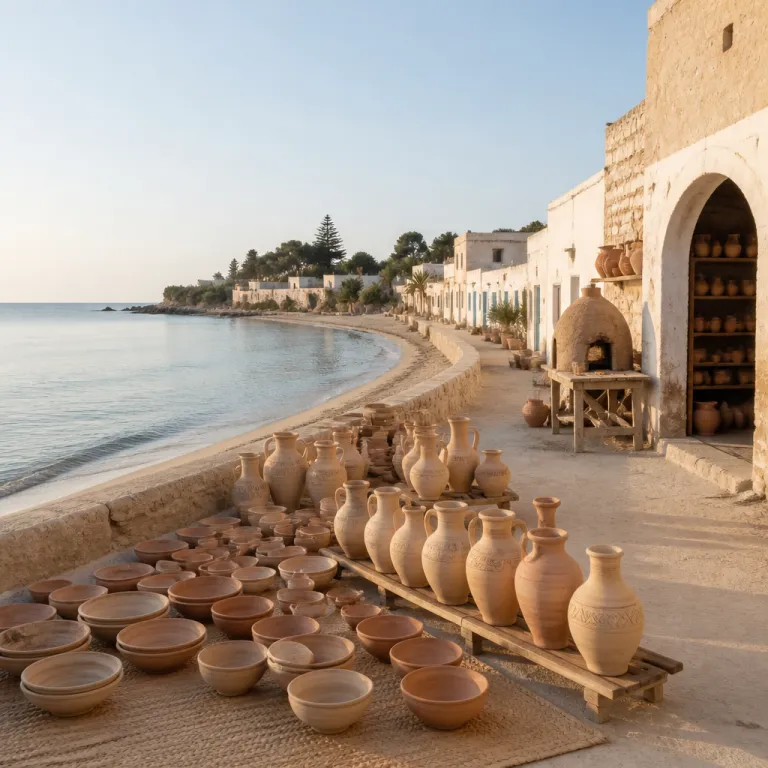
Nabeul Tunisia pottery family journeys: why the potters’ coast suits slow luxury
Nabeul sits on the Cap Bon peninsula, an hour east of Tunis by car or train, and quietly shapes how Tunisia looks on tables worldwide. Families who care about art, food and thoughtful hotels will find that weaving ceramics into a coastal break turns a simple beach holiday into something layered and memorable. In a country where resort buses rush straight to Hammamet, this potters’ coast rewards anyone willing to slow down, meet makers and stay a little longer.
The town is the administrative capital of Cap Bon and the beating heart of Tunisian ceramics production. The Tunisian National Office of Handicrafts and regional tourism boards describe Nabeul as the country’s main pottery centre, and walking its streets you quickly see why: almost every lane seems to hide a kiln, a drying yard or a stack of painted plates waiting for the souq. For a family interested in Nabeul Tunisia pottery, that density of workshops makes it easy to move between culture, sea views and ice cream stops with children in tow.
What is Nabeul known for? Nabeul is renowned for its traditional pottery and ceramics, from everyday bowls to finely painted platters and tiles. That reputation shapes everything from the Friday market layout to the hotel lobbies, where ceramics pieces often replace generic décor. When you plan a stay here, you are not adding a side excursion; you are sleeping inside the ecosystem that keeps traditional Tunisian craft alive today.
Hands-on pottery workshops: where children meet Tunisian artistry
The most powerful way to understand Nabeul pottery is to sit at the wheel with a local artisan. Many potters open their doors to families, and a well planned morning can include throwing a small bowl, glazing tiles and watching the firing process. Local tour guides and hotel concierges know which ceramics studios are patient with children and which focus on collectors and wholesale buyers.
Some workshops offer structured sessions where a master potter shapes one piece while your child mirrors the movements on a smaller lump of clay. Can visitors participate in pottery making? Yes, several studios offer hands-on pottery sessions, often lasting 60–90 minutes. For a more meaningful family experience, ask specifically for classes that explain how traditional Tunisian motifs relate to southern Tunisia history, from Amazigh symbols to Ottoman inspired borders and Andalusian floral patterns.
Glazing tables become colour laboratories where kids choose the blues of nearby Hammamet or the warm ochres of inland Tunisia. You will see shelves of painted bowls, each one a lesson in Tunisian artistry and local symbolism, from pomegranates and fish to stylised jasmine. When you buy directly from a Nabeul ceramics studio after such a session, you support the artisans’ income at a fair price and carry home something more personal than a generic souvenir.
The Friday market and souk: navigating prices, crowds and the best finds
Fridays change the rhythm of Nabeul completely, as the weekly market spills across streets and draws traders from across Cap Bon. The Friday market, often called souk el-Jemaa, is one of the largest in Tunisia and should anchor any ceramics-focused family itinerary. When is the best time to visit Nabeul? Fridays are ideal to experience the weekly market at full strength.
Arrive early, ideally between 07:30 and 09:00, when the air is still cool and the crowds are mostly local. This is when you can compare prices calmly, ask questions about clay origins and watch how Nabeul pottery is stacked, bargained over and loaded into vans for Hammamet medina shops. Later in the morning, the souk becomes louder and more theatrical, which can be fun for older children but tiring for younger ones.
Stalls range from everyday Tunisian produce to rows of ceramics, from simple white bowls to intricately painted platters. Use Nabeul’s reputation as Tunisia’s pottery capital to focus on authentic local work rather than mass produced imports, checking the base for the maker’s mark and feeling the weight in your hand to judge quality. Bargaining is expected, but remember that a small difference in price can mean real support for a family workshop today; many visitors aim for a discount of around 10–15% rather than pushing to the lowest possible figure.
Orange blossom, mosaics and sea views: culture at a child-friendly pace
Beyond pottery, a Nabeul Tunisia pottery family trip unfolds through scent, stone and sea. In spring, orange blossom distilleries around Nabeul and Hammamet perfume the air, and many allow short visits where children can see copper stills and taste a drop of ma zhar in water. A distiller explaining how many kilos of flowers go into a single litre of essence often fascinates older children and teens.
The Nabeul archaeological museum offers Roman mosaics at a scale that works for families, compact enough to visit in under an hour. Panels from nearby sites show fish, vines and everyday scenes that echo what children see in the market today, creating a bridge between ancient and modern Tunisia. For a ceramics-minded family, it is an ideal first museum stop before tackling larger collections in Tunis or El Jem, and staff are usually happy to point out kid-friendly highlights.
When attention spans fade, the town beach waits a short walk away, with long views across the Gulf of Hammamet. The sand is softer than many expect, and the atmosphere feels more local than in resort zones further south, with families strolling at sunset and teenagers playing football. If you have a car, quieter coves toward Kélibia offer a more secluded take on the potters’ coast, perfect for ending a day spent among painted plates and busy souks.
Linking Nabeul with Hammamet medina and the wider Cap Bon loop
Nabeul and Hammamet sit only about 15 minutes apart by road, yet they offer very different moods. Hammamet medina leans into whitewashed alleys, sea facing ramparts and a denser cluster of luxury hotels, while Nabeul keeps its focus on workshops, markets and everyday Tunisian life. For families, the smartest move is to treat the two as complementary rather than competing, using one as a calm base and the other as a cultural playground.
Many premium travellers base themselves in a refined property near Hammamet medina, then plan repeated day trips to Nabeul for pottery, the Friday market and museum visits. Others choose a quieter guesthouse near the town limits, trading resort amenities for direct contact with artisans and easier access to the souk. Either way, the short transfer makes it simple to balance resort downtime with authentic cultural immersion, even with younger children who tire quickly.
From Nabeul, the rest of Cap Bon opens up in an easy loop that rewards slow travel. Kélibia brings crystalline water and a hilltop fortress with wide views, while El Haouaria and Korbous hot springs hint at the wilder edges of southern Tunisia landscapes. A route that links these stops lets children connect the dots between ceramics motifs, coastal colours and the agricultural fields that sustain the region’s citrus and jasmine industries.
Choosing family-friendly stays: art, comfort and honest value
For families used to luxury hotels in Rome or Paris, Nabeul’s accommodation scene feels more understated but increasingly design aware. You will not find marble lobbies lined with global brands, yet you will see thoughtful uses of local pottery in headboards, lamps and tableware. The best properties understand that their role is to frame Tunisian artistry rather than overshadow it, often working directly with neighbourhood workshops.
When comparing options, look beyond headline prices and check how each place supports local craft. Do rooms feature authentic Nabeul ceramics and textiles, or generic imports that could be from anywhere in Tunisia today? Are there partnerships with local potters or trusted tour guides to arrange workshops for families, or is culture left entirely to guests to organise alone? A quick email before booking can reveal how seriously a hotel takes these questions.
Think in terms of location, atmosphere and narrative, not just star ratings. In Nabeul Tunisia, that might mean choosing a small hotel that commissions tableware from neighbourhood artisans, or a guesthouse that hosts evening talks on Tunisian artistry and Cap Bon history. These details turn a simple night’s sleep into part of your family’s pottery story, and children often remember the people behind the plates as much as the beaches.
Practical tips for a Nabeul Tunisia pottery family detour
Planning a Nabeul Tunisia pottery family escape starts with timing. Visit on Fridays for the weekly market, which typically runs from early morning until mid-afternoon. If you can, add a spring stay when orange blossom distillation peaks and the whole of Cap Bon smells like a perfumer’s laboratory, usually from late March to April depending on the year’s harvest.
Transport is straightforward, with regular taxis between Hammamet and Nabeul and easy highway access from Tunis; the drive from the capital usually takes about one hour in normal traffic. Guided tours or self-exploration both work, but families with younger children often appreciate a local tour guide who can translate, steer you to the best ceramics studios and help negotiate fair prices. Bargain when purchasing pottery, yet remember that a slightly higher price can sustain traditional Tunisian craftsmanship in a region facing pressure from cheaper imports.
Check workshop hours in advance, as some Nabeul potters close for prayer times or family commitments, especially outside peak season. Increased interest in authentic cultural experiences has encouraged more studios to welcome visitors, yet capacity remains finite and smaller kilns can only host a few people at a time. Rising popularity of handmade ceramics means that the most unique painted pieces often sell early in the day, another reason to start your explorations before the market crowds build.
Key figures on Nabeul ceramics and cultural travel
- Nabeul is widely cited by Tunisian tourism and craft organisations as the country’s leading ceramics hub, concentrating a large share of national pottery production in one compact town and exporting pieces across North Africa and Europe.
- The Friday market in Nabeul is one of the largest weekly markets in Tunisia, drawing traders from across Cap Bon and significantly boosting local craft sales each week, especially before religious holidays and summer.
- Pottery workshops in Nabeul operate year-round, with daily activity that allows families to schedule hands-on sessions in any season, not only during peak holidays, though spring and autumn offer the most comfortable temperatures.
- Cap Bon’s role as an agricultural heartland, with extensive citrus groves and jasmine fields, underpins both the orange blossom distillation industry and the motifs seen on many Nabeul ceramics, where lemons, flowers and vines appear again and again.
FAQ about Nabeul, pottery and family travel
What is Nabeul known for beyond its beaches?
Nabeul is best known as Tunisia’s pottery capital, hosting a dense network of workshops and kilns that supply ceramics across the country. The town also stands out for its Friday market, orange blossom distilleries and a compact archaeological museum with Roman mosaics. Together, these elements make it a strong cultural base for families, not just a coastal stop.
When is the best time to plan a Nabeul Tunisia pottery family trip?
Fridays are ideal if you want to experience the full energy of the weekly market and see how Nabeul pottery moves from workshop to stall. Spring adds the bonus of orange blossom distillation, which fills the air with fragrance and offers extra visits for curious children. Outside those peaks, any season works, as most ceramics studios operate year-round and the sea remains a constant backdrop.
Can visitors participate directly in pottery making with children?
Yes, several Nabeul potters offer hands-on sessions where adults and children can try the wheel, shape simple forms and sometimes glaze tiles. Booking through local tour guides or contacting studios in advance helps ensure that the class matches your children’s ages and attention spans, and that an English or French speaking assistant is available.
How do I avoid low quality ceramics and support authentic artisans?
Focus on stalls and shops that can explain where their clay comes from and show you the kiln or workshop, rather than purely reselling items. Authentic Nabeul ceramics usually carry a maker’s mark on the base and feel well balanced in the hand, with painted designs that reference Tunisian artistry rather than generic patterns. Buying directly from studios or long standing market traders ensures that more of the price you pay reaches the artisans themselves.
Is Nabeul easy to combine with Hammamet and other Cap Bon destinations?
Nabeul lies about 15 minutes by road from Hammamet, making it simple to split your stay between a resort style hotel and a more immersive town base. From there, you can extend your route along Cap Bon to Kélibia, El Haouaria and Korbous hot springs, creating a loop that mixes beaches, archaeology and craft. This structure works particularly well for a Nabeul Tunisia pottery family trip that balances culture with downtime.