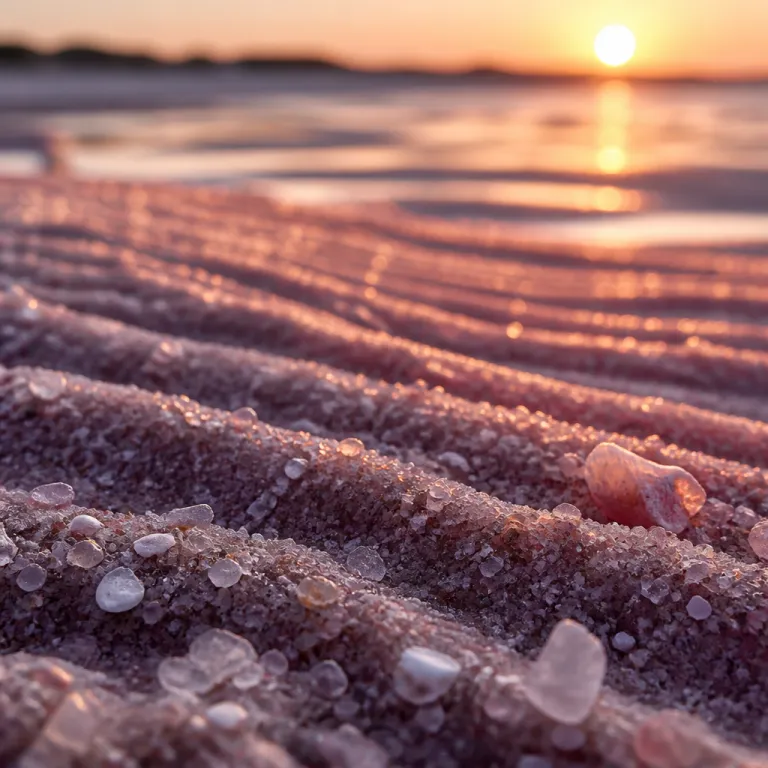
Kerkennah Islands Tunisia travel for luxury travelers tired of resorts
Kerkennah sits low on the horizon off Sfax, an island chain where the sea feels almost shy. For travelers used to polished lobbies and infinity pools, a Kerkennah Islands escape offers something rarer: a quiet, slow luxury built around time, space, and the rhythm of traditional fishing. This is the kind of place where each day feels deliberately unprogrammed, yet every small experience stays with you.
The archipelago belongs to the Sfax Governorate in Tunisia, but it feels far from any busy city Tunisia can offer. The population is modest, with only a few tens of thousands of residents according to recent census data, and life on Kerkennah moves at a pace that makes even other islands Tunisia seem hurried. For solo travelers seeking authentic travel rather than spectacle, these islands are a well-preserved alternative to crowded Mediterranean shores.
Kerkennah is also central to Tunisia’s blue economy and eco tourism strategy, which positions the archipelago as a living laboratory for sustainable coastal development. Authorities frame travel to the Kerkennah Islands as part of an “Alternative Tourism” movement, where visitors value culture, nature, and community over volume and nightlife. That context matters when you plan a trip here, because your visit directly supports traditional fishing communities and conservation projects such as seagrass monitoring and charfia preservation, often carried out in partnership with local universities and marine researchers.
Local tourism agencies describe the destination in simple terms that match what you will actually experience. “Use local ferries from Sfax.” “Respect local customs.” “Explore by bicycle.” These three short recommendations capture the essence of a Kerkennah escape better than any glossy brochure, and they reflect how residents themselves move around the islands.
Reaching Kerkennah from Sfax and first impressions on the islands
Every Kerkennah Islands Tunisia travel story begins in Sfax, a working port city often overlooked by resort-focused visitors. The public car and passenger ferry operated by the national company Compagnie Tunisienne de Navigation (CTN) runs several times a day from the main port, and the crossing to the island group takes around an hour, depending on sea conditions. The journey sets the tone: low waves, fishing boats, and a horizon broken only by palms and the occasional charfia, the traditional fishing barrier. If you are used to private transfers and airport lounges, the Sfax–Kerkennah ferry will feel refreshingly simple yet surprisingly efficient.
How to reach Kerkennah Islands? The official guidance is clear and accurate: take the ferry from Sfax, buy your ticket at the terminal ticket office on the day of travel or shortly before, and board with locals carrying crates of vegetables and fishing gear. Once you arrive, the port area is compact, with shared taxis and small buses waiting to distribute travelers across the islands along the main coastal road. This first contact with Kerkennah is not about spectacle, but about entering a place where the sea and fishing methods still dictate the timetable.
From the ferry deck you will see the flat outline of each island, the fine sand beaches, and the shallow sea that glows pale turquoise. Traditional boats used for charfia and other fishing techniques sit anchored close to shore, a reminder that fishing is not a staged activity but the backbone of life here. One local fisherman interviewed during a regional tourism workshop summed it up simply: “If the sea is calm, we work. If the sea rests, we rest.” For many travelers, this first view is the moment they understand why a trip to Kerkennah feels so different from a standard Mediterranean break.
Once on land, you can arrange a bike tour directly at the port or through your guesthouse, which is one of the best ways to explore at your own pace. Roads are quiet, distances are short, and every ride will take you past palm groves, small villages, and stretches of empty coast. If you are combining Kerkennah with a mainland cultural itinerary, pairing it with Roman sites and luxury stays near Carthage, El Jem, and Dougga through a curated guide to Roman ruins and luxury stays in Tunisia creates a balanced, high-end trip.
Life on the islands: fishing villages, fine sand and slow Mediterranean days
Daily life on Kerkennah revolves around the sea, palm agriculture, and the subtle art of doing very little with intention. When you walk through the villages, you will see fishermen repairing nets, children cycling between houses, and women preparing fish in shaded courtyards. This is where Kerkennah Islands Tunisia travel becomes less about sightseeing and more about absorbing a typical island rhythm that has changed slowly over generations.
The beaches are long, with fine sand and shallow water that stays warm for much of the year, making the islands ideal for relaxed swimming rather than adrenaline sports. You will not find loud beach clubs here; instead, you may share a stretch of coast with a few local families and the occasional solo traveler reading under a palm. For many visitors, that sense of space is the real luxury, especially when compared with crowded resort strips elsewhere in Tunisia.
Fishing is omnipresent, and traditional methods such as charfia are still widely used, with wooden stakes forming labyrinths in the sea to guide fish into traps. Local guides can explain these techniques in detail, turning what might look like simple structures into a fascinating lesson in sustainable resource management. Joining a small boat for a morning to observe traditional fishing gives you an experience that feels both intimate and deeply rooted in Kerkennah’s history, particularly around villages like Ouled Yaneg and Sidi Youssef.
Food follows the same pattern of simplicity and depth, with grilled fish, fresh salads, and local olive oil forming the backbone of most meals. A typical day might start with coffee at a café near the port, continue with a bike tour along the coast, and end with grilled fish eaten at a small restaurant while the sun sinks into the sea. Families planning a trip that balances culture and relaxation can easily combine time on Kerkennah with a broader itinerary, using resources like this guide to planning a luxury family holiday from Tunis to the coast to structure their route.
Where to stay: from simple guesthouses to eco minded retreats
Accommodation on Kerkennah Islands is limited in volume but rich in character, which suits travelers who prefer intimacy over spectacle. You will find small hotels and guesthouses scattered along the coast, often run by families who understand both traditional hospitality and the expectations of international travelers. Rooms tend to be simple yet comfortable, with the real luxury coming from sea views, silence, and the ability to walk straight onto the beach.
Some properties position themselves as eco lodges, integrating solar power, water-saving systems, and local materials into their design, which aligns with Tunisia’s eco tourism and blue economy ambitions. These stays often include experiences linked to traditional fishing, bike excursions, and tastings of local olive oil, turning your Kerkennah Islands Tunisia travel into a coherent, low-impact trip. Because the islands are small, you can easily visit different parts of the archipelago during one stay, using your accommodation as a calm base between outings.
For travelers used to luxury hotels near the Vatican or high-end city Tunisia properties, Kerkennah will feel like a deliberate step sideways rather than a downgrade. The service is personal, the pace is slow, and the emphasis is on genuine connection rather than elaborate amenities. If you appreciate refined urban stays, you might pair Kerkennah with a few nights in Rome at an elegant address near the Vatican, using a guide to refined stays near the Vatican to keep the same standard of curation on both sides of the Mediterranean.
Because many properties are small, planning trip details early is essential, especially if your Kerkennah Islands Tunisia travel falls during local holidays or summer weekends. Always check each hotel’s privacy policy, booking conditions, and sustainability commitments before confirming, as policies can vary widely between island stays. When you arrive, do not be surprised if the owner greets you personally and offers a taste of local fish or olive oil as a welcome gesture, setting the tone for a stay that feels more like visiting a home than a hotel.
Sustainable Kerkennah: authentic travel in a fragile island ecosystem
Kerkennah’s shallow sea, seagrass meadows, and low-lying islands form a delicate ecosystem that both sustains and depends on traditional fishing. The Tunisian government has identified the archipelago as a key area for eco tourism and scientific projects, linking Kerkennah Islands Tunisia travel to broader blue economy goals. For travelers, that means every visit carries both responsibility and opportunity.
Authentic travel here starts with simple choices: walking or cycling instead of driving, supporting local guides, and learning about fishing methods that have shaped life on Kerkennah for centuries. When you join a boat to observe traditional fishing, ask about how charfia structures help manage fish stocks and protect the sea floor. Respecting no-go zones, avoiding litter, and choosing reef-safe sunscreen are small actions that help keep the islands’ environment well preserved.
Cultural sustainability matters just as much as environmental care, especially in a place where the population is small and outside influences arrive quickly. Spend time in the Sfax medina before or after your Sfax–Kerkennah ferry crossing, tasting street food and exploring markets where islanders sell fish and olive oil. That way, your trip becomes part of a wider narrative that links city Tunisia life with island traditions.
When you share your trip, be thoughtful with every photo credit and caption, highlighting the people and practices that make Kerkennah unique rather than turning it into just another “hidden gems” list. Luxury travelers who value discretion will appreciate that the islands still feel under the radar, and responsible storytelling helps keep it that way. In the end, Kerkennah rewards those who travel lightly, stay longer, and let the sea set the schedule for each day.
Combining Kerkennah with Sfax and wider Tunisia itineraries
Kerkennah Islands Tunisia travel works best as part of a broader Tunisian itinerary that balances city energy, historical depth, and coastal calm. Sfax is the natural gateway, with its medina, port, and markets offering a grounded counterpoint to the islands’ quiet lanes. Spending at least one day in Sfax before or after your Sfax–Kerkennah crossing allows you to understand how the city and islands depend on each other.
In the medina, you can taste grilled fish, brik, and pastries that showcase the region’s produce, including olive oil from surrounding groves. Many islanders maintain ties with the city Tunisia mainland, selling fish and other products in Sfax while keeping their homes on the islands. That duality gives Kerkennah Islands Tunisia travel a richer context than a simple beach escape and helps you see how local economies are intertwined.
From Sfax, it is easy to extend your trip towards other coastal or inland regions, whether you are drawn to Roman ruins, desert landscapes, or northern capes. Some travelers structure their planning around alternating intense cultural days with slower island time, using Kerkennah as a reset between museum visits and medina walks. Solo travelers in particular appreciate how the island’s scale and safety make it an ideal base for reflection between more demanding stages of their journey.
As you design your route, keep logistics, seasonality, and personal pace in mind, because the ferry schedule and local climate will shape your movements. Remember that Kerkennah’s charm lies in its quiet, so avoid packing too many activities into each day and leave room for unplanned conversations with fishermen or café owners. With that mindset, Kerkennah Islands Tunisia travel becomes not just a stop on your map, but the place you remember most vividly when the trip is over.
FAQ about Kerkennah Islands Tunisia travel
How do I reach the Kerkennah Islands from the mainland ?
The most practical way to reach Kerkennah is by ferry from Sfax, which is the main port city Tunisia uses as a gateway to the archipelago. Official guidance confirms this route clearly: take the CTN-operated ferry from the Sfax terminal, where crossings run several times a day and the journey usually takes about an hour. This reliable connection makes it easy to integrate Kerkennah Islands Tunisia travel into a wider itinerary.
What kind of activities can travelers expect on the islands ?
Activities on Kerkennah focus on low-impact, authentic travel rather than high-adrenaline sports. Visitors can enjoy beach relaxation on fine sand, cultural walks through villages, bike outings, and boat trips to observe traditional fishing techniques such as charfia. Many travelers also spend time tasting grilled fish and local olive oil, turning each day into a gentle exploration of life on Kerkennah.
Is there accommodation suitable for premium travelers on Kerkennah ?
While you will not find large luxury resorts, Kerkennah offers a selection of comfortable small hotels, guesthouses, and eco-minded lodgings. These properties often provide sea-facing rooms, attentive service, and curated experiences like guided fishing demonstrations or private boat outings. For premium travelers, the real luxury lies in privacy, quiet beaches, and the sense of staying in a place still well preserved from mass tourism.
When is the best season to plan a trip to Kerkennah ?
The islands enjoy a mild Mediterranean climate, with long warm periods that suit swimming and outdoor activities. Many travelers prefer spring and autumn for Kerkennah Islands Tunisia travel, when temperatures are pleasant and the sea remains inviting but crowds are minimal. During these seasons, a typical day can include cycling, time by the sea, and relaxed meals without the heat extremes of high summer.
Can Kerkennah be combined with other destinations in Tunisia ?
Kerkennah combines naturally with Sfax, where the medina and markets provide a strong cultural counterpoint to the islands’ calm. From Sfax, travelers can continue towards Roman sites, desert regions, or northern coastal towns, using Kerkennah as either a starting point or a restorative pause. This flexibility makes Kerkennah Islands Tunisia travel a valuable component of both short coastal breaks and longer, more ambitious itineraries across Tunisia.