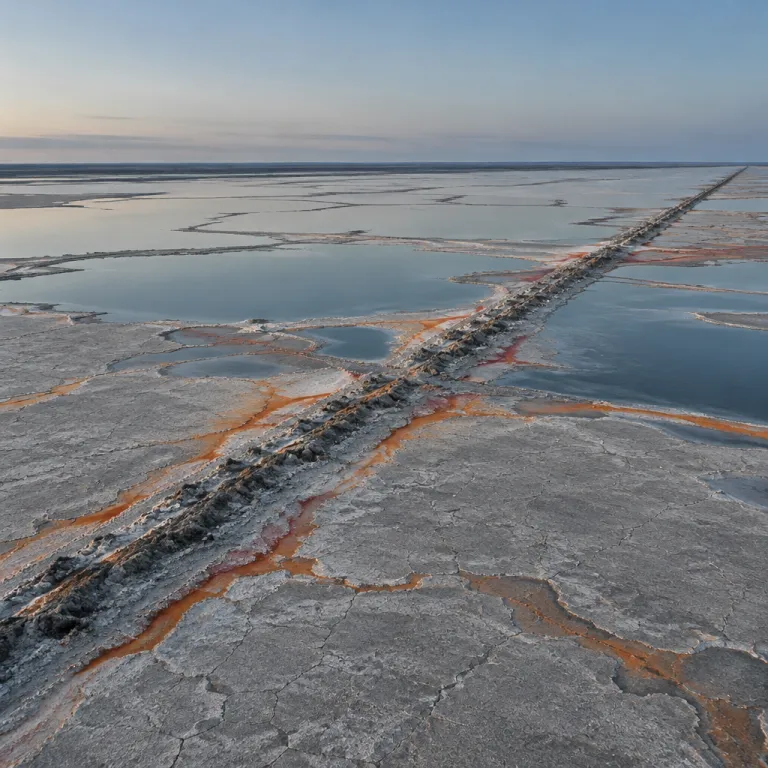
Why sunrise over the Chott el Jerid changes how you see Tunisia
From the gondola shadow of the Vatican to the basket of a balloon above Chott el Jerid, luxury travelers know that altitude rewrites perspective. At dawn this vast Tunisian salt lake stretches as a pale mirror, and the first light pulls color from every grain of salt and every distant palm. The result is a quiet, cinematic experience that feels both intensely personal and rooted in the rich history of southern Tunisia.
This immense salt pan sits in southern Tunisia between Tozeur and Nefta, where the surrounding desert begins to lean toward the Sahara proper. From the air you see how the chott forms a natural threshold, a flat white sea that once shaped caravan routes and still dictates where an oasis can exist. Couples who visit often say that a day full of sightseeing in the medina feels different after they have watched this landscape from above.
Seen from ground level, the lake can resemble a simple salt flat, but the aerial view reveals subtle textures and shifting tones. Bands of rose, silver, and ochre cut across the surface, and the thin road that crosses the Tunisia chott looks almost fragile against the vast natural expanse. For travelers used to choosing the best rooftop bar or terrace suite, this is the same instinct taken further, using height to explore Tunisia as a layered, living landscape rather than a checklist of sights.
The dawn flight: timing, seasons and what to expect
A sunrise flight over Chott el Jerid works because the light is still low and the air is cool. In these conditions the salt lake reflects the sky like glass, and the mirage effect over the surrounding desert is at its most theatrical. By mid morning the sun flattens the colors, so couples who want the best experience should be ready well before day breaks.
Season matters as much as timing, since heat and wind shape what you see over the chott and the wider Sahara landscape. Cooler months in southern Tunisia, typically from October to April, usually offer clearer air, calmer conditions and a more comfortable day full of activity before and after the flight. Typical hot-air balloon or light-aircraft experiences last around 45 to 75 minutes in the air, with prices often starting from the low hundreds of euros per person, but always verify any operator, safety credential and pricing directly with the official provider before booking, because standards and availability can change.
From the basket you trace the line where the salt flat ends and the first oasis begins, watching how the Tunisia chott holds back the dunes like a white sea. The pilot will usually adjust altitude to help you find the best angles on the lake, the surrounding desert and the distant palm groves of Tozeur and Nefta. Transfer times from town to launch sites are often around 20 to 40 minutes, and if you enjoy design led coastal stays, you can pair this with a few nights in Gammarth, using a curated guide to where to stay in Gammarth for design led luxury as a coastal counterpoint to the raw beauty of the Sahara.
Fitting an aerial morning into a Tozeur and Nefta itinerary
Planning a Chott el Jerid sunrise flight starts with where you sleep the night before. Most departures leave from near Tozeur or Nefta, so staying close to the salt lake shortens the pre dawn transfer and keeps the experience relaxed. Couples who value slow mornings can arrange breakfast on return, turning the whole day into a gentle arc from desert silence to medina life.
After landing you have a full day to explore Tunisia on the ground, moving from the stark salt flat to the shaded streets of Tozeur. The town’s brick architecture and palm filled oasis gardens tell the rich history of how people learned to live between the lake and the Sahara, using every drop of water that the natural springs provide. Many travelers pair visiting the chott with an afternoon in the medina, then an evening tasting local dates and simple desert cuisine.
If you are tracing a longer route through the country, consider linking this southern Tunisia segment with a stay in Sfax, using a specialist guide on where to stay in Sfax and its authentic medina to balance the trip. The working city’s dense streets contrast sharply with the open landscape of the Tunisia chott and the surrounding desert, giving your itinerary a satisfying rhythm. By the time you return to your hotel, the memory of the salt lake at sunrise will frame every other view you find along the way.
Staying grounded: causeway crossings and edge of lake viewpoints
Not every traveler wants to fly, and Chott el Jerid still shapes your trip even if you stay on the ground. Driving the causeway that cuts across the salt lake lets you feel the scale of the chott at wheel level, with the horizon dissolving into mirage on both sides. Short stops at safe pull offs reveal crusts of salt underfoot and pools of shallow water that mirror the sky.
From these viewpoints you can study the natural geometry of the salt flat, where polygon patterns form and reform with each season. The surrounding desert presses close, and you sense how this lake once acted as both barrier and guide for caravans moving through the Sahara toward the coast. Couples who prefer a slower pace can spend a day full of gentle walks along the edge, using the quiet to reflect on the region’s layered history.
Visiting the chott by road also makes it easier to combine the lake with nearby oasis towns, thermal springs or film locations without the fixed schedule of a flight. You still explore Tunisia through its contrasts, moving from the bright, almost lunar beauty of the Tunisia chott to the dense palms and mud brick villages that fringe the salt. For many guests this grounded experience feels like the best way to find the balance between comfort, safety and a close connection to the landscape.
Where luxury travelers stay: from oasis lodges to Vatican city inspiration
Choosing the right base near Chott el Jerid is as important as picking the right flight. High end lodges around Tozeur and Nefta often frame the salt lake and the surrounding desert as part of their design, with terraces oriented toward the sunrise and pools that echo the geometry of the chott. For couples, this turns an early start into a seamless ritual, moving from a quiet wake up call to the basket without breaking the mood.
Many luxury travelers who love the precision of a Vatican city stay look for similar standards when they visit southern Tunisia. The same attention to detail that defines an elegant stay near the Sistine Chapel, as outlined in a guide to luxury hotels for an unforgettable Vatican escape, can be applied when you find the best oasis property for a desert break. You want discreet service, reliable transfers to the salt lake and staff who understand how to time your day around the changing light over the Sahara.
Back at your lodge after visiting the chott, the contrast between the raw salt flat and the softness of high thread count sheets feels deliberate rather than indulgent. A well curated property will help you explore Tunisia beyond the lake, arranging private guides to explain the region’s rich history and the natural forces that created this vast salt landscape. For couples, that combination of aerial drama, thoughtful hospitality and a sense of place is often what turns a simple day trip into the emotional center of the journey.
FAQ
Is a sunrise flight over the Chott el Jerid worth the early start for couples ?
For most couples the pre dawn wake up is justified by the way the light transforms this Tunisian salt lake. At sunrise the surface reflects subtle colors, the surrounding desert is still cool and the overall atmosphere feels intimate rather than crowded. If you value memorable shared experiences more than sleep, this is usually one of the best investments of the trip.
How long does a typical Chott el Jerid flight last during the day ?
Flight durations vary by operator, but many sunrise experiences over the Tunisia chott last around one hour in the air, with extra time for transfers and safety briefings. That means you can still enjoy a day full of other activities in southern Tunisia, from oasis walks to medina visits. Always confirm exact timings with the provider before you book, as conditions and schedules can change.
What should we wear for a sunrise flight over the salt flat ?
Temperatures over Chott el Jerid can be cool before sunrise and warm quickly once the sun rises. Dress in light layers, closed shoes suitable for the desert environment and bring sunglasses to handle the glare from the salt lake. A hat and sunscreen are also useful, because the reflection from the salt flat and the surrounding desert can intensify the sun.
Can we still appreciate the Chott el Jerid if we prefer not to fly ?
Yes, visiting the chott by road offers a different but still powerful way to explore Tunisia. Driving the causeway across the salt lake and stopping at safe viewpoints lets you feel the vast scale of the landscape and see the natural patterns in the salt. Many travelers combine this with time in nearby oasis towns, creating a balanced day that stays entirely ground based.
How does a Chott el Jerid visit fit into a wider Tunisia itinerary ?
The Chott el Jerid and its surrounding desert usually form the southern anchor of a route that might also include coastal stays and historic cities. Couples often pair a few nights near the Tunisia chott with time in Tunis, Gammarth or Sfax to experience both the Sahara edge and the Mediterranean side of the country. This contrast helps you find the best rhythm for your trip, moving between intense natural beauty and refined urban hospitality.