From clinical seawater to ritual steam: why hammams feel different
Luxury travelers often arrive in Tunisia expecting only sleek thalassotherapy clinics by the sea. The most memorable hammam Tunisia spa experience instead unfolds in tiled chambers where heat, steam and human touch turn cleansing into a shared journey of relaxation and culture. In a country bridging North Africa and the Middle East, the contrast between a clinical seawater circuit and a traditional hammam ritual could not be sharper.
Thalassotherapy in Tunisia is medical in spirit, with seawater pools, hydro jets and prescribed treatments and facials designed to support circulation and joints. A Tunisian hammam, by comparison, is a bath house built around a steam room sequence where savon noir, exfoliation and massage follow a rhythm refined over centuries of hammam tradition. For couples used to European medi-spas or a standard Turkish bath, this experience feels less like a treatment and more like entering a living chapter of cultural history.
In the medina of Tunis, historic hammams still operate as public bath institutions, serving locals who visit weekly for purification and social connection. When you step from a simple changing room into the first warm chamber, you feel the air thicken and your skin instantly dewy as attendants sluice the marble with steaming water. This is where the most authentic hammam experiences begin, long before any hotel spa robe or curated playlist appears.
Hammam El Kachachine and Dar El Jeld: medina rituals with refined edges
Hammam El Kachachine in the heart of Tunis medina, near Rue Jemaa Zitouna close to the Zitouna Mosque, is where many travelers first understand what a traditional hammam really means. You enter a modest public bath doorway, bring your own toiletries and flip flops, then follow tiled corridors into a sequence of heated rooms that feel carved from steam and stone. The classic experience here is not about luxury products but about surrendering to a ritual that locals have trusted for generations, usually for a modest fee comparable to a casual restaurant meal.
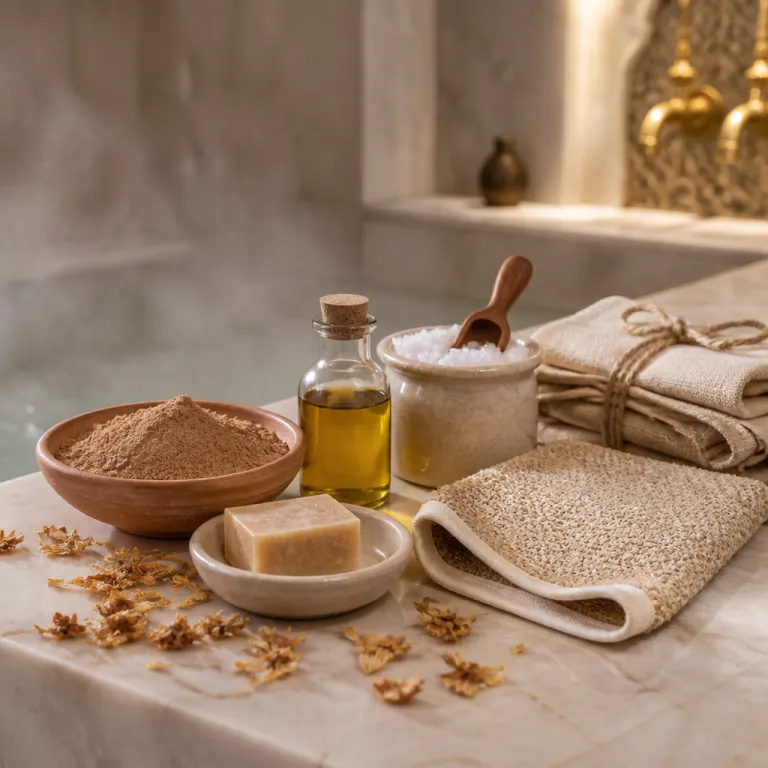
Attendants lead you through the classic Tunisian hammam choreography, beginning with buckets of hot water in the warm steam room to soften muscles and quiet the mind. Savon noir coats the body before a vigorous gommage with a kessa glove, a thorough rinse leaves the skin feeling almost new, and a firm massage on a heated slab completes the journey. This is a world away from thalassotherapy cabins, yet both traditions now coexist in Tunisia, as explored in depth in this guide to the art of thalassotherapy along the Tunisian coast.
A short walk away in the same medina district, Hammam Dar El Jeld translates these rituals into a more polished spa environment without losing the essence of hammam experiences. Couples can reserve a private room where the steam room, marble benches and tailored treatments and facials are arranged for two, creating a quieter form of relaxation while still rooted in hammam tradition. Both hammams in Tunis typically open from late morning into the evening and show how a bath house can bridge everyday life and elevated travel, especially for guests who want culture woven into every wellness moment.
Coastal steam: Hammamet Tunisia and the thalassotherapy shoreline
Move east from Tunis and the coastline shifts from medina walls to palm-lined bays where Hammamet Tunisia built its reputation on thalassotherapy resorts. Here, a hammam Tunisia spa experience often sits beside seawater pools, giving couples a choice between clinical circuits and traditional hammam rituals under one hotel roof. This duality defines modern wellness travel in Tunisia, where hammams Tunisia quietly anchor the more famous thalassotherapy coast.
Many high-end properties in Hammamet now design their spa wings so that a tiled steam room and marble hammam chamber sit just beyond the hydrotherapy pools. Guests might start the day with a doctor-led seawater program, then book an afternoon Tunisian hammam session that layers savon noir, gommage and massage over already relaxed muscles. For a region-by-region view of how these options spread along the shore, the detailed guide to Tunisia’s thalassotherapy coast is an essential planning tool.
In Hammamet hotels, couples often choose a private hammam room where attendants manage every rinse, alternating hot and cool water to keep circulation lively. The steam room becomes a cocoon, and when you step out for mint tea, your skin feels lighter while your mind registers how different this is from a standard Turkish bath in Europe. These coastal hammam experiences show how North Africa refines inherited bathing rituals into something quietly luxurious yet still deeply traditional.
Kairouan and Sfax: living bath houses beyond the resort map
To understand hammam tradition beyond curated spa menus, you need to travel inland where tourism thins and daily life sets the rhythm. In Kairouan, Hammam El Bibane operates as a historic bath house near the old city walls, where the architecture whispers Middle East influences while the rituals remain distinctly Tunisian. Couples who are comfortable stepping into a local public bath will find some of the most authentic hammam experiences in the country here, often for prices that make regular weekly visits accessible to residents.
Sessions follow the same structure as in Tunis, but the atmosphere feels more communal, with regulars who visit weekly and treat the hammam as an extension of home. You bring your own towel and simple products, then let attendants guide you through steam room stages, vigorous scrubbing and a massage that leaves your skin feeling polished and warm. The average hammam visit lasts around ninety minutes, long enough for the mind to quiet and for cultural history to sink in through every tile and bucket.
Further south in Sfax, Hammam El Hana is a beloved public bath in the old quarter where a traditional hammam Tunisia spa experience is measured not in amenities but in how you feel walking back into the streets. After a final rinse and a rest in the cool room, couples often speak of a shared journey that feels more intimate than any hotel spa circuit. These cities remind you that hammams Tunisia are not a trend but a living network of spaces, with several hundred hammams across the country documented by local heritage groups and municipal records sustaining a tradition that predates modern wellness marketing.
Designing your own hammam journey: from medina tiles to hotel suites
Planning a trip around a meaningful hammam Tunisia spa experience means thinking in sequences rather than single treatments. Start with at least one visit to a traditional hammam in Tunis or Kairouan, then balance that intensity with a softer hotel spa session in Hammamet or along the coast. This layered approach turns separate experiences into a coherent journey through Tunisian hammam culture.
Many couples now pair their bathing rituals with a focus on food and slow travel, choosing hotels that serve regional dishes built around olive oil, grains and vegetables. For a deeper sense of how wellness extends from steam room to dining room, the feature on plant based Tunisian cuisine and Mediterranean wellness shows how harissa, citrus and local oils support recovery after intense hammam experiences. When you align what happens in the bath house with what arrives at your table, the entire trip feels more intentional and more restorative.
Practical details matter too, especially if this is your first encounter with hammams Tunisia rather than a familiar Turkish bath format. “What is a hammam?” “How often do Tunisians visit hammams?” “Are hammams gender-segregated?” “What should I bring to a hammam?” “Is nudity required in hammams?” — these are the questions most travelers ask, and local etiquette answers them with calm clarity. Pack flip flops, a swimsuit or modest undergarments, simple toiletries and an open mind, then let the attendants handle the rest while you focus on the slow, steady relaxation that only a true hammam tradition can provide, whether you discovered it through a friend’s story, a Reddit thread or a LinkedIn travel article.
FAQ
What is the main difference between a hammam and thalassotherapy in Tunisia ?
A hammam in Tunisia is a steam-based bath house focused on thermal heat, exfoliation and massage, while thalassotherapy uses seawater pools and hydrotherapy equipment in a more clinical setting. Hammam experiences follow a traditional ritual sequence with savon noir, gommage and rinsing stages, often inside historic medina buildings. Thalassotherapy centers are usually attached to coastal hotels and feel closer to medical wellness clinics than to communal public bath spaces.
How long does a typical Tunisian hammam session last for travelers ?
Most travelers should plan around ninety minutes for a full Tunisian hammam ritual, from the first warm room to the final cool down. This duration allows enough time for the steam room to soften muscles, for attendants to complete thorough exfoliation and for a short massage. Couples who want extended treatments and facials or longer massage sessions can easily stretch the experience to two hours in hotel spas.
What should couples bring to a traditional hammam in Tunis or Kairouan ?
In a traditional public bath, you should bring a towel, basic toiletries, flip flops and a change of clothes, while many locals also carry their own kessa glove. Some hammams provide disposable underwear or simple wraps, but it is safer to arrive with your own lightweight swimsuit or modest undergarments. In hotel hammams, most of these items are supplied in the room or spa area, yet flip flops remain useful between wet spaces.
Are Tunisian hammams gender segregated and how does that affect couples ?
Most traditional hammams Tunisia are gender segregated, either with separate sections or alternating hours for men and women, which means couples usually bathe apart in public bath settings. Many hotel spas and coastal properties in Hammamet Tunisia offer private hammam rooms where mixed gender sessions are possible for pairs. When planning your travel, check schedules in advance so your visit aligns with the appropriate time slot for your gender or for private use.
Is a hammam suitable for first time wellness travelers used to Western spas ?
A Tunisian hammam can feel more intense than a Western steam room, but it remains suitable for most healthy travelers who are comfortable with heat and close contact. First timers may prefer to start with a hotel hammam that blends familiar spa elements with traditional rituals, then progress to a historic bath house in Tunis once they understand the flow. Listening to your body, hydrating well and communicating clearly with attendants will help ensure a rewarding hammam Tunisia spa experience on your journey.