From Vatican suites to Tunis kitchens: why Tunisia women culinary tourism matters
Luxury travelers booking near the Vatican increasingly want more than marble bathrooms. They want an experience that connects a Vatican stay with Tunisia women culinary tourism, where food becomes a bridge between sacred art and everyday life. For people scrolling a premium hotel booking website in Vatican City, the question is no longer only which room category to choose, but which Tunisian women-led food tour or workshop might follow their Roman holiday.
High-end concierges around Saint Peter’s Square now report anecdotally that some guests ask for itineraries that pair papal audiences with a later day in Tunis, where Tunisia culinary traditions are guided by women who have turned home recipes into serious businesses. This shift reflects a wider movement in Tunisia, where domestic food rituals are becoming structured culinary experiences that speak directly to solo explorers seeking contact with local people. When you reserve a suite at a refined address such as a residence beside the Vatican, you may be offered add-on options that include a women-led food tour in the Tunis medina or a tasting of floral water and pomegranate products from rural cooperatives.
This is not a trend invented by marketing teams in Rome; it is rooted in Tunisia’s years of women’s quiet labor in kitchens from Cap Bon to Zaghouan. Tunisia women culinary tourism simply makes that labor visible, paid and central to the travel story, while luxury hotels in the Vatican act as an informal launchpad. As one Tunis-based guide explained in a 2023 interview for a regional tourism study, “People arrive from Rome thinking of ruins and mosaics; they leave talking about the couscous they learned to steam with a grandmother in Zaghouan.” For a discerning guest, the real upgrade is not only a better view of Saint Peter’s dome, but a guaranteed seat at a Tunisian table hosted by Lamia Temimi or another woman who has turned her mastery of Tunisian cuisine into a sustainable tourism enterprise.
Women at the stove, women at the helm: Sawa Taste of Tunisia and beyond
The clearest expression of Tunisia women culinary tourism today is Sawa Taste of Tunisia, a women-led culinary tour operator that has become a reference for serious food travelers. Sawa Taste of Tunisia, often shortened to Sawa Taste, was created by Lamia Temimi, who transformed her personal relationship with Tunisian cuisine into a structured experience for international guests. Public profiles and press coverage from 2021–2022 confirm her role as founder and highlight how her tours show that a single woman’s vision can connect a Vatican-based traveler with the textures of the Tunis medina, the scent of floral water and the rhythm of a local market day.
On a typical Sawa Taste of Tunisia food tour, Lamia welcomes people in central Tunis before leading them through the narrow lanes of the Tunis medina, where street food stalls steam and fry from morning to late afternoon. She frames every taste of brik, every spoon of lablabi, as part of a wider Tunisia culinary narrative that stretches from Sidi Bou Saïd to Zaghouan Tunisia and Cap Bon. “I want guests to understand why a simple bowl of soup carries stories from three generations,” she notes in one interview, describing how she weaves family memories into each stop. For a solo explorer who has just checked out of a quiet Vatican hotel, this immersion in Tunisian food culture feels both intimate and meticulously curated, with each pause designed to wake tired taste buds after days of Roman trattorie.
Crucially, Sawa Taste of Tunisia is not an isolated case; it sits within a broader ecosystem of women-led initiatives such as Pluri’Elles in Testour, where women transform pomegranates into high-value products that often appear in Sawa’s tastings. Pluri’Elles is documented in development project reports as a rural women’s cooperative focused on agri-food processing, while Culinary & Creative Tunisia is presented in official tourism and cooperation documents as a multi-region program promoting Tunisia’s culinary heritage. These projects are supported by platforms like Culinary & Creative Tunisia, a tourism initiative promoting Tunisia’s culinary heritage across six regions, which helps align small workshops with international expectations of quality and hygiene. When Vatican concierges recommend a Tunisia women culinary tourism itinerary, they are effectively channeling high-spend guests toward these women, turning a private kitchen skill into a viable profession and a recognised part of the country’s tourism offer.
From home kitchen to curated workshop: how tradition becomes a premium experience
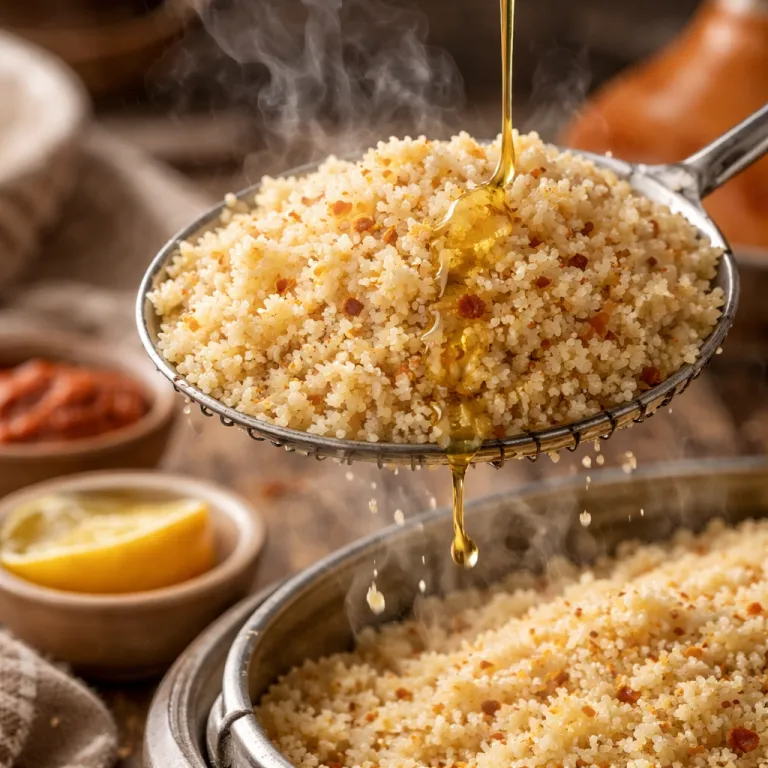
What makes Tunisia women culinary tourism so compelling for luxury travelers is the way it reframes everyday domestic work as a premium, bookable experience. A couscous that once simmered unseen in a family kitchen in Zaghouan now anchors a structured workshop where guests learn to steam semolina correctly, grind spices and understand why floral water matters in both savoury and sweet dishes. The same applies in Bou Tunis and Sidi Bou Saïd, where women invite visitors into their homes for a day that blends cooking, storytelling and slow, attentive eating.
These workshops are carefully choreographed without feeling staged, which is why they resonate with guests used to the discretion of five-star service near the Vatican. A host like Lamia will start with a walk through the medina of Tunis, sourcing food from local producers and explaining how sustainable tourism depends on paying fair prices and respecting seasonality. Back in the kitchen, participants handle ingredients central to Tunisian cuisine, from Cap Bon harissa to olives from Zaghouan Tunisia, while hearing how Tunisia’s years of under-recognised female labor are finally being valued through tourism revenue.
For travelers who have read about regional kitchens in guides such as a culinary road trip through Tunisia, these women-led workshops offer a way to translate theory into practice. You might spend one day in Tunis learning to balance the acidity of preserved lemons in a fish tagine, and another in Sidi Bou Saïd tasting variations of street food that never appear on hotel menus. One recent guest described the experience in feedback collected for a Culinary & Creative Tunisia evaluation as “like stepping into a living cookbook, where every recipe comes with a face and a story.” Each encounter is intimate enough for solo guests yet robust enough to satisfy travelers accustomed to the structured service of a premium hotel booking website in Vatican City.
Luxury hotels, local women and the future of sustainable culinary tourism
For Vatican area hotels, partnering with Tunisia women culinary tourism operators is no longer a niche experiment; it is a strategic response to guests who want authenticity with accountability. When a concierge proposes a post-Rome extension that includes a Sawa Taste of Tunisia food tour, a home-cooked lunch in Dar Slah or a visit to Pluri’Elles, they are curating an experience that aligns with sustainable tourism principles. These partnerships send high-value travelers to neighborhoods in Tunis, Zaghouan and Cap Bon that rarely see international visitors, spreading income beyond the usual coastal resorts.
The economic impact is significant in a country where only about a quarter of women participate in the labor force, according to recent data on women in Tunisia from international organizations such as the World Bank and ILO, which both report female labor force participation rates in the mid‑20 percent range for recent years. Culinary & Creative Tunisia, Sawa Taste of Tunisia and groups like Pluri’Elles collectively show how food can be a lever for women’s economic participation, especially in rural or central regions where formal jobs are scarce. One project summary notes that women-led culinary and creative initiatives supported under this umbrella have helped hundreds of producers improve product quality, access new markets and formalise micro-enterprises, illustrating how tourism can convert unpaid skills into recognised work.
For the traveler, the benefit is twofold; you gain rare access to Tunisian homes and kitchens, and you know your spending supports real people rather than anonymous corporations. A Vatican-based guest might start with a wellness-focused stay inspired by the art of thalassotherapy in Tunisia, then add a sequence of women-led food experiences that move from the Tunis medina to Zaghouan Tunisia and finally to Cap Bon fishing villages. In this model, luxury is not the resort pool but the chance to sit at a kitchen table with Lamia Temimi, taste Tunisia in both its food and its stories, and leave with a deeper understanding of how women like Malek Labidi and her peers are quietly rewriting the rules of Mediterranean cuisine tourism.
Key figures shaping Tunisia women culinary tourism
- Women represent roughly one quarter of the labor force in Tunisia, according to recent data on women in Tunisia from sources such as the World Bank and the International Labour Organization, which both place female labor force participation at around 24–26 percent in the early 2020s; this makes every job created through culinary tourism a meaningful contribution to gender equity.
- Sawa Taste of Tunisia was established in the early 2020s, as indicated by media features and project documentation from that period, illustrating how quickly a focused women-led culinary tour operator can gain international recognition among luxury travelers.
- The Culinary & Creative Tunisia project promotes culinary heritage across six regions, as described in official program materials, showing that Tunisia women culinary tourism is part of a coordinated national effort rather than isolated local experiments.
- Cooking classes, market tours and product tastings are consistently among the highest rated activities for visitors to Tunisia, according to recent tourism feedback and destination surveys, confirming that food-centered experiences are now core to the country’s tourism appeal.