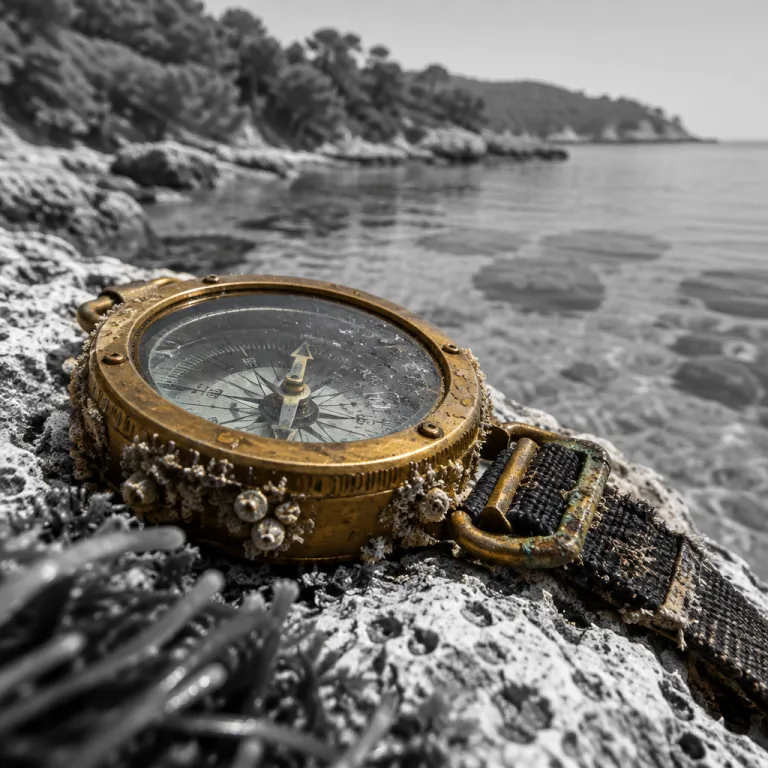
Tabarka diving Coral Coast Tunisia for independent luxury travelers
Tabarka sits on a quiet corner of north west Tunisia, where the green Kroumirie mountains lean down to a rocky Mediterranean coast. The town feels closer to a Ligurian fishing village than to the wide resort beaches further south, and that contrast is exactly what makes Tabarka diving Coral Coast Tunisia so compelling for solo travelers who prefer character over crowds. You come here for clear water, red coral and a sense of space, then return to carefully chosen hotels with a sea facing pool rather than a mega complex.
The coastline around Tabarka Tunisia is defined by volcanic rock pinnacles, underwater canyons and pockets of red coral that once supported a thriving coral fishing trade. That heritage still shapes the atmosphere in the port and the menus in the town’s small restaurants, while offshore it creates textured seabeds that make Tabarka diving Coral Coast Tunisia feel more like the western Mediterranean than a typical sand and seagrass shore. From the genoese fort on its offshore islet to the cork oak hills behind, every viewpoint reminds you that this coral coast is framed by both sea and forest.
For travelers used to polished city stays in Tunis or Rome, the hotel scene in the Tabarka zone is more low key but increasingly focused on comfort and access to the water. You will find several seafront hotels Tabarka side by side along the main zone touristique Tabarka, many with a generous pool, a compact fitness center and practical touches such as free parking for your rental car. The key is to choose a hotel that understands divers and snorkelers, with a front desk team used to arranging boat trips, early breakfasts and late checkouts around the rhythm of Tabarka diving Coral Coast Tunisia.
What makes the Coral Coast’s underwater world distinctive
The stretch often called the coral coast runs west from Tabarka towards the Algerian border, where rocky headlands break the swell and shelter small coves. Underwater, the same geology creates ledges, arches and walls that give diving real topography, while the presence of red coral on certain sites adds flashes of color against the stone. This is not a region of endless sand ; it is a place where each cove, reef and promontory feels different, and that variety keeps experienced divers engaged across several days.
Most visitors base themselves in or near the main town, then head out by boat to sites that range from shallow rocky gardens to deeper walls. For those planning Tabarka diving Coral Coast Tunisia with mixed experience levels, this is ideal because beginners can stay in the 8 to 15 metre range while more advanced divers drop to 25 or 30 metres on the same reef. Always verify any dive centre’s certification status, safety standards and pricing directly with the operator before you book, and read recent reviews carefully rather than relying on older impressions.
Snorkelers are not sidelined here, because several bays near the zone touristique Tabarka offer rocky entries where fish life gathers close to shore. A short swim from the beach often brings you over boulders, patches of coral and seagrass, so even without tanks you can understand why Tabarka Tunisia has long been associated with the sea. If you are timing a trip around cultural events such as the Tabarka jazz festival or a regional festival in nearby towns, late summer into early autumn usually brings warm water, calmer seas and long evenings on the waterfront after your dives.
For broader inspiration on how festivals and coastal life shape Tunisian trips, you can look at this guide to what to do in Tunisia during summer festivals and beach season, then adapt the ideas to a Tabarka focused itinerary. While the jazz festival in Tabarka does not run every year, when it does the combination of diving by day and live music by night is one of the coast’s most atmospheric pairings. Even when no festival is scheduled, evenings in the port feel pleasantly local, with cafés filling slowly as divers compare notes on visibility, currents and the best coral sites.
Diving, snorkeling and thalasso: choosing your style of sea time
Not every traveler arrives in Tabarka ready to commit to full diving days, and that is part of the region’s appeal. You can build a trip around snorkeling, coastal walks and spa time, then add a single trial dive or a focused Tabarka diving Coral Coast Tunisia weekend if conditions and confidence align. The key is to be honest about your comfort level in open water, then choose operators and hotels that match that profile rather than chasing depth for its own sake.
Certified divers will find that local operators typically offer two boat dives per day, with optional night dives when visibility and logistics allow. Always confirm equipment standards, maximum group sizes and guide qualifications directly with the centre, and consider arranging a private guide if you are returning to the water after a long break. When planning any thalasso diving combination, remember that intensive spa treatments and multiple dives on the same day can be tiring, so alternate heavier days with lighter snorkeling or simple beach time.
Several seafront properties in the broader Tabarka zone market themselves around wellness, with facilities that may include a thalasso circuit, heated indoor pool and compact fitness center. When a hotel promotes itself as a thabraca thalasso style retreat or references thalasso diving packages, read the fine print to see how many treatments and dives are actually included. For a wider sense of how Tunisian coastal hotels integrate local ingredients and wellness into their offer, this feature on experiences beyond the beach on Djerba Island shows how spa rituals, sea salt and regional cuisine can shape a stay.
Solo travelers often appreciate hotels where the front desk team is used to arranging shared boat spaces, so you are not paying private charter rates for every dive. Look for recent guest reviews that mention flexible breakfast times, secure gear storage and staff who understand the rhythm of diving thabraca style days. If you prefer to keep your schedule open, choose a hotel with easy access to the main port area, so you can walk down in the morning and see which boats are heading to which coral sites.
From sea to forest: pairing Tabarka with Aïn Draham and the Kroumirie
One of the strongest arguments for planning Tabarka diving Coral Coast Tunisia rather than a more southerly beach break is what lies just inland. Within an hour’s drive, the road climbs from the coast into the Kroumirie mountains, where oak forests and cork oak plantations create a completely different landscape and temperature. The small town of Aïn Draham sits at around 800 metres above sea level, making it a refreshing counterpoint to the humid shore after several days of diving.
Many travelers choose to split their stay between a hotel on the beach and a quieter property near Aïn Draham, using a rental car to move between the two. This gives you the freedom to dive or snorkel in the morning, then drive up into the hills for an afternoon hike among cork oak trees or a slow coffee in town. When planning this kind of twin centre trip, check that both hotels offer secure free parking and that reception hours at each front desk align with your arrival and departure times.
The forests around Aïn Draham and the wider Kroumirie mountains region are at their most atmospheric outside the peak of summer, when mist hangs in the valleys and the smell of damp oak forests contrasts sharply with the salt air of the coast. Walking trails are not always formally waymarked, so a local guide can be useful if you want to go beyond simple out and back routes from the road. For solo travelers, hiring a guide for a day also adds context about how communities here have long balanced forestry, cork harvesting and seasonal work in touristique Tabarka on the coast.
If you are used to Tunisia as a land of dunes and palm groves, this combination of red coral offshore and deep green inland slopes can feel almost disorienting. That contrast is exactly why pairing Tabarka Tunisia with Aïn Draham works so well for independent travelers who like varied days. You might spend one morning on a boat above a coral reef, the next walking under cork oak branches, then return to a hotel pool with a view of both sea and hills.
Choosing the right hotel base for Coral Coast adventures
Accommodation around Tabarka falls into three broad zones for most travelers. You have the main zone touristique Tabarka east of town, where larger hotels line the beach and offer direct sea access, then smaller properties closer to the historic centre and genoese fort, and finally rural guesthouses scattered towards Aïn Draham. Each option shapes how you experience Tabarka diving Coral Coast Tunisia, so it is worth thinking about your priorities before you book.
If your focus is on easy diving logistics, a seafront hotel in the Tabarka zone with its own jetty or close relationship with a dive operator will simplify your days. Look for hotels Tabarka side that mention early breakfast options, gear rinsing areas and partnerships for thalasso diving or wellness add ons, then cross check those claims against recent guest reviews. Properties that market themselves under names referencing Thabraca or thabraca thalasso often lean into a wellness narrative, but the details of the spa, pool and treatment menu can vary widely.
Travelers who care as much about atmosphere as about facilities may prefer to stay closer to the old town, where you can walk to the port, cafés and the path up towards the genoese fort. From here, you feel the daily rhythm of Tabarka Tunisia more directly, from fishermen returning at dawn to families strolling the promenade at sunset. A smaller hotel in town may not have a vast fitness center or multiple pools, but it can offer a stronger sense of place and easier access to local restaurants after a day in the water.
Whichever style you choose, pay attention to practicalities that matter on a diving focused trip. Confirm whether free parking is available if you are using a rental car, ask how the front desk handles early checkouts or late arrivals, and check whether the hotel can store valuable equipment securely between dives. For a sense of how thoughtful kitchens and local sourcing can elevate even simple hotel meals after a long day at sea, this piece on how Tunisia’s pantry shapes its hotel tables shows what to look for on menus from Tabarka to Djerba.
Practical planning: seasons, logistics and safety for solo explorers
Planning Tabarka diving Coral Coast Tunisia as a solo traveler means balancing sea conditions, transport and your own comfort level in a relatively quiet region. Late summer into early autumn usually brings warm water and stable weather, while spring can offer clear visibility but cooler temperatures that make a heated pool or thalasso circuit more appealing after dives. Winter storms can affect access to some sites, so flexible dates and a willingness to mix diving with inland excursions are useful.
Most international visitors arrive via Tunis, then either connect onward by domestic transport or arrange a rental car for the drive north west. Having your own car makes it easier to combine Tabarka with Aïn Draham and the Kroumirie mountains, and to reach trailheads or quieter stretches of beach beyond the main town. When comparing rental options, factor in the availability of secure free parking at your chosen hotels and the opening hours of each front desk, especially if you expect to arrive after dark.
Underwater, the same common sense rules apply as anywhere in the Mediterranean. Check that your operator provides a clear safety briefing, carries oxygen and communication equipment on board, and keeps group sizes manageable for the conditions on the day. If you are new to the region, consider starting with a conservative dive profile on your first day, then building up to deeper or more complex sites as you understand local currents and how your body responds to the combination of diving, sun and any thalasso treatments.
For those who prefer to stay at snorkel depth, rocky coves near the main coast road often provide easy entries with plenty of fish life and patches of coral visible from the surface. Always respect local guidelines about protected areas, especially around any remaining red coral colonies, and avoid touching or collecting anything from the seabed. A thoughtful approach keeps the coral coast’s fragile ecosystems intact, so future travelers can enjoy the same mix of clear water, forested hills and quietly confident hospitality that defines this corner of Tunisia.
FAQ: Tabarka’s Coral Coast for divers and snorkelers
Is Tabarka suitable for beginner divers and solo travelers ?
Tabarka works well for beginners because many dive sites offer gentle conditions and shallow rocky reefs between 8 and 15 metres. Solo travelers benefit from a compact town layout, walkable access to the port and hotels used to arranging shared boat spaces. Choose an operator with small groups and clear briefings, then start with easier sites before progressing deeper.
When is the best season for Tabarka diving Coral Coast Tunisia ?
Late summer and early autumn usually offer the best balance of warm water, calmer seas and long daylight hours. Spring can bring excellent visibility but cooler temperatures, so a hotel with a heated pool or thalasso facilities becomes more valuable. Winter is less predictable, with storms that may limit boat departures and push you towards inland excursions in the Kroumirie mountains.
Do I need a rental car to explore Tabarka and Aïn Draham ?
You can stay in Tabarka without a car if you focus on diving, snorkeling and the immediate town, using taxis for short transfers. A rental car, however, makes it far easier to combine sea days with hikes in the oak forests around Aïn Draham and to reach quieter stretches of coast. If you do rent, prioritize hotels that offer secure free parking and clear directions for late arrivals.
What kind of marine life and coral can I expect to see ?
The Coral Coast is known for rocky reefs, underwater arches and patches of red coral on certain sites, alongside typical Mediterranean fish species. You are more likely to appreciate the structure of the seabed and the play of light on rock than to tick off large pelagic species. Respect any protected zones and avoid touching coral or sponges, as these habitats are slow growing and vulnerable.
How does Tabarka compare to other Tunisian coastal destinations ?
Compared with larger resort areas further south, Tabarka feels quieter, more rugged and more focused on nature than nightlife. The combination of diving, the genoese fort, nearby cork oak forests and the possibility of pairing the coast with Aïn Draham gives it a distinct character. If you value uncrowded sites, local restaurants and a strong sense of place over extensive entertainment complexes, this corner of Tunisia is a strong fit.