Why Tunisia's sea is the quiet power behind coastal spa thalassotherapy hotels
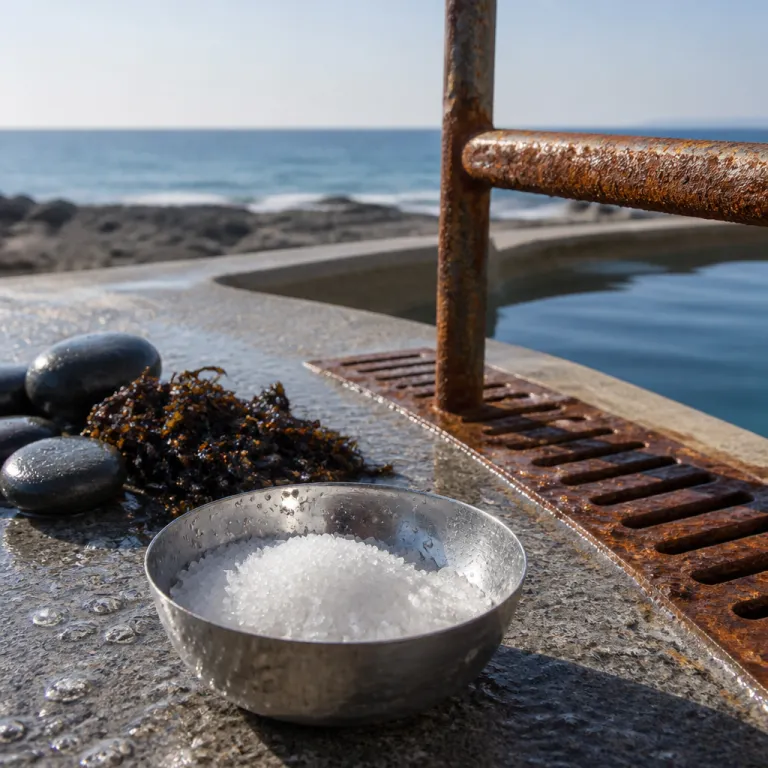
Tunisia coastal spa thalassotherapy hotels build their entire philosophy around the sea. The Mediterranean here carries a notably high concentration of minerals, and that seawater is pumped fresh into thalasso pools, hydrotherapy baths and dedicated thalassotherapy centres along the coast. When couples check into a luxury hotel in Hammamet or along the Cap Bon shoreline, the first wellness gesture often comes as a seawater foot bath that quietly signals the start of a deeper reset.
Thalassotherapy, defined as the therapeutic use of seawater and marine products for health benefits, is not a marketing flourish in Tunisia but a medical grade practice supported by local experts and international spa consultants. According to figures regularly cited by the Tunisian National Tourist Office and the Fédération Tunisienne des Activités de Bien-être et de Thalassothérapie, the country hosts around 60 thalassotherapy centres along its coastline (figures commonly referenced in industry reports between 2019 and 2023), and many of the most refined hotels Tunisia offers now integrate these facilities directly into their spa wellness zones so guests move effortlessly from suite to seawater pool without losing that cocooned feeling. For couples, this means a stay where every transition — from breakfast on the beach to an afternoon in the indoor pool — is calibrated to lower stress and lengthen the sense of time.
The mineral rich seawater used in thalassotherapy Tunisia programs is typically drawn a few hundred metres offshore, filtered but not over processed, preserving magnesium, calcium and trace elements that support circulation and muscle recovery. In leading hotel spa properties, therapists pair this seawater with marine mud and algae in targeted thalassotherapy treatments that address jet lag, back tension or simple fatigue from city life. Tunisian hydrotherapy specialist Dr. Henda Ben Salah notes in professional training materials that “live pumped seawater, renewed daily, maintains a more stable mineral profile than closed recirculation systems,” a point echoed by several Tunisian spa consultants and one that often separates the best spa experiences from merely pleasant ones — so when you book, ask specifically how the water is sourced and refreshed.
From clinical thalasso to coastal ritual: how hotels reimagine sea wellness
Early thalasso centres in Tunisia felt almost like clinics, with white corridors, strict schedules and a focus on medicalised cures. The new generation of Tunisia coastal spa thalassotherapy hotels keeps the science but softens the edges, wrapping seawater expertise in a resort rhythm that encourages lingering on the beach before or after each treatment. Couples now move from a morning seawater pool circuit to a lazy lunch under pines, then to a twilight walk along the shore that quietly extends the therapeutic arc.
Properties such as Hasdrubal Thalassa & Spa Yasmine Hammamet and Hasdrubal Prestige Thalassa & Spa Djerba illustrate this shift, with vast thalasso spa zones that open directly onto landscaped gardens and, crucially, easy beach access. Instead of treating thalassotherapy treatments as isolated appointments, these coastal wellness resorts design half day or multi day spa wellness itineraries that weave in outdoor pool time, coastal walking paths and even gentle water sports for guests who want movement rather than pure stillness. For a deeper regional overview of these seawater focused escapes, our dedicated guide to Tunisia's thalassotherapy coast and seawater wellness regions maps how each shoreline interprets the same marine resources.
Prices for individual treatments tend to start around 65 EUR, which is competitive compared with other Mediterranean destinations, especially given the scale of facilities and the quality of seawater technology. These reference prices are based on publicly available spa menus from major Tunisian thalasso hotels reviewed in 2023–2024 and may vary by season, exchange rate and promotional offers, so always check current tariffs before booking. Many hotel spa teams encourage couples to book curated thalasso spa packages rather than isolated sessions, since the cumulative effect of repeated seawater immersion and alternating hot cold circuits is where the real physiological change happens. A typical three day “sea reset” for two might include daily access to a heated seawater pool, one hydro massage bath and one algae wrap per person, plus a shared relaxation ritual, for around 450–550 EUR depending on season. When comparing hotels, look beyond headline prices and ask how many minutes you actually spend in contact with seawater, because that metric reveals the true value of any thalassotherapy Tunisia program.
Yasmine Hammamet and the art of sea anchored spa days for two
On the Gulf of Hammamet, the resort area of Yasmine Hammamet has become a reference point for couples seeking Tunisia coastal spa thalassotherapy hotels that feel both polished and relaxed. Here, properties like Hasdrubal Thalassa & Spa Yasmine Hammamet stretch along a wide sandy beach, with a clear separation between the lively touristique Hammamet promenade and the quieter spa wellness wings reserved for guests. You wake to the sound of waves, step from your suite balcony to the garden, then follow a shaded path directly to the thalassa spa reception where your seawater ritual begins.
Inside these spa Yasmine complexes, the architecture often revolves around a central seawater pool, ringed by treatment cabins offering hydro massage, algae wraps and jet showers that use the same Mediterranean water you see from the windows. Couples can book double cabins for synchronized thalassotherapy treatments, then drift out to an outdoor pool terrace or down to a private beach area reserved for hotel guests, where loungers face the horizon rather than the road. For a deeper dive into how Tunisia's coastal hotels integrate local ingredients into their wellness and dining concepts, our feature on harissa, olive oil and sea salt in Tunisian hotel cuisine shows how the same sea that feeds the spa also seasons the plate.
What distinguishes Yasmine from other zones is the density of high level hotels combined with a long, walkable beach that encourages guests to extend their spa day outdoors. You might alternate an hour in the indoor pool with a slow stroll along the shoreline, then return for a targeted back treatment before sunset yoga on the sand. This rhythm — moving between controlled seawater environments and the open beach — is where Tunisia coastal spa thalassotherapy hotels in Yasmine Hammamet truly excel for couples who want structure without feeling constrained.
Hasdrubal, thalassa spa innovation and the new seawater playground
Among Tunisia coastal spa thalassotherapy hotels, the Hasdrubal group has become almost shorthand for serious seawater wellness. Hasdrubal Thalassa & Spa Yasmine Hammamet operates a thalassotherapy centre of roughly 4 000 m², a figure reported in the brand’s own technical documentation and echoed in trade catalogues, while Hasdrubal Prestige Thalassa & Spa Djerba expands that idea to an 11 000 m² complex that feels more like a dedicated seawater village than a simple spa. In both hotels, the thalasso spa is not a basement afterthought but a central architectural statement that shapes how guests move through the property.
These Hasdrubal Thalassa properties typically offer multiple seawater pools, including at least one large indoor swimming pool for structured hydrotherapy circuits and one outdoor pool for more relaxed lounging between treatments. Couples can book suites positioned close to the spa wellness zone, reducing transition time and allowing for short, frequent sessions rather than a single long appointment each day. In Djerba, some programs even integrate access to a seawater pool with views of the beach, blurring the line between clinical thalassotherapy treatments and the simple pleasure of floating while watching the horizon.
Innovation here often means combining seawater with local products, such as seaweed wraps using algae harvested off the Tunisian coast or body scrubs that mix sea salt with regional olive oil, a tradition explored in depth in our article on the art of thalassotherapy in Tunisia. Couples who enjoy activity can balance their spa days with a nearby golf course session or light water sports, then return to the calm of the hotel spa for a final float before dinner. When evaluating these hotels Tunisia wide, pay attention to how many different seawater experiences are offered — from high pressure jets to quiet flotation basins — because variety keeps a multi day thalasso stay engaging rather than repetitive.
Designing a couple's sea wellness itinerary: from beach access to golf and pools
Planning a stay in Tunisia coastal spa thalassotherapy hotels as a couple means thinking in arcs rather than isolated moments. Start by choosing a hotel spa with direct beach access, so you can move from a structured seawater pool circuit to an unhurried walk on the sand without crossing busy roads or public zones. Many of the strongest properties in Hammamet, Yasmine and Djerba offer both indoor pool and outdoor pool options, allowing you to adapt your day to wind, light and mood.
A balanced program might begin with a morning thalassotherapy session focused on circulation, followed by a light lunch and a few quiet hours by the swimming pool or on a private beach section reserved for hotel guests. In the late afternoon, one of you might head to the golf course while the other returns to the spa wellness area for a targeted back or leg treatment, then you reunite for a shared hammam or couples massage that closes the loop. As local tourism authorities often remind visitors in their practical advice sheets, “Book treatments in advance, explore local culture alongside spa visits, and check seasonal weather for optimal experience” — simple guidance that becomes essential when demand for the best spa slots is high.
Summer brings warmer seawater and longer light, which allows hotels Tunisia wide to extend outdoor yoga, coastal walking circuits and even gentle water sports that complement the more controlled environment of thalasso centres. Shoulder seasons, by contrast, highlight the cocooning appeal of an indoor seawater pool and a well designed spa wellness zone where you can spend hours without feeling confined. Whatever the season, the most satisfying itineraries alternate intensity and rest, mixing structured thalassotherapy treatments with unscheduled time on the beach so the body can absorb the benefits at its own pace.
FAQ
What is thalassotherapy and how is it used in Tunisia's coastal hotels ?
Thalassotherapy is the therapeutic use of seawater and marine products for health benefits, and in Tunisia coastal spa thalassotherapy hotels it underpins most structured wellness programs. Seawater is pumped from offshore, filtered and heated, then used in pools, hydro massage baths and jet showers that target circulation, muscle tension and overall fatigue. Many leading hotels integrate full thalasso centres into their spa wellness zones so guests can combine medical grade treatments with more traditional massages and hammam rituals.
Why has Tunisia become a leading destination for seawater spa wellness ?
Tunisia benefits from a long Mediterranean coastline with mineral rich seawater and a thalassotherapy tradition that has been developed systematically since the late twentieth century. The country now counts around 60 dedicated thalasso centres, a figure regularly quoted by the Tunisian National Tourist Office and industry bodies in recent years, many of them embedded in luxury hotels that offer direct beach access, large seawater pools and comprehensive spa menus. This combination of natural resources, established infrastructure and competitive prices has positioned Tunisia coastal spa thalassotherapy hotels as a serious alternative to better known European wellness destinations.
Are thalassotherapy treatments in Tunisian hotels medically supervised ?
In many of the more advanced thalasso centres, especially those attached to five star hotels, programs are designed or overseen by medical professionals and experienced hydrotherapists. Guests typically begin with a consultation that assesses circulation, stress levels and any contraindications before a tailored sequence of seawater treatments is proposed. According to guidance from the Fédération Tunisienne des Activités de Bien-être et de Thalassothérapie, “Are thalassotherapy treatments medically supervised? Yes, many centers offer treatments under medical supervision”, which reflects the clinical roots of Tunisia's seawater wellness culture.
How should couples choose between different Tunisia coastal spa thalassotherapy hotels ?
Couples should first decide how important direct beach access and sea views are compared with a more urban setting, then compare the size and variety of each hotel's thalasso spa facilities. Key questions include whether the property offers both indoor and outdoor seawater pools, how many daily treatments are included in packages, and whether there is a quiet spa wellness zone reserved for adults. It is also worth checking if the hotel offers extras such as a nearby golf course, private beach sections or curated couple's programs that blend seawater therapy with cultural excursions.
When is the best season to book a seawater wellness stay in Tunisia ?
Summer offers the warmest seawater and the longest days, which suits couples who want to combine intensive thalassotherapy with extended time on the beach and outdoor activities. Spring and autumn bring milder temperatures and fewer crowds, making them ideal for guests who prefer quieter spa zones and more time in indoor seawater pools. Winter can still be rewarding in hotels with strong indoor facilities, but the focus shifts more toward cocooning hydrotherapy circuits and less toward open air sea rituals.