Italy travel refined from the Vatican: why your hotel choice matters
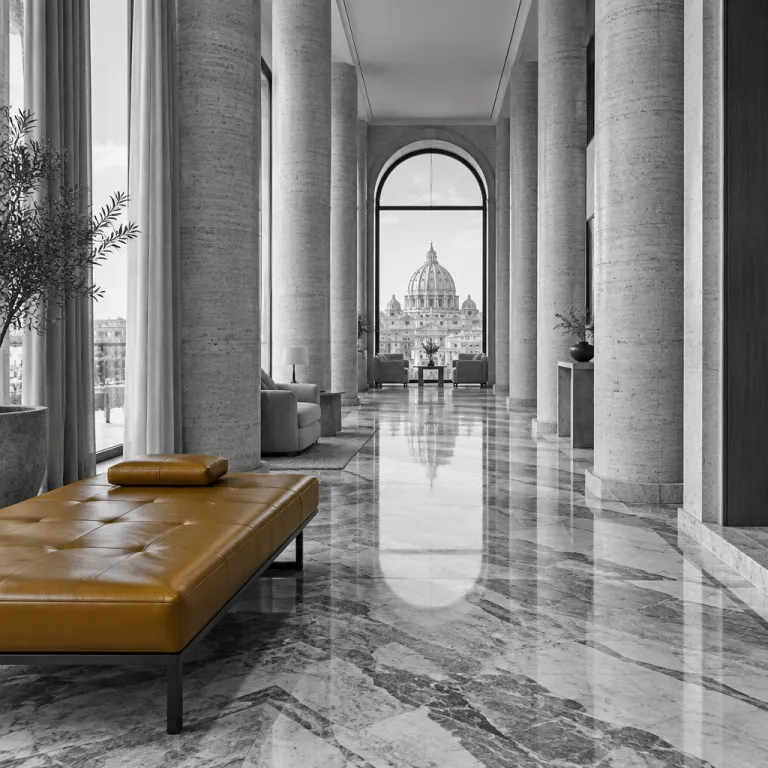
Italy travel feels different when your stay begins inside or just beside the Vatican walls. Choosing a luxury or premium hotel here shapes how you experience Italian culture, food, wine, and sacred art across every day of your trip. The right place to book in this tiny city state becomes the heart Italy travelers return to after exploring Rome, Venice, Tuscany, and the wider region.
From a hospitality perspective, the Vatican is a strategic base for any trip Italy that combines faith, history, and refined comfort. You sleep steps from Saint Peter’s Basilica, yet you remain perfectly positioned for a day trip to the sea, to ancient cities, or to northern Italy hubs such as Florence, Venice, or the great cities of Italy north. Many guests use a Vatican hotel as a quiet sanctuary between intense day trips to Rome, the Amalfi Coast, Lake Como, or the hilltop villages of central regions.
For premium travelers, Italy travel is rarely about a single city; it is about a curated tour of Italian culture, Italian food, and landscapes from southern Italy to Friuli Venezia Giulia. A Vatican-based stay lets you structure small group excursions to UNESCO heritage sites, from the historic centre of Rome to the vineyards of Tuscany and the dramatic coastline of Cinque Terre. In this context, a luxury booking platform focused on the Vatican must understand how guests combine food wine experiences, art, and spirituality across several regions and multiple cities, recommending specific properties such as Gran Meliá Rome Villa Agrippina, Palazzo Cardinal Cesi, or Hotel Columbus as refined bases.
Designing a Vatican stay around rome, venice, and northern Italy
Planning Italy travel from the Vatican means thinking in concentric circles around Rome, then extending to other cities. Many guests start with two or three day trips inside the city of Rome, then add a longer day trip or overnight tour to Florence, Venice, or other cities in northern Italy. A premium booking website should therefore present Vatican hotels not as isolated properties, but as anchors for a wider Italian itinerary that links city breaks, coastal escapes, and countryside retreats.
High-speed trains connect Rome with Venice, Florence, and the Italy north business hubs in roughly 1 hour 30 minutes to 2 hours for Rome–Florence and about 3 hours 45 minutes for Rome–Venice, which makes even ambitious day trips realistic for disciplined travelers. From a Vatican hotel, you can leave after an early Italian breakfast, reach Venice or Florence by late morning, and still enjoy a full day of Italian culture before returning to your city sanctuary. This pattern suits small group travelers who want curated food wine experiences in different regions without constantly changing hotels or repacking luggage.
When you book a Vatican property through a specialized platform, look for tools that integrate rail schedules, private transfers, and curated tours across multiple cities. Some luxury agencies now pair Vatican stays with premium experiences in other European destinations, and similar multimodal planning is transforming routes such as direct flights from Europe to nearby Mediterranean hubs. The same logic applies to Italy travel; your Vatican base should be presented as one node in a refined network that reaches from Rome to northern Italy, from Lake Como to Friuli Venezia Giulia, with realistic travel times and clearly mapped connections.
From Vatican quiet to coastal glamour: integrating sea and countryside into italy travel
Many travelers fear that staying in the Vatican means sacrificing easy access to the sea or countryside, yet the opposite is true. A well-designed Italy travel plan can combine Vatican calm with the dramatic sea cliffs of the Amalfi Coast, the pastel villages of Cinque Terre, and the lakeside elegance of Lake Como. The key is using a booking website that understands how to time each day trip and overnight tour from a central city base, including transfer times from Vatican-area hotels to Rome Termini or Tiburtina stations.
From Rome Termini station, high-speed trains and regional lines fan out toward southern Italy, northern Italy, and the main coastal regions. In practice, this allows you to spend one day exploring UNESCO heritage sites in Rome, then dedicate the next day Italy to a curated food wine journey along the Amalfi Coast or in the vineyards above Lake Como. A Vatican hotel with strong concierge partnerships can arrange private drivers, small group boat tours, and restaurant reservations that highlight Italian cuisine in each region, often coordinating departure around 7:00–8:00 a.m. and return in the evening.
Luxury booking platforms increasingly position the Vatican as part of a broader Mediterranean circuit, similar to how some operators frame Tunisia as Europe’s intelligent luxury alternative. For Italy travel, the same philosophy applies; guests want seamless movement between city, sea, and countryside without losing the comfort of a trusted base. When you book, look for itineraries that link the heart Italy experience of the Vatican with coastal villages, wine regions, and rural retreats in Tuscany, Sicily, and Friuli Venezia Giulia, specifying whether each excursion works best as a long day trip or an overnight stay.
Curating italian food, wine, and culture from a Vatican base
For many guests, the deepest memories of Italy travel come from Italian food, wine, and the rituals around the table. A Vatican hotel booking website that takes gastronomy seriously will highlight not only rooms and suites, but also access to Italian cuisine across Rome, Tuscany, northern Italy, and southern Italy. This means suggesting specific restaurants, markets, and food wine experiences that match your interests and travel style, from casual trattorie to Michelin-starred dining rooms.
From the Vatican, you can join a small group food tour in the Trastevere district, then plan a day trip to Tuscany for vineyard tastings and traditional Italian cuisine. Another day Italy might focus on street food in Rome, followed by a refined dinner featuring regional Italian food from Friuli Venezia Giulia or the seafood traditions of Sicily. Serious travelers often combine these experiences with visits to UNESCO heritage sites, creating a rhythm where culture and cuisine reinforce each other and each evening meal reflects the region visited that day.
When you book through a specialized platform, look for filters that highlight culinary amenities such as Michelin-starred restaurants, chef’s table experiences, or partnerships with wineries in Italy north and southern Italy. Some of the best Vatican hotels now offer curated menus that pair local Roman dishes with wines from Lake Como hillsides, Friuli Venezia vineyards, and the volcanic soils of Sicily. This integrated approach turns your Vatican stay into a tasting journey through multiple regions and cities, rather than a static city break, and allows you to build a day-by-day mini-itinerary that alternates museum visits, vineyard tours, and long dinners.
Linking Vatican luxury with italy’s cities, villages, and unesco heritage
One of the strongest arguments for a Vatican base is how easily it connects to Italy’s great cities and smaller villages. From Rome, high-speed and regional trains reach historic cities such as Florence, Venice, and Naples, while buses and private transfers open up medieval villages in Tuscany and hill towns across central regions. A sophisticated booking website should map these options clearly, showing how each day trip or overnight tour fits into your overall Italy travel plan and indicating approximate journey times.
Travelers focused on UNESCO heritage often combine the Vatican Museums and Saint Peter’s Basilica with sites such as the historic centres of Rome, Florence, and Naples, or the vineyard landscapes of Tuscany. Others prefer to balance city intensity with quiet villages, spending one day in a major city and the next exploring rural communities in northern Italy or southern Italy. In both cases, the Vatican offers a stable, contemplative base that contrasts with the movement of each day Italy and helps structure a coherent narrative for your journey.
Thoughtful platforms also recognize that many guests want to extend their Italian journey beyond Italy itself, using Rome’s air links to reach other Mediterranean destinations. Analysis of regional tourism trends, such as those discussed in reports on luxury hotel pipelines in nearby countries, shows how travelers increasingly combine multiple cultures in one itinerary. For the Vatican, this means positioning its hotels as gateways not only to the heart Italy experience of Rome and Venice, but also to wider circuits that include coastal resorts, wine regions, and historic cities across the Mediterranean, with sample routes and suggested stopovers.
How to evaluate a luxury Vatican booking website for your italy travel
Choosing the right platform to book a Vatican hotel can shape your entire trip Italy. A credible site should present transparent room descriptions, clear cancellation policies, and detailed information about access to Rome, other cities, and key regions such as Tuscany, Sicily, and Friuli Venezia Giulia. It should also show how each property supports day trips to the sea, to UNESCO heritage sites, and to Italian food and wine experiences, ideally with sample itineraries that outline morning departures and evening returns.
Look for booking tools that allow you to plan multi city itineraries, combining a Vatican stay with nights in Venice, Lake Como, or villages in northern Italy and southern Italy. The best platforms integrate maps, estimated travel times, and suggested day trips, helping you understand how a given hotel fits into your broader Italy travel route. Ideally, you should be able to compare options for small group tours, private transfers, and self-guided excursions from the same interface, then save or export a day-by-day schedule.
Trustworthy sites also highlight guest reviews that mention concrete experiences, such as specific day trip logistics, food wine recommendations, or access to Italian culture events in the city. When a platform explains how a Vatican hotel can serve as the heart Italy base for exploring multiple regions and cities, it shows an understanding of real traveler behavior. That level of detail signals expertise and makes it easier to book with confidence, knowing your Vatican stay will support every stage of your Italian journey and adapt to changes in weather or personal energy levels.
Integrating Vatican stays into wider italian regions: from italy north to southern Italy
For many experienced travelers, a Vatican stay is only one chapter in a longer Italy travel story. They might begin in Rome and the Vatican, then move north to Lake Como, Venice, and other cities in Italy north, before ending in the sun-drenched landscapes of southern Italy. A premium booking website should therefore present Vatican hotels as part of a modular itinerary that spans multiple regions and travel styles, with clear suggestions on how many nights to allocate to each stop.
One popular pattern starts with three days in the Vatican and Rome, followed by a day trip or two to Tuscany villages and UNESCO heritage towns, then continues toward northern Italy lakes and Friuli Venezia Giulia wine regions. Another approach reverses the flow, beginning with coastal relaxation on the Amalfi Coast or in Sicily, then finishing with a contemplative stay in the heart Italy setting of the Vatican. In both cases, the ability to book interconnected stays on a single platform simplifies logistics and supports more ambitious tours that still feel unhurried.
When evaluating such platforms, pay attention to how they describe movement between city and countryside, between sea and mountains, and between major cities and small villages. The most advanced tools allow you to align train schedules, small group excursions, and culinary experiences in Italian cuisine across multiple regions. This level of integration turns your Vatican hotel from a simple city stay into a strategic hub for exploring Italian food, wine, culture, and landscapes from Italy north to the far south, with realistic transfer windows built into each day.
Key figures shaping luxury Vatican and italy travel
- According to the Italian National Institute of Statistics (ISTAT), Italy welcomed more than 430 million overnight stays in pre-pandemic years, with Rome consistently ranking among the best-performing cities for international arrivals (source: ISTAT tourism statistics).
- The Vatican Museums report annual visitor numbers exceeding 6 million people, which makes proximity to the Vatican a major factor when travelers book luxury and premium hotels in the surrounding city districts (source: Vatican Museums official statistics).
- Data from Trenitalia show that high-speed rail links between Rome, Florence, and Venice carry tens of millions of passengers each year, enabling realistic day trips and multi city itineraries from a single Vatican base (source: Trenitalia annual reports).
- UNESCO lists over 50 UNESCO heritage sites across Italy, including historic centres in Rome, Florence, and Naples, which encourages travelers to use central hubs such as the Vatican to coordinate regional day trips (source: UNESCO World Heritage Centre).
- Regional tourism boards in Tuscany, Sicily, and Friuli Venezia Giulia report steady growth in luxury and food wine tourism, reinforcing the trend of combining Vatican city stays with visits to wine regions, coastal resorts, and rural villages (source: regional tourism authority reports).
FAQ about luxury and premium Vatican hotel bookings
Is the Vatican a practical base for exploring other italian cities ?
Yes, the Vatican sits within Rome and benefits from the city’s extensive rail and road network, which makes day trips to Florence, Venice, Tuscany, and other regions of northern Italy and southern Italy straightforward for well-planned itineraries.
How many days should I stay in the Vatican area during my italy travel ?
Most luxury travelers allocate three to five days in the Vatican and Rome, which allows time for the main Vatican sites, key UNESCO heritage areas in the city, and at least one day trip to nearby regions such as Tuscany or the Amalfi Coast.
Can I combine a Vatican stay with coastal destinations like the amalfi coast or cinque Terre ?
Yes, high-speed trains and private transfers make it realistic to start from a Vatican hotel, then reach the Amalfi Coast, Cinque Terre, or Lake Como either as long day trips or as part of a multi stop itinerary across different regions.
What should I look for in a luxury Vatican hotel booking website ?
Prioritize platforms that offer transparent pricing, detailed room descriptions, clear cancellation policies, and integrated planning tools for day trips, small group tours, and multi city routes connecting Rome, Venice, Tuscany, and other Italian regions.
Is it easy to access italian food and wine experiences from a Vatican base ?
Yes, the surrounding districts of Rome offer excellent Italian cuisine, and a well-connected Vatican hotel can arrange food wine tours, restaurant reservations, and vineyard visits in Tuscany, Friuli Venezia Giulia, and other renowned wine regions.