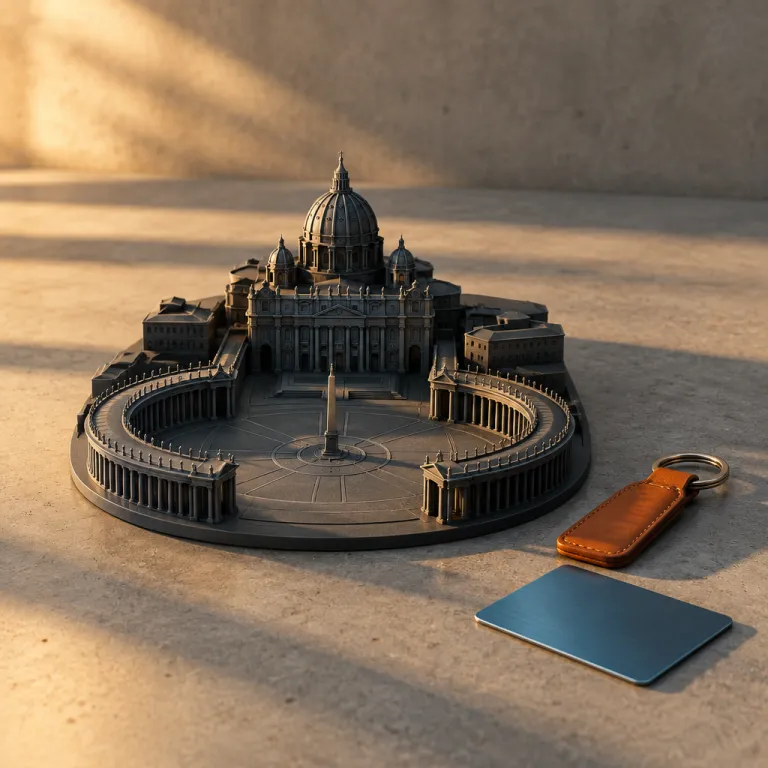
Where is Vatican City and why its location shapes your luxury stay
Vatican City is an independent city-state fully enclosed within the urban fabric of Rome. This smallest country in the world sits on Vatican Hill, just west of the Tiber River and a short walk from central districts such as Prati and Borgo. Its unique position as a sovereign enclave inside Italy influences every luxury travel decision you make nearby, from hotel selection to how you plan your days.
When guests ask where Vatican City is, they are really asking how this holy enclave fits into their wider Rome itinerary. The micro-state lies beside the Prati and Aurelio districts of Rome, which offer refined hotels with direct views toward Saint Peter’s Basilica and the vast Saint Peter’s Square. Staying in these neighborhoods lets you move effortlessly between Vatican landmarks and the quieter residential streets that seasoned travelers prefer.
The borders of Vatican City run around the colonnades of Saint Peter’s Square, behind the Vatican Museums, and along the gardens that rise up Vatican Hill. This compact territory covers about 0.44 square kilometers, yet it concentrates centuries of Catholic Church history and the legacy of the former Papal States. Because the country is so small, your choice of hotel in Rome determines how easily you can visit key sites several times across different days.
Understanding the exact position of Vatican City also means understanding its political status as a sovereign state. The Lateran Treaty between the Holy See and the Kingdom of Italy, signed in 1929, created this city-state and confirmed its independence from the surrounding country. That agreement still shapes border controls, Swiss Guard security, and the way international visitors move between Rome and Vatican territory during a tour.
For luxury travelers, the location of Vatican City within Rome offers a rare blend of spiritual heritage and urban sophistication. You can enjoy a private tour of the Sistine Chapel at dawn, then return to a suite with a rooftop view over the basilica dome. Choosing a hotel that frames both the holy skyline and the elegant city streets turns a simple Vatican-focused visit into a curated experience.
Staying near Saint Peter Basilica and Peter Square in refined comfort
Most guests who first look up where the Vatican is on a map quickly focus on Saint Peter’s Basilica and the monumental Saint Peter’s Square. These two spaces form the ceremonial heart of the city-state and define the most prestigious hotel zone in the immediate surroundings. From a premium room here, you can watch the square fill before a papal blessing while still enjoying the privacy of an elevated terrace.
Saint Peter’s Basilica stands on the site of the tomb of Saint Peter, the apostle considered the first bishop of Rome and a central figure of the Catholic Church. The basilica interior, with its soaring nave and Michelangelo’s dome, rewards multiple visits across different days and times. Many luxury travelers schedule an early morning tour one day, then return another evening to admire the contemplative atmosphere after sunset.
Saint Peter’s Square itself, framed by Bernini’s colonnades, is where the Vatican’s identity feels most intense. The square marks the symbolic threshold between the country of Italy and the sovereign city-state, guarded by the colorful uniforms of the Swiss Guard. From a nearby hotel, you can step out for a late-night stroll across the cobblestones when the crowds have gone and the view is almost private.
For an elegant retreat with easy access to both Saint Peter’s Square and central Rome, many discerning guests choose the Cardinal Hotel St Peter in Rome, a recommended partner property. This refined address offers a tranquil residential setting, yet it keeps you within a short transfer of the basilica and the main Vatican Museums entrance. The commercial relationship is clearly disclosed, but the hotel is highlighted here because its location works especially well if you want to balance intense cultural days with quieter poolside afternoons.
Because Vatican City is the smallest country on earth, room supply immediately around Saint Peter’s Basilica is limited and often in high demand. Premium hotels near the city-state frequently manage availability through advance-sale offers and curated packages that include private tour access. As a practical rule, booking three to six months ahead for regular periods—and up to a year in advance for major papal liturgies or international Catholic Church events—greatly improves your chances of securing the exact view and room category you prefer.
Elegant neighborhoods around Vatican Hill for luxury and privacy
Once you understand where the Vatican sits in relation to wider Rome, the next step is choosing the right neighborhood around Vatican Hill. The Prati district, just east of the city-state, offers broad avenues, upscale shopping streets, and refined residential buildings. Many premium hotels here provide a partial view of the basilica dome while keeping you close to both the Vatican Museums and central Rome.
On the western side of Vatican Hill, the Aurelio and Monteverde areas appeal to travelers who want more space and quieter surroundings. These districts sit slightly above the city, giving some hotels panoramic views that stretch from Saint Peter’s Basilica across the roofs of Rome. They work especially well for longer stays of several days, when you want a calm base after intense museum visits and city tours.
For guests seeking refined stays near the Vatican with easy access to both the city-state and the historic center, the Mellini Roma, another featured partner, is a notable option. This property sits along the Tiber, between Vatican City and the Spanish Steps, which makes it ideal for combining luxury shopping with cultural travel. The partnership is commercial, yet the hotel is recommended here because from this position you can walk to the Vatican Museums in one direction and to the heart of Rome in the other.
Knowing precisely where the Vatican lies on the Rome map helps you judge walking times from these neighborhoods. From most Prati addresses, you can reach the Vatican Museums entrance in about ten to fifteen minutes on foot, depending on your pace. From Aurelio, you may rely more on short taxi rides, but you gain a quieter residential feel and often more generous room sizes for the same nightly rate.
Whichever side of Vatican Hill you choose, prioritize hotels that understand the rhythm of the city-state. Properties experienced with international guests will help you time your plans around papal audiences, major Catholic Church feasts, and peak tour arrivals. A good concierge can, for example, pre-book museum entries, arrange early-morning transfers, and advise on the best departure time for a papal event, turning a simple stay near the smallest country into a seamless, well-paced luxury travel experience.
Inside the Vatican Museums and Sistine Chapel with a luxury lens
Any serious guide to the Vatican’s location must devote space to the Vatican Museums and the Sistine Chapel. The museums stretch along the northern edge of the city-state, forming a long complex that houses masterpieces from the former Papal States collections. Their entrance lies on the Rome side of the border, which means your hotel choice in the surrounding city directly affects how easily you reach them at different times of day.
For luxury travelers, the key is not only to visit the Vatican Museums but to experience them with comfort and context. Many premium hotel concierges arrange early-access tours that let you enter before the main international crowds, especially in the Sistine Chapel. This quieter setting allows you to appreciate the biblical narratives on the ceiling and walls without the usual pressure of dense tour groups.
The Vatican Museums route passes through galleries of classical sculpture, Renaissance tapestries, and maps that once guided the administration of the Papal States. As you move closer to the Sistine Chapel, you sense how the Vatican’s identity has always combined art, theology, and political power. Understanding where this tiny state sits geographically helps you see how such a small country projected influence far beyond its walls.
Because the museums run along the border between the state and Italy, some rooms offer glimpses toward the gardens of Vatican Hill and the dome of Saint Peter’s Basilica. These views remind you that you are walking inside a functioning city-state, not just a static museum complex. After several hours inside, returning to a nearby hotel suite with a quiet terrace becomes an essential part of a balanced travel day.
When planning your days, alternate intense museum visits with lighter Rome activities to avoid cultural fatigue. One day, focus on the Vatican Museums and Sistine Chapel, then the next day enjoy a slower tour of Saint Peter’s Square and the basilica. This rhythm respects both the density of the collections and the physical scale of the smallest country you are exploring.
Papal ceremonies, the Swiss Guard, and timing your Vatican days
Understanding where Vatican City is also means understanding when to be there, especially if you hope to see the pope. Papal audiences usually take place in Saint Peter’s Square or the Paul VI Audience Hall, both within the city-state but accessed from the Rome side. Your hotel’s concierge can secure the necessary tickets through official channels and advise on arrival times, which often start several hours before the event for the best view.
On these days, the presence of the Swiss Guard in their traditional uniforms becomes especially visible around the basilica and the city-state gates. The Swiss Guard, responsible for the personal security of the pope, symbolizes the long-standing relationship between this smallest country and the wider international community. Watching their precise movements at the borders of Vatican City gives you a sense of how the Lateran Treaty still shapes daily protocol.
Because Vatican territory is surrounded by Italy, major ceremonies affect traffic and crowd flows in Rome as well. Luxury travelers who know where the city-state sits in relation to their hotel can adjust departure times, choosing to walk when streets close or to use alternative routes. This is where a seasoned travel guide or an experienced concierge becomes invaluable, especially if you have limited days in the area.
On non-audience days, the atmosphere around Saint Peter’s Square and the basilica feels more contemplative. You can enter the church with shorter lines, spend time in the side chapels, and even climb the dome for a sweeping view over the city-state and the surrounding country. Planning at least one quiet morning visit without major events lets you appreciate the spiritual dimension beyond the spectacle.
For guests arriving from the United States or other distant countries, jet lag can influence how you schedule these experiences. Many travelers choose to attend a papal event later in their stay, once they have adjusted to Italian time and the rhythm of Rome. This approach ensures you are fully present for one of the most memorable moments of any Vatican travel itinerary.
Designing an exclusive Vatican getaway from Rome and beyond
Once you have located Vatican City on the map, the next question is how to weave it into a wider Italian journey. Many luxury travelers base themselves in Rome for several days, using a hotel near Vatican Hill as a hub for both sacred and secular experiences. From this base, you can alternate between intense Vatican days and excursions to other parts of the country.
Some guests pair a Rome-and-Vatican stay with wellness-focused escapes that echo the ancient Roman love of thermal waters. For example, curated itineraries sometimes include coastal spa destinations such as the Roman-era hot springs of Korbous, presented in depth in an editorial on sea-facing thermal retreats. This kind of combination balances the holy intensity of Vatican City with restorative days by the water, even beyond Italy’s borders.
When planning an exclusive Vatican getaway, consider how many days you want to spend inside or near the city-state itself. A focused itinerary might include one day for the Vatican Museums and Sistine Chapel, one day for Saint Peter’s Basilica and Saint Peter’s Square, and one flexible day for a papal event or a quieter return visit. This three-day structure works well for travelers from the United States and other long-haul markets who want depth without overload.
Because Vatican City is a functioning state, not just a religious site, its calendar includes diplomatic visits, international conferences, and major Catholic Church synods. These events can affect hotel availability and rates in Rome, especially in properties closest to the city-state borders. Working with a specialist travel advisor or a dedicated luxury agency helps you navigate these variables and secure the right conditions for premium rooms.
Ultimately, knowing exactly where this sovereign micro-state lies allows you to design an itinerary that respects both its sacred character and its geopolitical reality as an independent country. You move between the holy spaces of the basilica, the artistic treasures of the museums, and the everyday life of Rome with confidence and ease. That balance is the hallmark of a truly refined Vatican travel experience.
Practical travel tips for luxury stays around the smallest country
Precise travel tips complete any serious answer to where Vatican City is, especially for guests booking premium hotels. The city-state sits on the western side of Rome, well connected by metro line A (with Ottaviano–San Pietro and Cipro among the closest stops), several bus routes, and reliable taxi services. According to ATAC, Rome’s public transport authority, line A is one of the city’s busiest metro routes, making it a practical option for many visitors. Many luxury properties also arrange private transfers, which are particularly convenient after long international flights.
When choosing a hotel, ask for rooms with a view toward Saint Peter’s Basilica or Vatican Hill if that aspect matters to you. Some properties offer rooftop terraces where you can see the dome and even part of the city-state walls, especially at sunset. These perspectives remind you that you are staying beside the smallest country in the world, not just another historic district of Italy.
For museum days, plan to visit the Vatican Museums either very early or later in the afternoon to avoid the heaviest tour flows. Booking skip-the-line access through your hotel or a trusted travel guide can significantly improve comfort, especially in the Sistine Chapel. Always check the official Vatican calendar, as some holy days and papal events change opening hours or close specific areas, and seasonal schedules often adjust last entry times.
Currency, language, and practicalities are straightforward, because Vatican City uses the euro and Italian alongside the many languages spoken by international staff. Mobile coverage and data work as they do in the surrounding country, so your digital travel guides and maps will function normally inside the city-state. For guests from the United States and other non-European countries, ensure your roaming plan covers both Italy and Vatican territory to avoid surprises.
Finally, remember that Vatican City is both a place of worship and a sovereign state, so dress codes and security checks are stricter than in much of Rome. Shoulders and knees should be covered inside Saint Peter’s Basilica and other holy spaces, and large bags may be refused at the museums. Respecting these norms not only smooths your plans but also aligns your luxury stay with the dignity of this unique city-state.
Key figures about Vatican City and luxury travel
- Vatican City covers about 0.44 square kilometers, making it the smallest country in the world by both area and population, which explains the limited number of rooms with direct basilica views (data from the Holy See and international reference works such as the Vatican’s official statistics office and the Annuario Pontificio).
- The Vatican Museums welcome roughly 6 to 7 million visitors each year in recent pre-pandemic periods, with peak days seeing tens of thousands of entries, a volume that strongly justifies early-access or private tour arrangements for luxury travelers (figures reported by the Vatican Museums administration and summarized in official annual reports).
- Saint Peter’s Basilica can hold around 15,000 to 20,000 people during major liturgies, which significantly impacts crowd levels in Saint Peter’s Square and the surrounding streets of Rome on papal event days (capacity estimates from architectural and ecclesiastical sources, including Vatican communications and academic studies).
- Walking time from central Prati to the Vatican Museums entrance averages 10 to 15 minutes, while a taxi from the Spanish Steps area to Vatican Hill typically takes 15 to 20 minutes depending on traffic, a practical benchmark when planning tightly timed visits (based on standard Rome transport conditions and local experience).
- International tourism to Rome, including Vatican-focused stays, represents one of Italy’s most significant service sectors, with the city welcoming more than ten million visitors annually in recent pre-pandemic years, underlining the importance of advance booking for premium accommodation (data from Rome’s official tourism authorities and the Italian National Institute of Statistics, ISTAT).
FAQ about Vatican City stays and location
Where is Vatican City located in relation to Rome hotels ?
Vatican City lies on the western side of Rome, bordered by the Prati and Aurelio districts. Most luxury hotels that serve Vatican visitors sit just outside the city-state walls in these neighborhoods. From many of them, you can walk to Saint Peter’s Basilica or the Vatican Museums in about ten to twenty minutes.
How many days should I plan around Vatican City for a luxury trip ?
For a refined stay, plan at least two to three full days focused on Vatican City and its surroundings. One day can be dedicated to the Vatican Museums and Sistine Chapel, another to Saint Peter’s Basilica and Saint Peter’s Square, and a third to a papal event or a quieter return visit. This schedule leaves room for relaxed meals and unhurried walks in Rome.
Is Vatican City a separate country from Italy for travelers ?
Yes, Vatican City is a sovereign city-state and the smallest country in the world, created by the Lateran Treaty. It is fully enclosed within Rome, but it has its own governance, postal system, and security forces such as the Swiss Guard. For most travelers, border formalities are minimal, and you move freely between Italy and the city-state on foot.
Which area is best to stay in for views of Vatican City ?
The Prati district and parts of Aurelio near Vatican Hill offer some of the best hotel views toward Saint Peter’s Basilica and the city-state. Many premium properties in these areas feature rooftop terraces or upper-floor rooms with the basilica dome in sight. Booking early is essential, because rooms with these views are limited and often sold first.
Are there special dress codes or rules when visiting Vatican City sites ?
Yes, Vatican City enforces a modest dress code for holy places such as Saint Peter’s Basilica and the Sistine Chapel. Shoulders and knees should be covered, and large bags or sharp objects are not allowed through security checks. Respecting these rules ensures smooth entry and aligns with the spiritual character of the city-state.