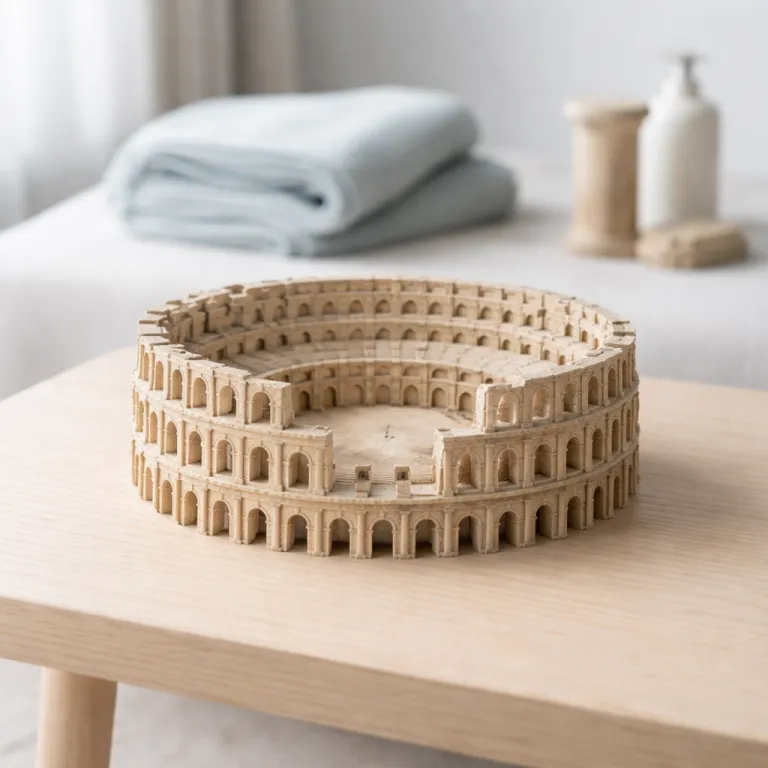
Luxury hotels near Carthage Tunisia for Roman history lovers
Luxury hotels near Carthage Tunisia turn a day trip into a deep immersion. When you base yourself in the northern suburbs of Tunis, Carthage shifts from a rushed stop on a coach itinerary to a layered archaeological landscape you can walk at sunrise and revisit after dinner. This is where the capital city quietly reveals how an ancient port in North Africa still shapes the rhythm of a modern Mediterranean stay.
Most travellers start near Tunis Carthage International Airport, then move towards the coast where refined hotels and discreet resorts line the curve between Gammarth and La Marsa. In this arc, several hotels in Gammarth Marsa offer guest rooms with a sea view one way and the ruins of Carthage the other, so your room becomes a front row seat on both the Mediterranean and history. For business travellers, this area balances proximity to the business districts of Tunis with resort style amenities, so a single hotel stay can serve both meetings and archaeological touring.
When you book a hotel near the main site of Carthage, pay attention to how the property frames the experience. Some hotels Carthage side offer curated visits to the archaeological museum and the scattered ruins of Carthage, pairing licensed guides with private transfers so you can skip main logistical headaches and focus on the main content of your trip. Others lean into wellness, with a garden scented by jasmine and orange blossom where you can reflect on the ancient city after walking its Roman villas and Punic harbours.
The best luxury hotels near Carthage Tunisia understand that context is an amenity in itself. You might find a hotel club lounge where evening canapés are served beside reproductions of mosaics from the Bardo archaeological museum in Tunis, or guest rooms whose design echoes the blue white palette of nearby Sidi Bou Saïd. This is not a themed bed and breakfast concept, but a quiet weaving of North Africa’s Roman past into the textures of a contemporary hotel experience.
Sidi Bou Saïd and La Marsa: blue and white villages with Roman horizons
Stay a little further along the coast and the mood shifts from imperial ruins to village life. In Sidi Bou Saïd, the blue white doors and latticed balconies frame the sea, while the domes of Carthage sit just beyond, reminding you that every café terrace here looks out over an ancient world. Choosing luxury hotels near Carthage Tunisia in this area means your morning coffee comes with both a Mediterranean view and a sense of continuity with the past.
The hilltop village Sidi Bou Saïd is compact, so you can walk from your hotel to the cliff edge in minutes, then descend by taxi to the site of Carthage for a full day among Roman villas and Punic ports. Many hotels around Sidi Bou and La Marsa offer tailored excursions that combine the ruins of Carthage with time in the medina of Tunis, so you move from marble columns to tiled courtyards in a single afternoon. Solo travellers often appreciate how these hotels structure the experience, allowing them to book stay packages that include transfers, guides and flexible timings for sunrise or sunset visits.
In La Marsa, larger resorts and refined city style hotels sit closer to the beach, with long promenades ideal for evening walks after a day at the archaeological museum or at the scattered site of Carthage. Some properties here operate almost like a relaxed hotel club, with social spaces where North Africa based business travellers mix with holiday guests returning from Dougga or El Jem. If you are planning a wider Tunisian itinerary that includes coastal escapes such as Djerba, you can use La Marsa as a sophisticated base before heading south for more experiential stays, as outlined in this guide to what to do on Djerba Island beyond the beach.
Whichever corner of Sidi Bou or Marsa you choose, look for hotels that integrate the story of Carthage into their main content rather than treating the ruins as an optional extra. Some properties host evening talks on the history of the ancient city, while others arrange private access hours at less visited sections of the site Carthage complex. The result is a stay where the line between hotel amenities and cultural immersion becomes pleasingly blurred.
From Carthage to El Jem: pairing coastal comfort with amphitheater drama
Once you have settled into one of the luxury hotels near Carthage Tunisia, the temptation is strong to push further along the Roman trail. El Jem lies inland, its colossal amphitheater rising from the plains of central Tunisia, and the contrast with the coastal garden courtyards of Tunis is striking. Here, the experience shifts from sea breezes and café culture to stone, silence and the scale of an arena that once held around 30 000 people.
Accommodation directly beside El Jem is modest, so many travellers choose to base themselves in higher end hotels closer to the coast and visit the amphitheater on a long day trip. This is where the flexibility of resorts in Gammarth Marsa or La Marsa becomes useful, because concierge teams can arrange early departures that place you inside the arena at dawn or near dusk, when the light softens and the crowds thin. For solo explorers, this structure means you can enjoy the drama of El Jem while returning to a full service hotel with extensive amenities, refined guest rooms and reliable transport links.
Some international hotel groups expanding in Tunisia, as reported in analyses of major resort expansion plans in the country, are already eyeing the potential of routes that connect Carthage, El Jem and Dougga. For now, the most comfortable strategy is to treat your hotel near Tunis Carthage as a hub, then add one or two nights in regional towns if you want to feel the slower rhythm of inland Tunisia. This hub and spoke approach works especially well for business travellers who need to earn points with a preferred hotel brand while still carving out time for archaeological excursions.
When planning, remember that El Jem is not just a photo stop but a place where the engineering of ancient Rome in Africa becomes tangible. Walking the corridors beneath the arena after a quiet breakfast in your coastal hotel, you feel how a single day can span both the intimacy of a Mediterranean room with a balcony and the vastness of a stone ellipse. That contrast is precisely what makes combining coastal resorts with inland ruins such a compelling way to structure your stay.
Dougga and the remote luxury of time
Dougga sits in the hills of northern Tunisia, far from the sea but close to the heart of Roman North Africa. The site covers around seventy five hectares, and its Capitol, theater and residential quarters form one of the most complete ancient towns you can walk anywhere in the Mediterranean. Reaching it from luxury hotels near Carthage Tunisia requires more effort, yet the reward is a rare feeling of having an entire Roman city almost to yourself.
There are no true luxury hotels at Dougga itself, so the most comfortable approach is to stay in Tunis or along the Gammarth coast and arrange a full day excursion. Some high end hotels in Tunis work with specialist guides who focus on Roman archaeology, turning the drive into part of the experience with context about Carthage, El Jem and the wider Roman province of Africa. For travellers who prefer to move slowly, a night in a characterful bed and breakfast style guest house in a nearby town can add texture, before you return to the polished amenities of your main hotel base.
Because Dougga is remote, planning matters more than at Carthage or El Jem. Check opening hours in advance, speak with your hotel concierge about road conditions and consider hiring a local guide on site to deepen your understanding of the ancient urban layout. As one expert summary puts it, "Is Dougga accessible to tourists?" and the answer is clear : "Yes, Dougga is accessible and considered one of the best-preserved Roman towns in North Africa."
Back at your coastal hotel, the contrast between Dougga’s stone streets and your landscaped garden or infinity pool will feel almost surreal. This is where thoughtful hotels shine, perhaps by offering a quiet reading room stocked with books on Tunisian archaeology or by arranging a tasting of regional olive oils that link today’s countryside with the fields that once fed Rome. In such moments, the luxury is not only in thread count or spa menus, but in the way your stay stretches time between ancient and contemporary Tunisia.
Designing an itinerary: where Roman ruins meet refined hospitality
To make the most of luxury hotels near Carthage Tunisia, think of your trip as a sequence of chapters rather than a checklist. Start with two or three nights near Carthage and Sidi Bou Saïd, using a hotel with strong concierge services as your base for the ruins of Carthage, the Bardo archaeological museum and the medina of Tunis. Then add a coastal interlude in La Marsa or Gammarth, where resorts with generous amenities and sea facing guest rooms let you exhale between excursions.
From this base, plan day trips to El Jem and Dougga, choosing whether to prioritise the amphitheater’s monumental scale or the town plan of a complete Roman city. Some travellers will prefer to keep all nights in the capital city area, returning each evening to the same hotel club lounge, spa and familiar staff, while others may insert a night in a regional town to feel closer to the countryside. Either way, the key is to align your hotel choices with the rhythm you want : slow mornings in a garden, long drives through North Africa’s interior, or late nights in Tunisian restaurants near the coast.
When comparing properties, look beyond generic star ratings and focus on how each hotel frames the Roman story. Does the main content of its website talk about Carthage, El Jem and Dougga, or only about pools and conference rooms for business travellers ? Are there curated experiences that help you book stay packages around the ruins of Carthage, or partnerships with guides who can unlock quieter corners of the site Carthage complex ? These details matter more than whether the lobby looks like a design magazine spread.
For travellers who like to connect different layers of Roman heritage, it can be inspiring to read about how high end hospitality engages with history in other cities, such as the Roman luxury scene explored in this guide to the most exclusive hotels in Rome. The comparison highlights how Tunisian hotels near Carthage, El Jem and Dougga often trade marble lobbies for proximity to ruins and a more intimate relationship with landscape and light. In the end, the most memorable stays are those where you wake in a quiet room, step out into a blue and white street or a coastal breeze, and feel that the ancient world is not a distant chapter but a neighbour.
FAQ about Roman ruins and luxury stays near Carthage, El Jem and Dougga
How close are luxury hotels to the main ruins of Carthage ?
High end hotels in Gammarth, La Marsa and Sidi Bou Saïd are typically within 5 to 15 kilometres of the main ruins of Carthage. Driving times range from about 10 to 25 minutes depending on traffic and which part of the archaeological zone you visit first. This proximity makes it easy to visit different sections of the site across several days while still enjoying a coastal base.
Can visitors tour the El Jem amphitheater comfortably on a day trip from Tunis ?
El Jem is feasible as a long day trip from Tunis or the Carthage coast, with a one way drive of roughly 2 to 3 hours depending on traffic and route. Many travellers arrange private transfers through their hotel so they can arrive early in the morning or later in the afternoon when temperatures and crowds are lower. As one expert answer notes, "Can visitors tour the El Jem Amphitheater?" and the response is : "Yes, the El Jem Amphitheater is open to tourists and offers insights into Roman architecture and history."
Is it better to stay in central Tunis or on the coast for visiting Roman sites ?
Staying in central Tunis offers faster access to the Bardo archaeological museum and the medina, while coastal areas like Gammarth and La Marsa provide easier access to beaches and a resort atmosphere. For Carthage specifically, coastal hotels are often closer to the main ruins, but central Tunis hotels can be more convenient for business travellers. Many visitors split their stay between the capital city and the coast to balance culture, meetings and relaxation.
What is the significance of Carthage compared with Dougga and El Jem ?
Carthage was a major Phoenician and later Roman city that dominated Mediterranean trade and politics, so its ruins tell a story of imperial power and maritime networks. El Jem is centred on a single monumental structure, one of the largest Roman amphitheaters, while Dougga preserves an entire town layout with temples, theater and residential quarters. Together, the three sites offer complementary perspectives on how Rome shaped North Africa, from urban planning to entertainment and commerce.
Do luxury hotels near Carthage offer guided tours to all three Roman sites ?
Many upscale hotels near Carthage and in Tunis can arrange guided tours to Carthage itself and to the Bardo museum as standard services. Excursions to El Jem and Dougga are often organised as private or small group day trips, sometimes in partnership with specialist archaeological guides. When booking, it is worth asking the hotel concierge what specific Roman themed experiences they can coordinate so you can plan your itinerary efficiently.