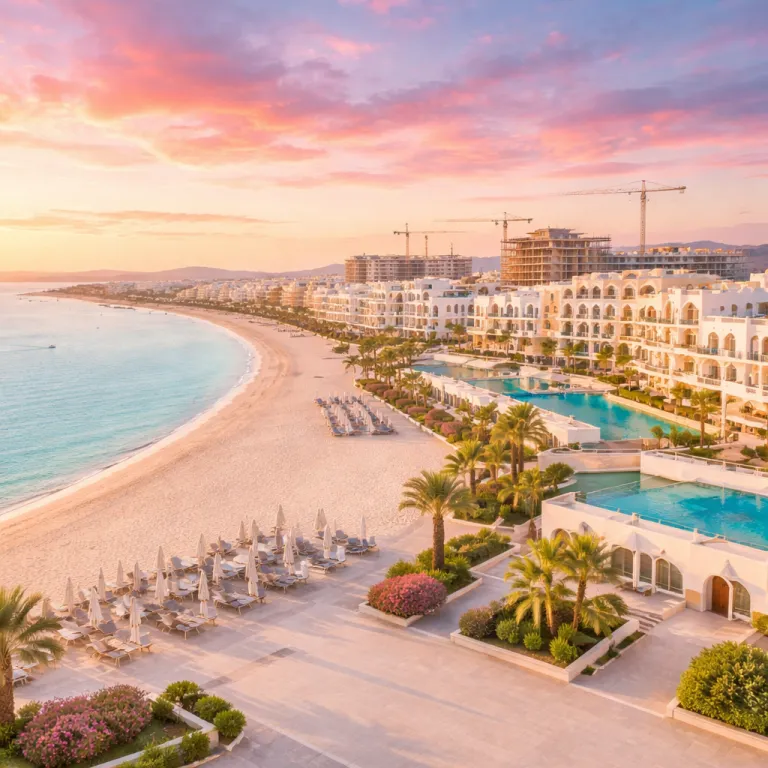
Meliá Hotels Tunisia signals a new Mediterranean chapter
Meliá Hotels Tunisia marks a decisive shift in how Tunisia presents itself to high end travelers. The Spanish hospitality group Meliá Hotels International is entering the country with a clear strategy to reposition existing hotel assets and align them with rigorous international standards, working in close partnership with the Tunisian Management Hospitality Group (MHG). For Vatican focused guests who split time between Rome and the wider Mediterranean, this expansion Melia move turns Tunisia from a peripheral stop into a serious luxury destination.
The first Meliá hotel in Tunisia will open in Mahdia with 307 rooms, anchoring a broader plan to operate five hotels resorts and reach 3,000 rooms Tunisia wide by the end of the current development cycle. This entry Tunisia project is not a speculative play ; it reflects measurable growth in Tunisia tourism, with millions of visitors annually now looking beyond traditional all inclusive hotels toward refined properties that can compete with Rome, Athens and the Côte d’Azur. For travelers used to staying in elegant hotels near the Vatican, the promise is familiar service culture, consistent brand standards and a Mediterranean setting that still feels under explored.
Meliá Hotels International has framed Tunisia Melia as part of its wider Mediterranean growth strategy, using a management hospitality model that combines international open expertise with local knowledge from MHG. The hospitality group will focus on upgrading rooms Tunisia wide, public spaces and wellness facilities so that each hotel can meet the expectations of business leisure guests who usually book international brands in Rome or Milan. As one internal briefing from the company states, "Meliá Hotels International makes strategic debut in Tunisia with 3000 room development plan" — a concise summary of how seriously the group views this rooms country opportunity in North Africa.
Mahdia versus Hammamet and Djerba for luxury stays
Mahdia has long been whispered about by Tunis insiders as the stretch of coast where the Mediterranean feels almost private. With Meliá Hotels Tunisia choosing Mahdia for its first open hotels project, the destination steps onto the same conversation as Hammamet and Djerba, but with a quieter, more rarefied profile that appeals to executives used to discreet hotels international addresses near Vatican City. The new Mahdia property will reposition an existing hotel through substantial development work, adding contemporary rooms, refined dining and management practices that mirror the group’s flagship properties in Spain.
Hammamet remains Tunisia’s most established resort destination, with a dense cluster of hotels Tunisia wide and a tourism infrastructure that can feel crowded in peak months. Djerba, by contrast, offers a more insular island rhythm, with long beaches and a growing set of international brand presences, including Hilton and other global names that signal confidence in Tunisia tourism. Mahdia sits between these two in spirit ; it offers the same Mediterranean light and beaches but with fewer properties, which means the arrival of Melia brands will likely set the tone for future hotel development and pricing in the luxury segment.
For Vatican bound travelers who value calm after Rome’s intensity, Mahdia’s scale matters as much as its sand. The 307 rooms in the first Mahdia hotel will be joined by additional rooms Tunisia wide as Meliá and MHG roll out hotels resorts in Tabarka, Monastir, Djerba and Tunis, creating a network of properties that can support multi stop itineraries before or after a stay in refined luxury hotel rooms near Vatican City. This network effect is crucial for business leisure guests who expect seamless management hospitality standards, reliable meeting spaces and the ability to move between destinations without sacrificing service or design quality.
Pricing, competition and the wider North Africa signal
The scale of Meliá Hotels Tunisia — 3,000 planned rooms across five properties — will inevitably reshape pricing dynamics in Tunisia’s upper tier hotel market. When a major international hospitality group commits to this level of hotel development, it sends a clear message to other brands such as Hilton and regional hotels international players that the destination is ready for more sophisticated management models. For travelers, especially those used to curated luxury family hotels near Vatican City, the practical outcome should be sharper competition on service, wellness offerings and room categories rather than a race to the bottom on rates.
From a macro perspective, this expansion Melia initiative strengthens Tunisia’s position within North Africa as a Mediterranean destination that can host conferences, incentives and high level corporate retreats. The partnership between Melia and MHG aligns with national tourism development goals, using investment in renovations to transform existing hotel assets into properties that meet demanding international standards for business events. As more visitors annually choose Tunisia for both leisure and meetings, the presence of a consistent Melia hotels network will help global companies justify shifting some events from traditional hubs like Barcelona or Nice.
For Vatican focused travelers, the most interesting impact may be itinerary design rather than pure pricing. A guest might begin with a refined city stay in an elegant Rome hotel near the Vatican, fly to Tunis for meetings in a Melia hotels managed property, then unwind in Mahdia or Djerba at a resort that shares the same brand DNA and management hospitality philosophy. This kind of integrated journey, supported by a coherent group strategy and a growing portfolio of open hotels, is what ultimately turns Tunisia Melia from a headline about growth into a tangible new way to experience the Mediterranean arc.