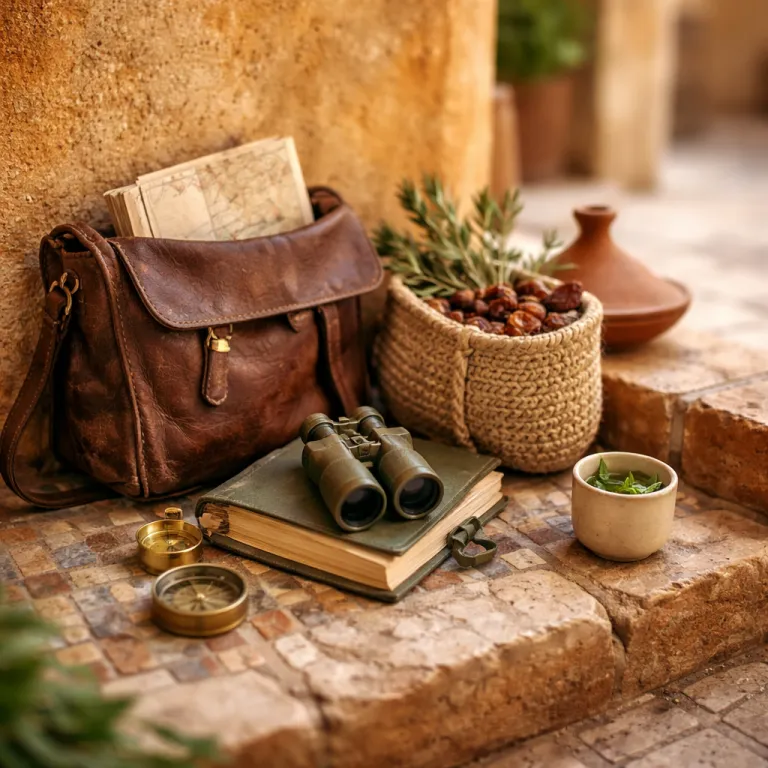
Slow travel Tunisia as intelligent luxury, not a checklist trip
Slow travel in Tunisia rewards travelers who trade frantic sightseeing for depth. When you stretch a visit from three days to ten, the country shifts from postcard to lived-in place, and the medina streets of Tunis or Sousse begin to feel like a neighborhood rather than a backdrop. That extra time lets a Tunisia trip evolve from a sequence of famous places into a layered relationship with a country that sits between the Mediterranean and the Middle East.
Think of slow travel here as intelligent luxury rather than delayed gratification. A three day Tunisia itinerary can tick off the Great Mosque of Kairouan, the Roman ruins at Dougga and a quick walk through the Sousse medina, but a ten day route lets you linger in each city, follow your curiosity and still have a quiet day with no agenda. That is when traveling in Tunisia starts to feel like a privilege, not a race against the clock.
Engaging Cultures Travel defines the philosophy clearly in their own words: “What is slow travel? Travel focusing on deeper cultural immersion and unhurried experiences.”1 When you apply that lens to Tunisia, you begin to see how a single town such as Sidi Bou Saïd or a single region such as Cap Bon can hold you for days, with time for long café mornings, conversations with artisans and unhurried walks along ruins that most visitors only glance at. This is also where luxury hotels and premium guesthouses come into their own, because the room becomes a base for a narrative rather than a box for a night.
There is a hard economic edge to this softness. Tunisia National Tourism Office data for 2023 shows around 8.8 million tourist arrivals,2 and World Bank figures for 2019 put average daily expenditure at roughly 100 USD per person,3 which means every extra day a traveler stays has a measurable impact on local livelihoods. When you choose a slower pace and spend that budget in locally owned hotels near a medina, family run restaurants in a coastal town or with guides who know every Roman stone, you are quietly voting for a different tourism model. That model favors community based experiences over anonymous mass packages and aligns luxury with responsibility rather than excess.
For the solo explorer, this calmer rhythm also changes how you relate to safety, logistics and comfort during Tunisia travel. You learn the patterns of public transport between Tunis and Sousse, you recognize the same faces in the café near your hotel, and you understand when a city wakes up or when a town closes its shutters for the afternoon. As one Tunis based guide explained during an interview for this piece, “When guests stay a week instead of a weekend, they stop asking, ‘What can I see?’ and start asking, ‘Who can I meet?’—that is when Tunisia really opens up.” That familiarity is its own form of luxury, especially in a country where the Algerian border, the desert and the sea all sit within a day’s travel yet feel like different worlds.
From Tunis medina to Dougga: where Tunisia shines when you stay longer
Slow travel Tunisia works best when you anchor yourself in a few regions and let the days stretch. Start with Tunis, where the medina offers a dense, walkable city that rewards repetition, because each visit to the same alley or courtyard reveals new details in the carved doors, the tiled walls and the rhythm of daily life. A thoughtful Tunisia itinerary might place you in a restored house near the Zitouna Great Mosque for four or five nights, with time to explore both the old city and the café terraces of Avenue Habib Bourguiba.
From this base, you can plan day trips that deepen rather than dilute your experience. One day might take you by TGM suburban train to Sidi Bou Saïd in about 35 minutes, where the blue and white town above the sea has become a symbol of Tunisia travel, yet still holds quiet corners if you walk beyond the main square and return at different times of day. Another day can be dedicated to the Roman ruins of Carthage, where the baths, villas and scattered columns tell a story that connects directly to the monumental Roman ruins at Dougga and El Jem further south.
When you extend your trip into the interior, the contrast becomes sharper. The hilltop town of Le Kef, often shortened to Kef, sits within a few hours of the Algerian border and offers a slower, cooler alternative to the coast, with Ottoman fortifications, a compact medina and views that stretch across the country. Spending several days here allows you to feel how a smaller Tunisian town breathes, from the morning market to the evening promenade, and it turns a simple visit into a relationship with a place.
Dougga itself is where slow travel Tunisia fully justifies the extra time. Many travelers rush in for a quick photo of the Capitol and theatre, then leave before the light softens and the countryside quiets, but staying nearby for a night or two lets you walk the Roman streets at different hours and appreciate how the ruins sit within a living agricultural landscape. That same patience applies to Sousse and Monastir along the Sahel coast, where the Sousse medina, the ribat and the seafront at Sousse Monastir reveal different moods if you give them more than a single afternoon.
For luxury travelers, this regional focus pairs naturally with high end stays that understand the value of time. Properties that offer weekly rates, concierge curated itineraries and flexible check in for solo guests make it easier to commit to ten days in one city rather than three days in three different places, and they often have the best insight into under the radar experiences such as private access to a Roman site or a guided reading of Tunisian literature. To understand how this shift is reshaping the upper end of the market, look at how rising tourism revenues are being reinvested; recent analyses of Tunisia’s tourism receipts by multilateral lenders and national agencies show how extended stays are now central to the country’s positioning.4
Sahel, Cap Bon and Djerba: regions built for slow itineraries
Some parts of the country are almost designed for slow travel Tunisia, especially if you prefer to unpack once and explore in widening circles. The Sahel coast around Sousse and Monastir combines long beaches, historic medina quarters and easy public transport links, which makes it ideal for a Tunisia itinerary that balances rest with cultural depth. You might spend one day wandering the Sousse medina, another tracing the coastal fortifications between Sousse Monastir and a third simply watching the sea from your hotel terrace while the city hums below.
Cap Bon, the peninsula east of Tunis, offers a different rhythm that suits travelers who want a mix of vineyards, ceramics and small town markets. Staying in Nabeul or Hammamet for several days allows you to use local buses and shared taxis as your main public transport, turning each short ride into a window on daily life rather than a transfer to be endured. This is where the methods promoted by operators such as Engaging Cultures Travel and Iconic Tunisia come into play, with walking tours, local transport and community engagement replacing rushed excursions.1,5
Further south, Djerba has become a natural hub for slow travel Tunisia, especially for solo travelers who want a safe, compact island with layers of history. The island’s Jewish heritage, whitewashed villages and coastal lagoons can be appreciated in a single day, but they only start to resonate when you return to the same café, the same stretch of beach or the same pottery workshop over several days. That repetition, supported by comfortable long stay hotels and guesthouses, turns a simple visit Tunisia experience into a personal narrative.
Even the more cinematic corners of the country benefit from this approach. The Star Wars filming locations around Matmata and Tozeur are often marketed as quick photo stops, yet they sit within landscapes shaped by centuries of caravan travel, oasis agriculture and Berber architecture, which you only grasp if you stay long enough to walk beyond the famous sets. Slow travel Tunisia in these areas might mean a night in a troglodyte house, a dawn walk through palm groves and an evening reading of local history while the desert cools outside.
As demand for this style of traveling Tunisia grows, the hospitality sector is quietly adapting. Extended stay apartments, riad style rentals and small luxury hotels are introducing weekly pricing, kitchenettes and concierge services tailored to guests who stay ten nights rather than two, and this shift is supported by national initiatives such as the Visit Tunisia project, which channels investment into higher quality, more sustainable properties; official project documentation and partner reports outline how this benefits discerning travelers and encourages longer, more meaningful stays.6
Practical slow travel: costs, transport and seasonal rhythms
Slow travel Tunisia is not only a philosophy; it is a set of practical choices that shape your budget, your comfort and your environmental footprint. With average daily expenditure around 100 USD, based on World Bank tourism receipts data for 2019,3 a ten day trip can remain competitive with a shorter stay in many European capitals, especially when you factor in the cost of living and the value of local services. Choosing one or two main bases rather than a constant city to city hop also reduces internal transport costs and the stress that often shadows fast paced travel.
Public transport is the backbone of sustainable Tunisia travel, and it aligns perfectly with a slower approach. Trains between Tunis, Sousse and Sfax, louage shared taxis to interior towns such as Kef and buses to coastal places like Hammamet or Nabeul allow you to move at the same speed as residents, which deepens your understanding of the country’s geography and social fabric. For example, the train from Tunis to Sousse typically takes about two and a half hours, while a louage from Tunis to Kef often runs around three hours depending on traffic and departure time. For solo travelers, this network also offers a sense of security, because routes are well used and schedules, while flexible, follow a predictable daily rhythm.
Seasonality matters as much as routing. Spring and autumn are widely considered the best time for slow travel Tunisia, with mild temperatures that make medina walks, Roman ruins visits and café terraces comfortable throughout the day, while winter offers quieter cities and lower rates for those who do not mind cooler evenings. Summer can still work for a Tunisia itinerary focused on the coast or Djerba, but you will want to plan your day around early morning and late evening, leaving the hottest hours for shaded courtyards, museum visits or a long lunch.
There is also an environmental and social argument for this style of traveling Tunisia. By staying longer in one town, spending money in neighborhood restaurants and hiring local guides for medina walks or Roman site tours, you support community based tourism that spreads benefits beyond a single resort complex. This aligns with the broader shift from mass tourism to meaningful travel, where the goals are to foster cultural understanding, support local economies and promote sustainable tourism rather than simply increase arrival numbers.
For readers of myvaticanstay.com, used to evaluating luxury hotels near major religious and cultural sites, the same principles apply whether you are choosing a premium stay close to the Vatican or a riad style property near the Zitouna mosque; in both cases, the hotel becomes a base for immersion rather than a bubble. Our guide to elegant stays at hotels close to the Vatican in Rome outlines how location, service and cultural proximity shape a meaningful stay, and those criteria translate directly to slow travel Tunisia. When you apply them thoughtfully, every extra day you spend in a medina, a coastal town or near the Algerian border becomes an investment in both your own experience and the country’s future.
Key figures shaping slow travel Tunisia
- Tunisia welcomed about 8.8 million tourists in 2023, according to the Tunisia National Tourism Office,2 which means even a modest shift toward longer stays can redirect hundreds of millions of dinars into local economies.
- Average daily expenditure per visitor is estimated at about 100 USD by the World Bank’s 2019 tourism data,3 so extending a typical three day visit to a ten day trip can more than triple the financial impact of a single traveler.
- Travel and Tour World has highlighted slow travel routes such as Matmata to El Jem as key growth drivers for Tunisia’s tourism sector,7 reflecting a move away from short, coastal only holidays.
- Year round appeal, with particularly pleasant conditions in spring and autumn, allows Tunisia to spread visitor numbers beyond peak summer months, which reduces pressure on coastal cities and supports businesses in interior regions.
- Operators such as Engaging Cultures Travel and Iconic Tunisia report rising demand for walking tours, local transport based itineraries and community engagement experiences, signaling a structural shift toward more immersive, sustainable travel models.1,5
Sources: (1) Engaging Cultures Travel, “What is Slow Travel?”; (2) Tunisia National Tourism Office, 2023 arrivals statistics; (3) World Bank, International Tourism Expenditure and Receipts, Tunisia 2019; (4) World Bank and national tourism revenue reports on Tunisia; (5) Iconic Tunisia sample itineraries and company statements; (6) Visit Tunisia project briefs and implementation updates; (7) Travel and Tour World coverage of Tunisia’s slow travel routes.