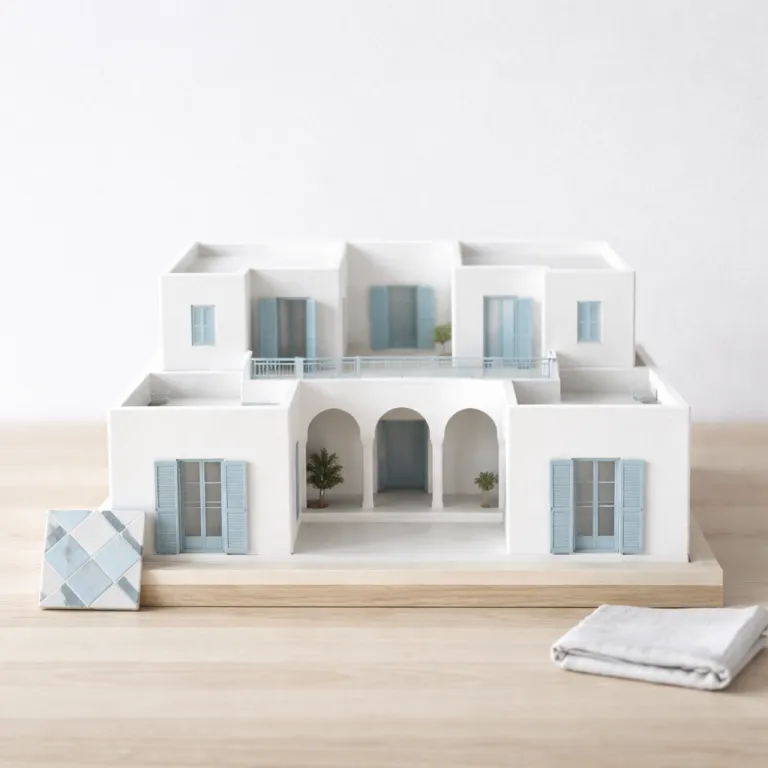
Where to stay in Hammamet, Tunisia for a refined coastal escape
Choosing where to stay in Hammamet, Tunisia shapes how you experience this stretch of coast. The destination runs from the fortified medina and fishing port to a long resort strip, so your hotel choice will decide whether evenings unfold in quiet courtyards or along lively beaches. Take the time to map Hammamet’s main zones before you book, because the right area will turn a simple hotel stay into a Mediterranean ritual.
Hammamet sits in the Nabeul governorate of Tunisia, about an hour south of Tunis by road, and it has grown into one of the country’s most established resort destinations. According to Tunisian National Tourist Office summaries and 2023–2024 listings on major booking platforms, there are now several dozen hotels and resorts operating year round. That scale means you will find everything from intimate medina guesthouses to full scale beachfront hotels in Hammamet, yet not all properties deliver the same level of service or direct access to the beach. Before you reserve, decide whether you want to explore the old medina on foot, wake up directly on the sand, or split your time between Hammamet and nearby Nabeul for a deeper sense of place.
For couples asking where they should stay, the first decision is whether to base yourselves near the medina or in Yasmine Hammamet’s modern resort zone. The historic centre places you within a stone throw of the ramparts, the fishing port and the cafés where locals linger at all hours, while the southern zone concentrates most of the four and five star resorts. Both areas work as a base to explore wider Tunisia, but your daily rhythm, and how much time you will spend walking versus using taxis, will feel very different. As a guide, a standard taxi ride between the medina and Yasmine usually takes 10 to 15 minutes and, based on recent 2024 visitor reports, costs the equivalent of a few US dollars.
Medina stays in Hammamet versus dar-style hotels in Tunis
Staying near Hammamet’s medina gives you a front row seat to everyday Tunisian life. You step out of your hotel and within minutes you can explore whitewashed lanes, the small mosque and the sea facing ramparts, then still have time to walk down to the beach before sunset. This is where to stay in Hammamet, Tunisia if you want to feel the city’s pulse rather than remain inside a resort compound, and if you prefer to explore on foot rather than rely on transfers.
Compared with the dar-style hotels in the Tunis medina, Hammamet’s historic quarter feels more relaxed and more overtly coastal. In Tunis, medina hotels tend to be enclosed palaces with intricate stucco and heavy doors, while in Hammamet the architecture opens towards the sea and the beaches, with terraces that catch the evening breeze. The cost of a characterful medina hotel here is usually lower than in Tunis according to 2023–2024 online travel agency listings, which means you can allocate more of your budget to long lunches, hammam sessions or a side trip to Nabeul village for ceramics and market browsing.
Properties such as Hôtel Khella and Hotel La Residence Hammamet sit within easy reach of the old town, offering unfussy rooms and pools that work well if you plan to spend much of your time outside exploring. Typical room categories run from compact doubles to family rooms, often with breakfast included and Wi‑Fi, but without the extensive facilities of large resorts. They are not five star hotels, yet they place you close to the medina and the fishing port, so you can take the time explore the alleyways before returning for a late swim. If you are used to the polished service of New York or Bangkok hotels, you will find the atmosphere here more laid back, but the welcome is warm and the location is ideal for a first visit.
Yasmine Hammamet and the resort strip for five star stays
South of the historic centre, Yasmine Hammamet is where many travellers encounter the city for the first time. This is the modern resort zone, built along a long sandy beach with palm lined promenades, a marina and a dense concentration of large hotels. If your priority is a classic resort experience with multiple pools, organised activities and direct beach access, this is where to stay in Hammamet, Tunisia, especially if you value on site amenities over proximity to the old town.
Here you will find many of the region’s star hotels and full scale resorts, including properties like Hôtel Royal Azur Thalassa, Bel Azur Thalassa and Sol Azur Beach, which line up along the shore north of Yasmine but share the same resort spirit. These hotels Hammamet offer polished rooms, several restaurants and thalasso spas, and they are designed so you can spend most of your time on site without needing to visit town every day. Typical inclusions range from half board to all inclusive formulas, so it is worth checking whether drinks, spa access or beach loungers are covered in the nightly rate. The cost of these resorts varies widely, from mid range packages to premium suites that rival high end Mediterranean destinations, so it pays to compare what is included in each rate.
Average prices in Hammamet reflect Tunisia’s strong value proposition for luxury travellers, where budget hotels start around 30 US dollars per night while higher end resorts can exceed 150 US dollars per night depending on season and room category, based on 2023–2024 rates published by major booking sites. That spread allows couples to choose whether to invest in a five star hotel with a private beach or opt for a simpler hotel and allocate more budget to private excursions along the Cap Bon coast. If you enjoy the layered service and suite culture of grand European properties, you may appreciate how some Hammamet resorts echo the refined comfort of classic Mediterranean beach hotels, but with a distinctly Tunisian sense of place.
Beachfront versus medina: choosing the right Hammamet neighborhood
Beachfront hotels in Hammamet promise the simplest holiday rhythm. You wake, walk a stone throw across the gardens and you are on the sand, with the Mediterranean stretching out in front of you and the day’s only decision being which café to choose for a late afternoon mint tea. For couples who want to alternate between the pool, the beach and a spa treatment, this is often the most effortless answer to where to stay in Hammamet, Tunisia, especially if you are planning a short break.
By contrast, a stay near the medina or in the older village streets trades immediate beach access for atmosphere and history. You will still be close to the sea, but your daily walks take you past market stalls, small mosques and local patisseries rather than through resort grounds, and you will have more chances to explore the cultural side of Hammamet. This setting suits travellers who like to take the time explore on foot, who enjoy slipping into a café where the television is tuned to a Tunis football match and where the conversation is mostly in Arabic or French, and who are happy to reach the wider beaches by a short taxi ride.
There is also a middle ground in Hammamet centre, where hotels such as Residence Romane or Hôtel Le Khalife offer pools and easy access to the beaches while keeping you within reach of the medina. These properties are not star hotels in the strict luxury sense, yet they work well if you want to balance cost and character, and they still allow you to visit Yasmine Hammamet for a day at one of the larger resorts. When you compare neighborhoods, remember that taxis are relatively affordable in Tunisia, so you can always stay in one area and plan a time explore another, whether that means an evening in the marina or a morning in Nabeul’s pottery souk.
Seasonal timing, costs and how long to stay in Hammamet
Timing your visit to Hammamet is as important as choosing the right hotel. High summer brings hot days, warm seas and the fullest resort programming, but it also means higher cost, busier beaches and more families along the waterfront. Couples who prefer quieter star hotels and more space on the sand often aim for late spring or early autumn, when the light is softer and the sea remains inviting, and when it is easier to explore the medina in the middle of the day.
Hotels in Hammamet operate year round, with an average occupancy rate reported at around 70 to 75 percent in recent 2022–2023 Tunisian tourism statistics, which means you will usually find a room but the best located properties can fill quickly in peak periods. Booking in advance is strongly recommended if you want a specific beachfront hotel or a particular room category, especially in the most popular resorts. Many hotels now offer online booking, digital concierge services and even online check in, so you can manage your stay details before you arrive and focus your time on the beaches and the medina once you are here.
For a first stay, three to five nights gives enough time to settle into the rhythm of Hammamet, visit the medina, spend unhurried days on the beach and plan a side trip to Tunis or Nabeul. A simple sample itinerary might include day one for arrival and a sunset walk by the ramparts, day two for a full beach day, day three for a guided visit to Tunis and Carthage, and day four for Nabeul’s markets before a final spa session. If you are combining Hammamet with a wider Tunisia itinerary, you might spend less time here and more nights in the capital or in the south, but couples often find that a return to the coast at the end of a journey is restorative. When you compare the overall cost with other Mediterranean destinations or even long haul options like Bangkok hotels, Hammamet remains competitive, especially for travellers who value space, sea views and a slower pace.
Characterful stays versus generic resorts: how to choose in Hammamet
Not every hotel in Hammamet feels the same once you step beyond the lobby. Some properties lean heavily into an international resort template, with buffet restaurants, scheduled entertainment and a focus on volume, while others weave Tunisian design, local cuisine and a sense of place into every part of the stay. Knowing which style you prefer will help you decide where to stay in Hammamet, Tunisia without second guessing your choice on arrival, and will clarify whether you want a boutique hotel or a large all inclusive complex.
Characterful hotels often sit closer to the medina or in older parts of the village, where traditional tiles, carved wood and inner courtyards shape the architecture. You might trade a vast pool complex for a smaller garden and a shorter walk to the beach, but you gain the ability to visit local cafés, watch fishermen mend nets at the port and feel that your time in Hammamet connects with the wider story of Tunisia. Generic resorts, by contrast, tend to cluster in Yasmine Hammamet, where the focus is on all inclusive packages, multiple pools and a predictable international offering that suits travellers who want everything on site.
For couples who value privacy and a strong sense of design, it is worth reading recent reviews carefully and looking for details about service, food quality and how the hotel relates to its surroundings. A property like Hôtel Royal Azur Thalassa, for example, offers an upmarket beachfront setting with a spa and several bars, yet still keeps you close enough to visit the medina by taxi when you want a change of scene. If you are used to curated city stays in major European capitals, you will recognise the value of a hotel that feels rooted in its destination rather than interchangeable with any other resort on the Mediterranean.
Hammamet within a wider Tunisian itinerary for luxury travellers
Hammamet rarely exists in isolation for travellers who want to understand Tunisia in depth. Many couples pair a stay here with time in Tunis, exploring the Bardo Museum, the blue and white village of Sidi Bou Saïd and the ruins of Carthage before retreating to the beaches for a slower final chapter. Others head along the Cap Bon peninsula to Nabeul and Kelibia, or south towards Kairouan and the desert, using Hammamet as a gentle introduction to the country’s hospitality and as a contrast to busier urban stays.
From a logistics perspective, Hammamet’s location makes it easy to arrive via Tunis Carthage Airport and transfer directly to your hotel, then plan day trips or onward travel once you have settled in. Typical private transfers from the airport take around one hour depending on traffic, and can be arranged through hotels, local agencies or online platforms. Local travel agencies, online platforms and hotel concierges can arrange private drivers, guided visits to the medina or longer excursions, and some resorts even offer digital concierge tools so you can schedule activities from your room. Whether you choose a medina hotel, a beachfront resort or a mix of both, your stay here will frame how you remember Tunisia’s coastline and how you compare it with other destinations you have visited.
As demand for beachfront properties grows and eco friendly accommodations gain visibility, Hammamet continues to refine its offer for travellers who expect more than a standard package holiday. The key is to be clear about what you want from your time here, whether that is long days on the beach, evenings in the medina, or a balance of both with room to explore nearby villages. Once you align your expectations with the right neighborhood and hotel style, Hammamet becomes not just a resort city but a destination that rewards repeat visits and longer stays.
Key figures on Hammamet stays and hotel trends
- Recent tourism data suggests the average hotel occupancy rate in Hammamet is around 70 to 75 percent according to 2022–2023 summaries from the Tunisian National Tourist Office, indicating consistently strong demand across seasons.
- There are several dozen hotels and resorts operating in Hammamet, ranging from simple city properties to full scale beachfront complexes, which gives travellers a broad spectrum of choice and price points.
- Budget hotels in Hammamet typically start around 30 US dollars per night, while luxury resorts can exceed 150 US dollars per night in high season, based on 2023–2024 sample rates from major booking engines, making the city competitive with other Mediterranean destinations.
- Hammamet’s hotels operate year round, but availability tightens significantly during peak summer months, so advance booking is recommended for preferred beachfront and five star properties, especially if you want specific room categories.
- Recent trends show increased demand for beachfront properties, a rise in eco conscious accommodations and continued growth in all inclusive resort popularity along the Hammamet coastline.
FAQ about where to stay in Hammamet, Tunisia
What is the average price of hotels in Hammamet ?
Prices vary; budget hotels start around 30 US dollars per night, while luxury resorts can exceed 150 US dollars per night in peak periods according to 2023–2024 booking data. This range allows travellers to choose between simple city hotels and full service beachfront resorts depending on their budget. Many properties also offer seasonal promotions, especially outside high summer months, so it is worth checking flexible dates when you plan your stay.
Are there all inclusive resorts in Hammamet ?
Yes, several hotels offer all inclusive packages, including meals and activities. These resorts are mainly concentrated in Yasmine Hammamet and along the main beachfront strip, where large properties can provide multiple restaurants, pools and entertainment. All inclusive options work well if you prefer to manage most costs upfront and spend most of your time on site, and they are particularly popular with families and couples seeking predictable daily expenses.
Is it safe to stay in Hammamet ?
Hammamet is generally considered safe for tourists; standard precautions are advised. The main hotel zones, beaches and medina areas are accustomed to visitors, and hotels usually provide guidance on local customs and practical safety tips. As in any destination, keeping valuables secure, avoiding poorly lit areas late at night and using registered taxis or trusted drivers is recommended.
How far is Hammamet from Tunis and Nabeul ?
Hammamet lies roughly 60 to 70 kilometres south of Tunis, with a typical drive taking about one hour depending on traffic. Nabeul, another coastal town known for its ceramics, sits around 15 to 20 kilometres north, making it an easy half day excursion by taxi or private car. These short distances make Hammamet a convenient base for exploring more of northeastern Tunisia, especially if you want to combine beach time with cultural visits.
When is the best time to visit Hammamet for a beach stay ?
The warmest beach weather in Hammamet runs from late spring through early autumn, when sea temperatures are comfortable for swimming. High summer brings the liveliest atmosphere and fullest resort programming, but also higher prices and busier beaches. Couples seeking quieter stays often prefer the shoulder seasons, when the light is softer, daytime temperatures are milder and there is more space on the sand.