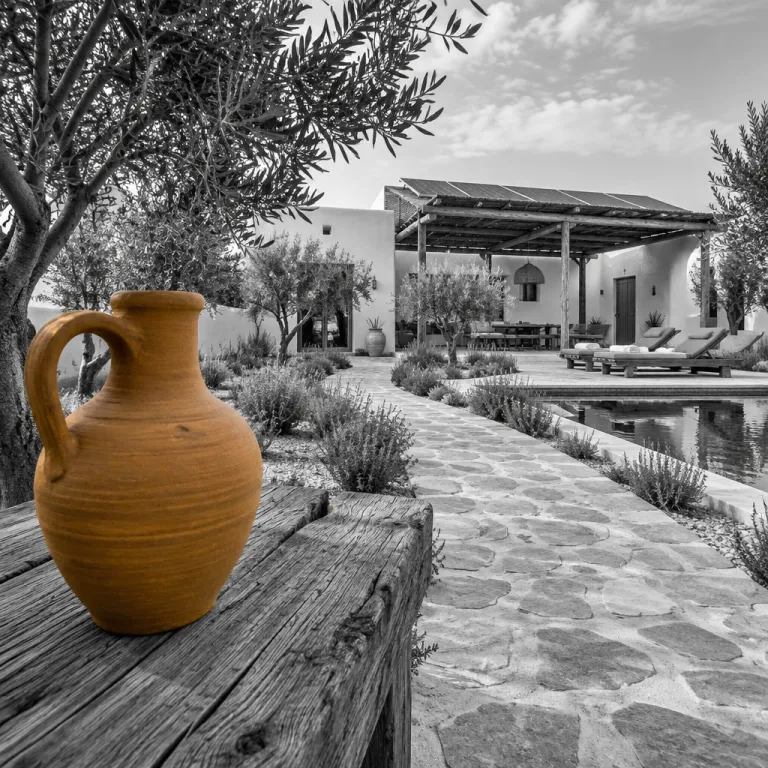
World Tourism Day as a test for sustainable tourism Tunisia
World Tourism Day lands each September like a quiet audit of promises. For travelers who care about sustainable tourism Tunisia and still want linen crisp enough for a Vatican facing suite or a Carthage view terrace, it is the moment to ask whether luxury and responsibility can finally share the same key card. The question now is how tunisia tourism, and especially the higher end of the tourism sector, will translate speeches about sustainable development into real changes that you can feel from check in to check out.
Tunisia is a country that built its reputation on sun sea breaks, yet the new conversation is about culture, local communities and long term term success rather than only resort buffets. When you plan travel that moves between Rome’s Vatican museums and Tunisian destinations such as Tunis, Djerba or Dahar, you start to see how international standards and global sustainable criteria shape what responsible tourism actually looks like on the ground. The same travelers who book a fresco lined suite near Saint Peter’s now ask whether their stay in tourism Tunisia supports social inclusion, protects fragile cultural heritage and respects standards Tunisie level environmental rules rather than quietly ignoring them.
For solo explorers, this shift is not abstract policy talk but a practical filter for every hotel search. You want an experience where sustainable tourism Tunisia is more than a line in the brochure, where the design of the property, the training of the people who welcome you and the way tour operators structure excursions all point in the same sustainable direction. World Tourism Day becomes your annual reminder to review how your own travel habits in this Mediterranean country either reinforce or challenge the tourism development model that has dominated tunisia for decades.
Inside Human First: what Tunisia actually signed up for
On 6 June, Tunisia launched Sustainable Tunisia Human First, a national initiative that tries to pull the entire tourism sector toward globally recognised sustainability standards and certification. The programme involves the Ministry of Tourism, the Tunisian National Tourist Office, the Global Sustainable Tourism Council and Booking.com, and it focuses first on pilot destinations such as Tunis, Djerba and the Dahar region where tourism development is already reshaping local communities. For anyone tracking sustainable tourism Tunisia, this coalition is a key signal that the country wants its tourism tunisia offer to compete not only on price and sun sea, but on credible sustainability.
Certification sounds dry, yet it is the difference between marketing and measurable change for international travelers. Global Sustainable Tourism Council criteria set out how hotels, tour operators and even a national tourism council should manage water, energy, waste, cultural heritage and social inclusion, and Human First aligns tunisia sustainable ambitions with those global sustainable benchmarks. When a tunisian property or excursion is audited against these standards Tunisie wide, you gain a clearer view of whether your experience supports responsible tourism or simply rebrands business as usual.
Human First also pushes development Tunisie conversations beyond coastal resorts into inland destinations where tourism handicrafts, food culture and desert landscapes are the main draw. In Dahar, for example, traditional troglodyte homes can be restored with sustainable design choices that respect local architecture while meeting international comfort standards for demanding people who travel widely. The initiative will not transform the country overnight, but it sets a framework where sustainable tourism Tunisia can guide both public investment and private term success strategies in the tourism sector.
What travelers will notice in Tunis, Djerba and Dahar
Walk through the medina of Tunis on a late September afternoon and you start to see how Human First might change your stay. Some riad style properties now brief guests on water use, offer filtered tap water instead of endless plastic bottles and highlight local communities through curated walks that focus on living culture rather than only monuments. For a traveler used to the polished discretion of a Vatican side address, this tunisian version of sustainable tourism Tunisia feels more textured, more human and ultimately more memorable.
On Djerba, where sun sea holidays once defined tunisia tourism, the most interesting places now weave sustainability into the experience without preaching. You might sleep in a whitewashed guesthouse that uses solar panels, serves breakfast built around local produce and connects you with artisans whose tourism handicrafts income depends on fair pricing rather than bus tour bargaining. In Dahar, development Tunisie projects encourage small scale lodges to adopt sustainable design, from natural ventilation to grey water systems, so that international travelers can enjoy desert silence without draining the country’s scarce resources.
Across these destinations, you will also notice more transparent communication about sustainability and responsible tourism. Some hotels publish their alignment with Global Sustainable Tourism Council criteria, others share Ministry of Tourism backed roadmaps that explain how they plan to reach higher standards over the long term. For solo explorers comparing options, this level of detail turns sustainable tourism Tunisia from a vague aspiration into a concrete filter that shapes where you sleep, who you meet and how your spending circulates among local people.
Choosing genuinely sustainable stays from Vatican to Tunis
For readers of myvaticanstay.com who might pair a Vatican stay with a Tunisian detour, the same instincts that guide you toward a refined Roman address should guide your sustainable choices further south. When you book a property such as a discreet palace near the Spanish Steps, or a refined stay like the one described in our review of Hotel Manfredi Suite in Rome for refined stays near the Spanish Steps, you already weigh design, service and location with care. Apply that same lens to sustainable tourism Tunisia by asking how each tunisian hotel manages energy, supports local communities and engages with tour operators who respect cultural and natural sites.
Look for clear references to Human First, Global Sustainable Tourism Council alignment or other recognised standards rather than vague sustainability claims. Ask whether the property works with the national tourism council or the Ministry of Tourism on training programmes that promote social inclusion, and whether their excursions prioritise responsible tourism over volume. A serious hotel will be able to explain how its operations contribute to sustainable development in the country, from sourcing food locally to supporting tourism handicrafts cooperatives that keep cultural skills alive.
There is still a gap between pledges and practice, and World Tourism Day is the right moment to keep asking difficult questions. Does the hotel track its progress over the long term, or is sustainability a one season marketing theme that fades when occupancy rises again ? Are they prepared to meet higher standards Tunisie wide as Human First expands beyond pilot destinations, or will they wait until international travelers demand change with their wallets and their reviews ? For solo travelers who value both comfort and conscience, choosing carefully now helps steer tourism tunisia toward a future where luxury and sustainable tourism Tunisia reinforce rather than undermine each other.
FAQ
How does Human First change the way I should book hotels in Tunisia ?
Human First gives you a clearer framework for judging whether a tunisian hotel or guesthouse is serious about sustainable tourism Tunisia. When booking, look for properties that mention participation in the initiative, alignment with Global Sustainable Tourism Council criteria or collaboration with the Ministry of Tourism on sustainability programmes. These signals suggest that the hotel is working within national and international standards rather than treating sustainability as a passing trend.
Are luxury hotels in Tunisia already fully sustainable ?
No, the shift toward sustainable tourism Tunisia is very much a work in progress, especially in the luxury segment. Some high end properties have invested heavily in energy efficiency, water management and support for local communities, while others are only beginning to adapt. World Tourism Day is a useful reminder to check how each hotel describes its sustainability journey and to favour those that share concrete actions and long term goals.
Which Tunisian destinations are leading on sustainability right now ?
The Human First initiative focuses first on Tunis, Djerba and the Dahar region as pilot destinations. In Tunis, you will see more attention to cultural heritage and community based experiences, while Djerba is gradually moving beyond pure sun sea tourism toward more responsible tourism models. Dahar stands out for projects that link tourism development with the preservation of traditional architecture and desert ecosystems.
What questions should I ask a hotel to check its sustainability claims ?
Ask how the hotel manages water and energy, whether it measures its environmental impact and how it supports local people through employment or partnerships with artisans and tour operators. You can also request information about any certifications linked to the Global Sustainable Tourism Council or national standards Tunisie programmes under Human First. A transparent, well prepared answer is usually a sign that sustainability is integrated into daily operations rather than handled as a marketing slogan.
Can my individual choices really influence tourism development in Tunisia ?
Individual choices matter because they signal demand for sustainable tourism Tunisia to both hotels and policymakers. When international travelers consistently choose properties and experiences that respect local communities, culture and the environment, they reward businesses that invest in sustainable development and encourage others to follow. Over time, this pressure helps align the tourism sector with the goals of Human First and supports a more balanced model of tourism tunisia that benefits the country as a whole.